Is a Pitted Windshield Covered by Car Insurance?
Pitting from road debris is typically covered under comprehensive coverage, but only if you carry it and the repair is worth the hassle.
Free to compare
What decides whether your pitting gets paid for
- Comprehensive, not liability Pitting comes from flying debris, not a collision, so it falls under comprehensive coverage. Check your declarations page to confirm you carry it before assuming anything is covered.
- Deductible versus repair cost Many pitted windshields can be repaired for less than a typical deductible. Get a repair quote first, then decide if filing a claim even makes sense financially.
- Full replacement rules vary Some insurers waive the deductible for glass repair but not full replacement. Ask your insurer directly how they split repair versus replacement coverage.
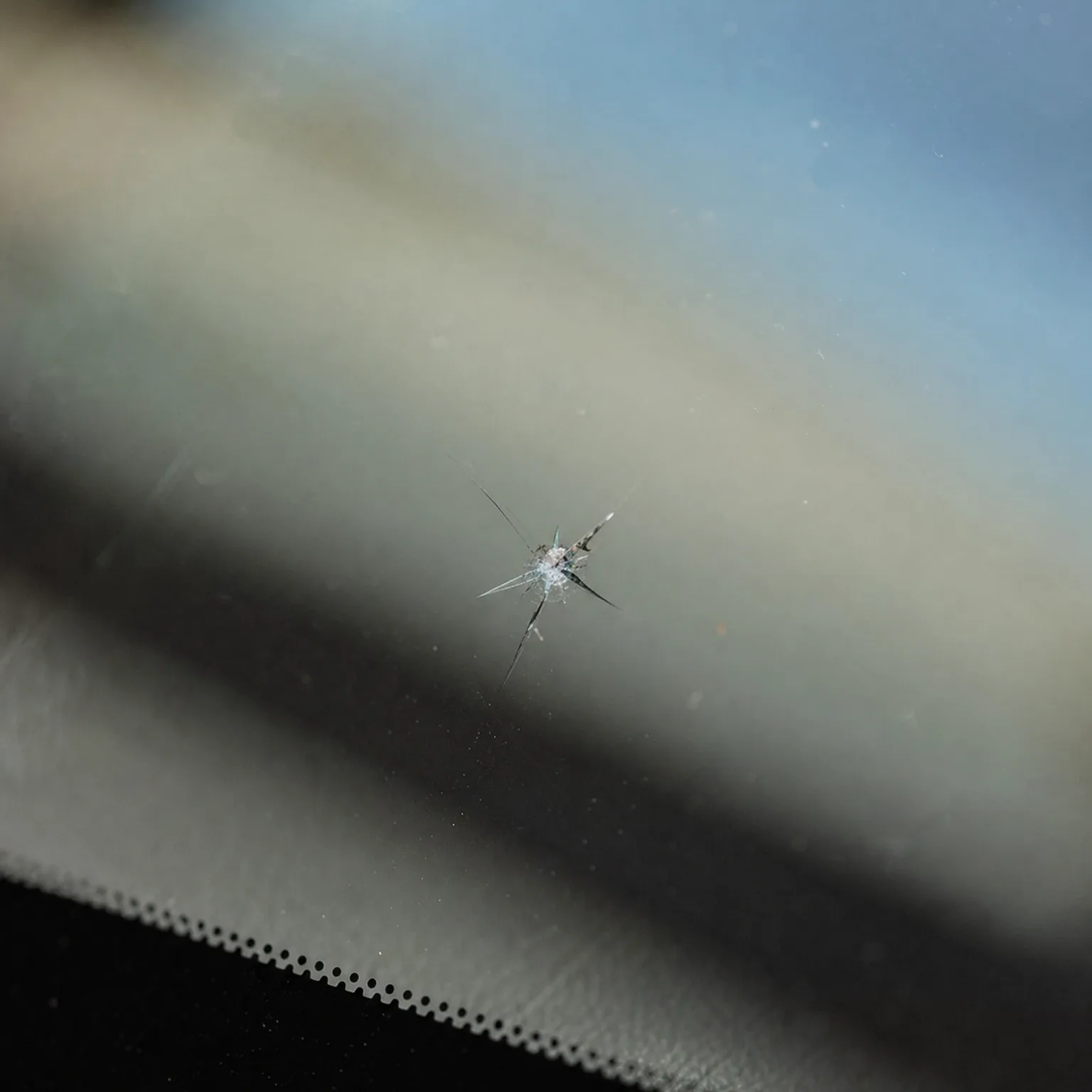
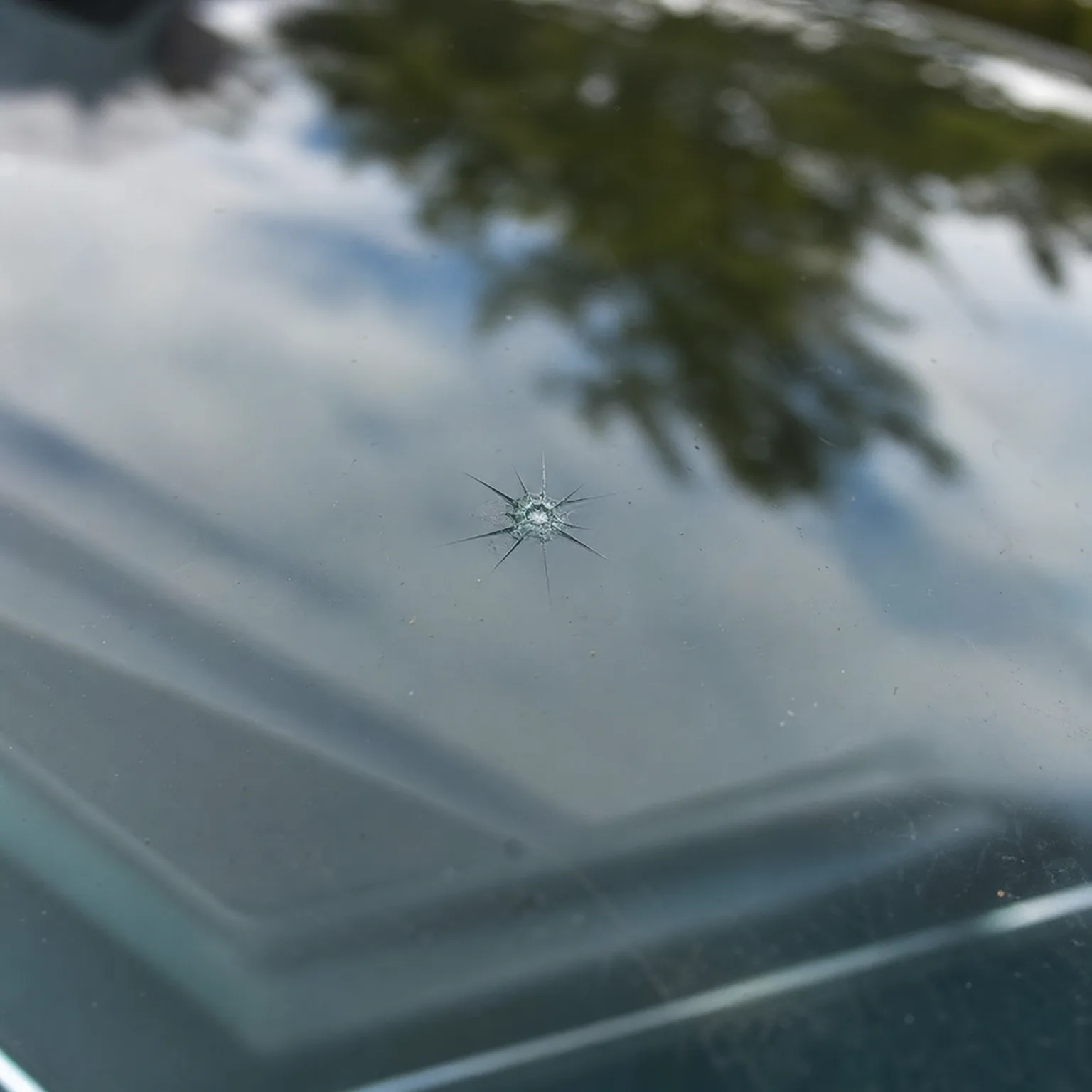
- Pitting versus cracks Insurers may treat light pitting differently than a crack or chip, sometimes calling it cosmetic and not damage. Ask your adjuster how your policy defines covered windshield damage.
- Claim history matters A glass claim can sometimes affect your record depending on the insurer and state. Ask whether a comprehensive glass claim counts against you before filing.
Will filing a windshield pitting claim raise my rate?
It depends on your insurer and your state, but comprehensive claims generally affect rates less than at-fault accidents do. Comprehensive coverage exists for exactly this kind of damage, random debris you had no way to avoid, so insurers tend to treat it more gently than collision claims.
That said, a pattern of frequent small claims can still draw attention at renewal time, even if no single claim is large. Some insurers also offer separate glass coverage with no deductible, which can make sense for someone who drives routes with lots of debris.
Before filing, ask your insurer directly how they handle glass claims and whether it affects your pricing tier. If the repair cost is close to your deductible anyway, paying out of pocket avoids the question completely.

The real decision isn't whether it's covered. It's whether filing is worth it.
Once you know how your policy treats glass damage, compare quotes to see which insurers handle it best.
A commuter with pitting from a gravel road
You drive a stretch of gravel road every day for work, and over a year the windshield picks up a scattering of small pits. None of them are cracks, but the glass looks hazy and catches glare at night. You start wondering whether it is worth doing anything about it or just living with it.
You check your policy and find you carry comprehensive coverage with a moderate deductible. You get a repair quote and it comes in lower than the deductible, so filing a claim would not save you money. You pay out of pocket for a glass treatment that improves clarity, skip the claim, and keep your record free of any glass-related entries. A few months later you call your insurer anyway to ask about adding separate glass coverage, since your commute makes this a recurring issue, and switch to a policy that handles it better going forward.
Why pitting falls under comprehensive and not automatic coverage
Car insurance treats damage based on cause, not appearance. Comprehensive coverage exists for damage that happens to your car when you are not driving into anything, hail, falling branches, and flying road debris included. Pitting almost always comes from gravel or debris kicked up by other vehicles, which puts it squarely in that category rather than collision coverage.
But having comprehensive coverage does not mean every bit of pitting gets paid for automatically. Insurers distinguish between damage that impairs visibility or safety and damage that is purely cosmetic. Heavy pitting that affects your view through the glass is more likely to be treated as covered damage. Light, scattered pitting that only affects appearance may be called cosmetic by some insurers, which changes the outcome entirely.
The deductible is often the real deciding factor, more than the coverage itself. If your repair cost is lower than your deductible, there is no financial reason to file a claim even if the damage is technically covered. This is why so many people with pitting never file anything at all, not because insurance does not apply, but because the math does not favor it.
State rules and insurer policies both shape the details here. Some states require insurers to waive deductibles for windshield repair specifically, though not necessarily replacement. Your insurer's handling of glass claims, their effect on your record, and whether separate glass coverage is available are all things you need to ask about directly, since none of it is standardized across the board.
Does windshield pitting count as pre-existing damage for insurance?
It can, if it was there before your policy started or before a specific claim period. Insurers may ask when the damage occurred, especially if you are filing soon after switching policies. Take photos of your windshield when you start a new policy so you have a record. If the pitting developed gradually over months you've been insured, that history works in your favor.
Can I get a full windshield replacement instead of a repair for pitting?
Sometimes, but insurers usually prefer repair when the damage doesn't impair safety or visibility significantly. Replacement costs more, so insurers will often push for repair first unless the glass is too compromised to fix. Ask your insurer what their threshold is for approving a full replacement over a repair, since this varies by company and by how severe the pitting looks.
Does a glass claim affect my insurance score or future rates?
It can in some cases, though usually less than an at-fault accident would. Some insurers treat comprehensive claims, including glass, as lower risk, but frequent small claims can still flag your account at renewal. Ask your insurer directly how they weigh comprehensive claims before filing, especially if you've filed similar claims recently.