Do Comprehensive Claims Raise Car Insurance Rates
A comprehensive claim can raise your rate, but usually by less than an at-fault accident would, and sometimes not at all.

What actually decides if your rate moves
- Fault doesn't apply here Comprehensive covers things like weather, theft, and animal strikes, where you're not at fault. Insurers weigh these differently than accidents you caused, so expect a smaller impact if any.
- Your claim history matters more One comprehensive claim rarely moves the needle much. A second or third claim in a short window signals risk to the insurer and makes a rate increase far more likely.
- Your state sets some limits Some states restrict surcharges for comprehensive claims or ban them for certain causes like glass repair. Check your state's rules or ask your agent directly.
- Your insurer's policy varies Not every insurer treats comprehensive claims the same way. Some forgive the first claim, others price it into your next renewal. Ask before you file if you're unsure.
- The claim size plays a role A small glass claim is treated differently than a total loss from flooding or theft. Larger payouts are more likely to show up in your renewal pricing.

A deer strike and a renewal six months later
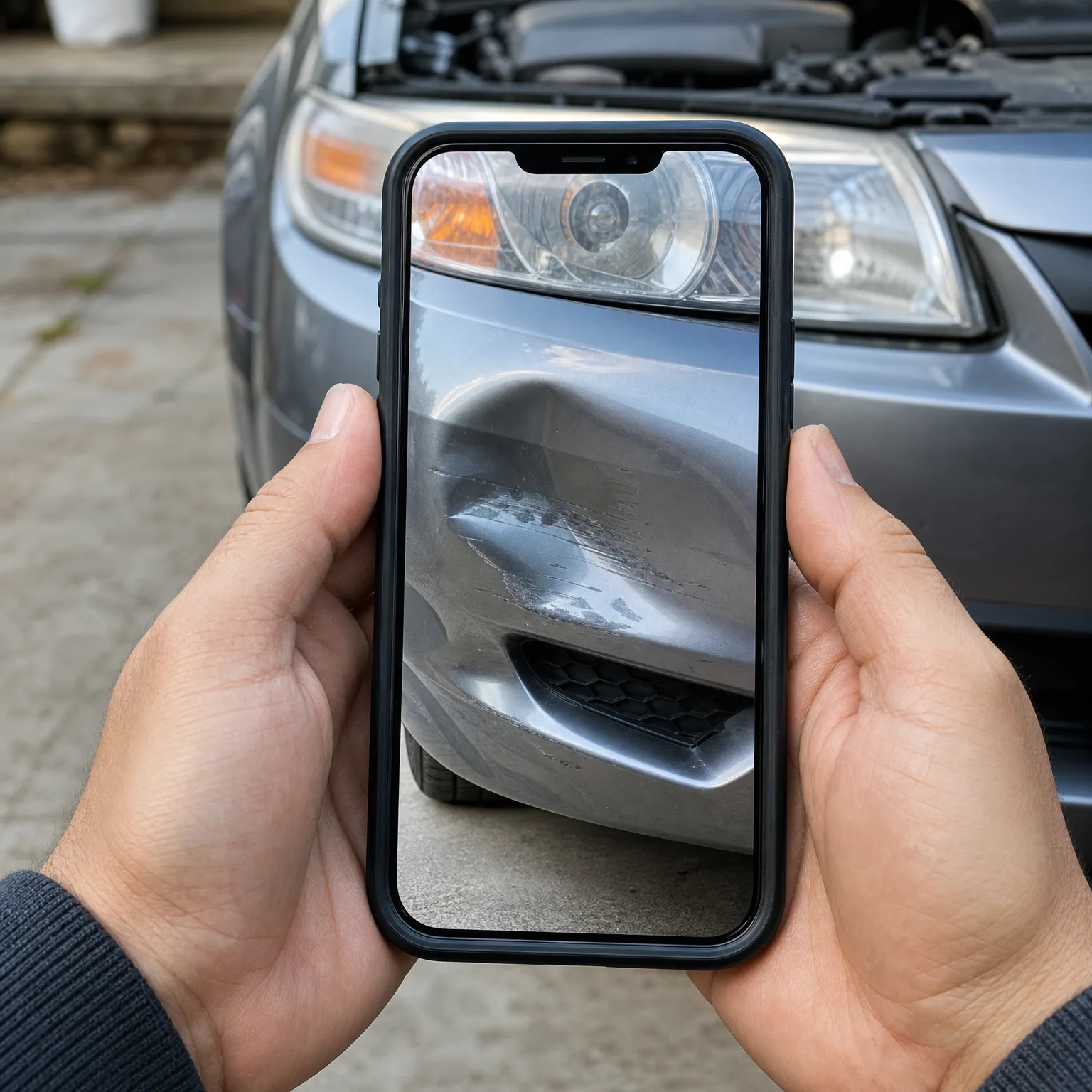
You're driving home at dusk and a deer runs into the road. You can't avoid it, and the front end of your car is damaged. You file a comprehensive claim because this is exactly what it's for, and the insurer pays out for repairs after your deductible. You don't think much more about it until renewal time arrives.
When your new rate comes in, it's close to what you paid before, maybe a little higher, maybe unchanged. The insurer looked at the claim and saw a single, no-fault event with no pattern behind it. If this had been your second animal strike in two years, the outcome likely would have been different, with a real increase reflecting the repeated risk. Because it stood alone, it barely registered. You compare quotes anyway, since rates shift for reasons beyond your claims, and find one insurer pricing you noticeably lower than your current one for the same coverage.
Will filing a comprehensive claim count against me later?
It can, but mainly if it's part of a pattern rather than a one-time event. Insurers keep a multi-year claims history on file, and when they price your renewal they're looking at frequency as much as cause. One comprehensive claim sitting alone in that history usually reads as bad luck. Two or three start to read as risk.
The other thing that counts against you later isn't the claim itself, it's shopping around less because you assume your rate is fixed. A claim on your record doesn't lock you into your current insurer's pricing. Different companies weigh the same claims history differently, so what raises your rate with one insurer might barely affect you with another.
Compare quotes now that you know how your claim is likely to be priced, since insurers won't all treat it the same way.

Whether you file the comprehensive claim
If you do
You get the damage paid for, minus your deductible, and the claim goes on your history. If it's an isolated event, your renewal likely stays close to what it was. If you already have other claims, expect a real conversation with your agent about pricing.
If you don't
You pay for repairs yourself, which protects your claims history completely. For smaller damage near your deductible amount, this often costs about the same as filing, with the benefit of no claim on record for insurers to weigh later.
Why comprehensive claims are priced differently
Insurers build their pricing around predicting future risk, not punishing past events. An at-fault accident tells them something about your driving behavior, which is a strong predictor of future claims. A comprehensive claim, by contrast, often reflects circumstances outside your control, like weather, theft, or wildlife. Since it says less about how you drive, it typically carries less weight in their pricing models.
That said, insurers aren't ignoring comprehensive claims entirely. They're looking for patterns. Someone who files one weather-related claim in a decade looks very different from someone who files three in two years, even though both are technically no-fault. Repeated claims suggest either unusual exposure, like parking in a flood-prone area, or behavior that increases risk, like leaving a car unlocked in a high-theft neighborhood. The insurer's job is to figure out which story your claims history is telling.
State rules add another layer. Some states limit how much insurers can factor in certain comprehensive claims, particularly glass repair or windshield replacement, treating them as routine maintenance rather than risk indicators. Other states give insurers more freedom to price however they see fit. This is worth checking directly, since it changes how much a single claim might actually cost you at renewal.
Finally, remember that your current insurer's reaction to a claim isn't universal. Pricing models differ enough between companies that the same claims history can lead to very different renewal offers. If your rate jumps after a comprehensive claim, that's information about how one insurer prices risk, not a verdict on what you'll pay everywhere.