Whose Insurance Pays if I Crash Someone Elses Car
In almost every state, the car's own insurance pays first, and your policy only steps in if the damage goes beyond that.
What decides who pays after you crash their car
- The car's policy pays first Insurance follows the vehicle, not the driver, in most states. The owner's insurer handles the claim first, so check what coverage they carry before you assume anything.
- Your policy can back it up If the owner's limits run out or they lack certain coverage, your own insurance may pay the rest. This is why keeping your own policy active still matters, even if you rarely drive your own car.
- Permission matters a lot Coverage usually depends on whether you had the owner's okay to drive. Always confirm you were given permission, because driving without it can change who pays or whether anyone does.
- Your record can still take a hit Even when the other policy pays, the accident can still show up on your driving history. Ask your own insurer how an at-fault accident in someone else's car affects your future rates.
- State rules on this vary Some states follow the car, others blend in the driver's policy differently. Check your state's rule before you assume the same outcome applies everywhere.

The short version
The car's insurance usually pays first, since coverage follows the vehicle in most states. Your own policy can help cover anything left over. Before you drive someone else's car again, confirm you have permission and ask your insurer how it would respond if asked to help.
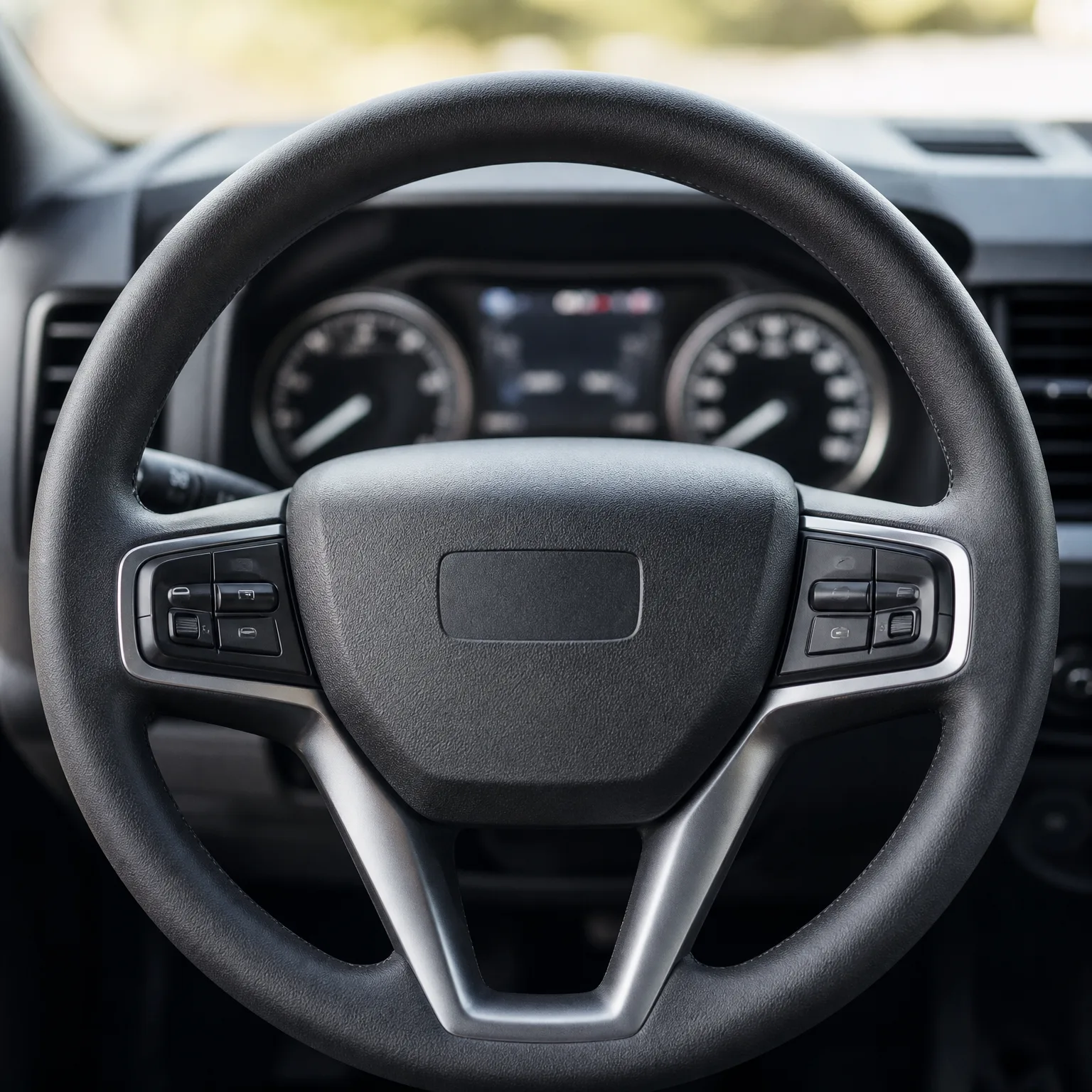
Borrowing a friend's car for the weekend
You borrow a friend's car to move some furniture and get into a fender bender at a stop sign. Your friend's insurance is the first call, since it's their car and their policy that's primarily on the hook. You give them your information so they can file the claim, and their insurer opens an investigation into the accident.
The repair costs end up higher than your friend's liability limits, so the adjuster asks for your insurance information. Your own policy picks up the remaining balance, since you had permission to drive the car and your coverage can extend to that situation. The claim closes without a lawsuit, but the accident still appears on your driving record because you were the one behind the wheel. A few months later, your own premium rises slightly at renewal, a reminder that even when someone else's policy pays, your history still carries the event.
Now you know whose policy pays first, so compare quotes to make sure yours can back you up.

Should you double check the owner's coverage before driving
If you do
You ask the owner what coverage they carry and confirm they're okay with you driving. If something happens, you already know who to call first and what to expect. You avoid confusion in the moment and can tell your own insurer exactly what happened without guessing.
If you don't
You get behind the wheel without knowing what's covered or whether you truly had permission. If a crash happens, you may find out the owner carries low limits or lapsed coverage, leaving you responsible for far more. Confusion over permission can also delay or complicate the claim.
Does my insurance rate go up if I crash a car that isn't mine?
Yes, it can. Even though the car's own policy usually pays first, the accident still goes on your driving record because you were driving. Insurers look at who was behind the wheel when they set future rates, not just whose policy paid. Check with your own insurer about how an at-fault accident in someone else's car factors into your history. If you rarely borrow cars, the impact may be smaller, but a pattern of accidents in other people's vehicles can still raise your own premium over time.
What happens if the car owner has no insurance at all?
Then your own policy likely becomes the primary coverage for the accident. Without the owner's insurance to respond first, your insurer may have to cover both your liability and any damage, depending on your coverage types. This is a good reason to ask before driving someone else's car, not after. If you don't carry comprehensive or collision coverage yourself, you could end up paying out of pocket for vehicle damage. Always confirm the owner has active insurance before agreeing to drive their car regularly.
Am I covered if I didn't have permission to drive the car?
Usually not, and this is one of the biggest risks in these situations. Insurance for borrowed cars generally assumes the driver had the owner's consent, so driving without it can void coverage entirely. If a crash happens and permission is disputed, both insurers may deny the claim while it's investigated. Always get clear, ideally spoken out loud in front of the owner, permission before driving, especially if it's a car you don't usually use. This single detail can decide whether anyone's policy pays at all.
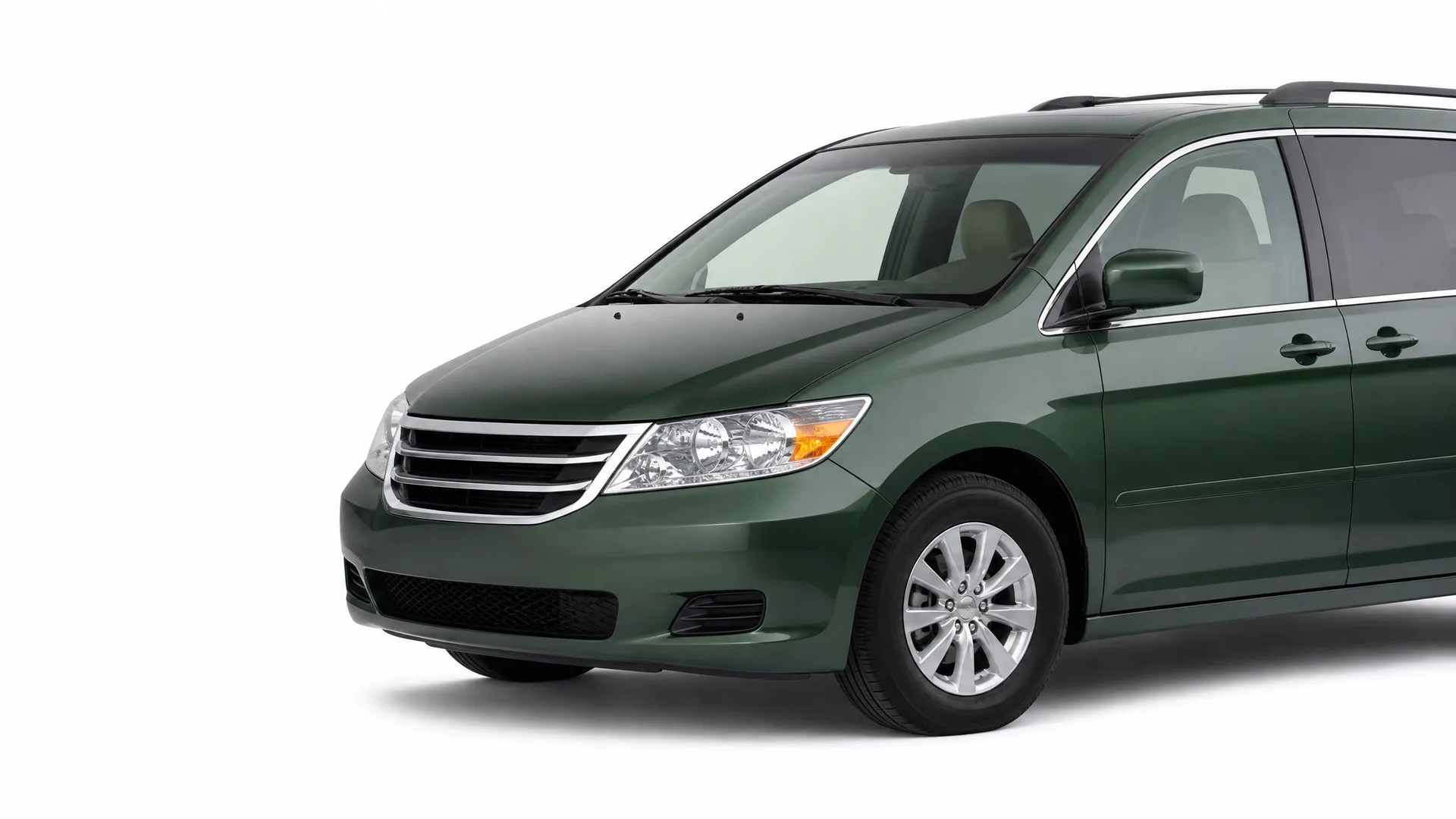
The car decides who pays first, not who's driving, so check its coverage before you start the engine.