Who Is Usually at Fault if a Car Hits the Back of You
The driver who hits you from behind is almost always the one held at fault.
What decides fault after a rear-end crash
- Following distance rule Drivers are expected to leave enough room to stop safely behind you. If they couldn't, that's usually treated as their failure, not yours.
- Sudden stops can shift blame If you stopped abruptly for no real reason, you might share some fault. Keep in mind this only matters if there's evidence you had no safety reason to stop.
- Chain reaction crashes When three or more cars are involved, fault can split across multiple drivers. Get a police report so each role gets recorded accurately.
- Brake lights and signals matter If your brake lights were out, you could be partly responsible. Check your lights regularly so this can't be used against you.
- State rules on shared fault vary Some states reduce your payout if you're partly at fault, others block it entirely. Check your state's rule before assuming you'll be fully covered.
A driver who stopped short at a yellow light
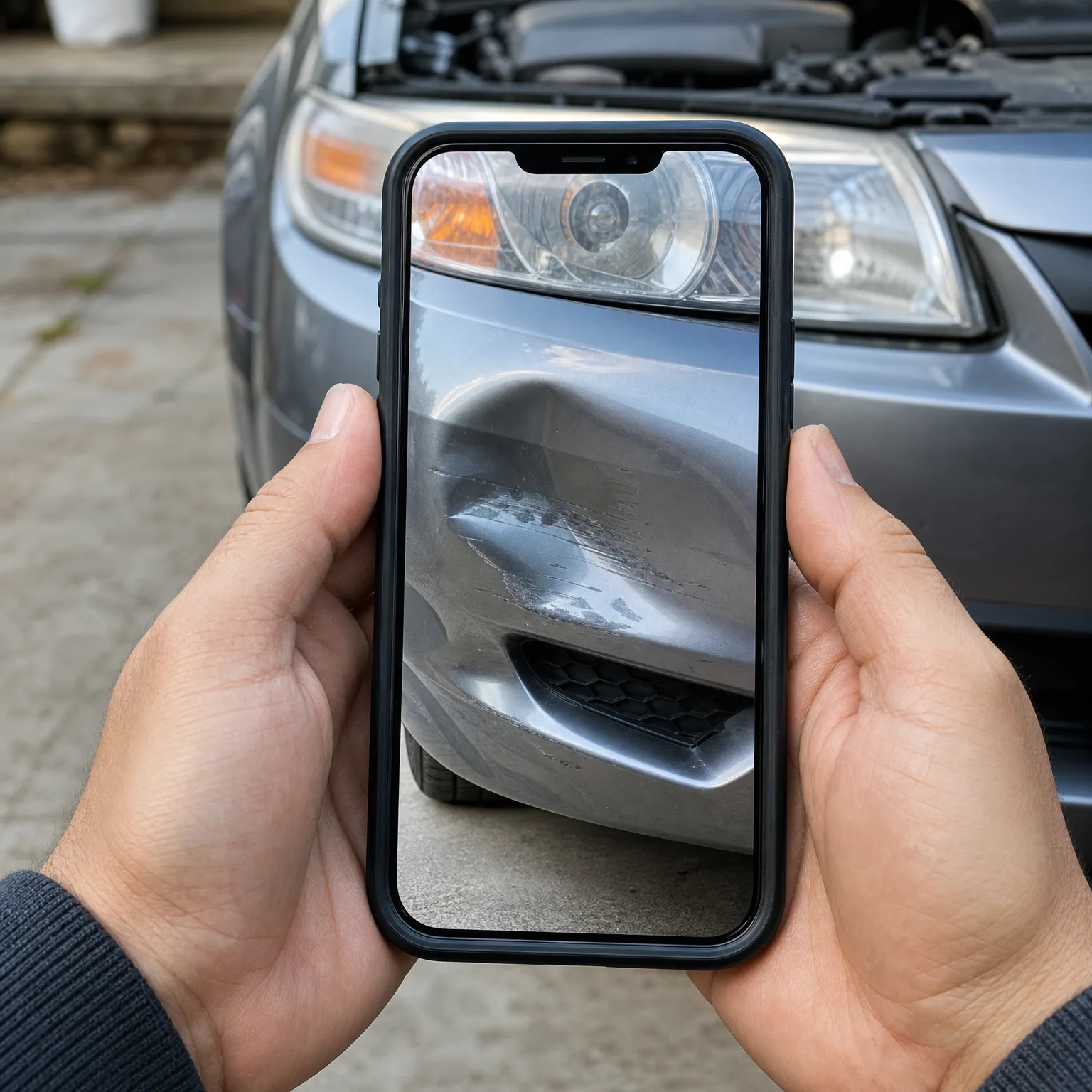
You were driving home and the light ahead turned yellow. You stopped in time, but the driver behind you was following closely while checking a GPS and rear-ended you. There was visible damage to your bumper and their front end, and no skid marks from your car. The police officer who arrived took statements from both of you and a witness in the next lane confirmed you hadn't stopped unexpectedly.
The officer's report named the other driver at fault for following too closely, which matched the physical evidence. Their insurer accepted liability within a few days once the report came through, and your claim moved forward without you needing to argue your case. The whole process took less time than you expected, mostly because the documentation was clear from the start. Your rates stayed the same since you weren't found responsible for the crash.
Will my insurance rates go up if I'm rear-ended and not at fault?
Usually not, as long as the other driver is clearly found at fault and their insurance pays for the damage. Insurers generally don't raise rates for accidents you didn't cause, since rate increases are tied to fault, not just involvement in a crash.
The exception comes in if fault is disputed or split between both drivers. If your state allows shared fault and you're assigned even partial responsibility, your own insurer might treat it differently when your policy renews. This is also more likely if you filed the claim through your own insurance instead of the other driver's. Checking how your state handles shared fault, and confirming who the claim was filed against, will tell you whether this applies to you.
Once you know how fault works in a rear-end crash, compare quotes to see how a clean record keeps your rate that way.

Why the driver behind almost always carries the blame
The logic behind this rule is simple. Every driver is expected to maintain enough distance and attention to stop safely for the car ahead, no matter what that car does. Braking, even hard or unexpected braking, is considered a normal part of driving that following drivers must anticipate.
This is why the rear driver carries the presumption of fault from the start. It's not that the front driver is assumed innocent no matter what, it's that the law places the responsibility for safe stopping distance on whoever is behind. That default can be challenged, but it takes real evidence to shift it.
The cases where it works out differently usually involve proof that the front driver did something outside normal expectations, like reversing suddenly or stopping for no reason at all when there was no hazard present. Broken brake lights are another common exception, since they remove the following driver's ability to react in time. Multi-car pileups complicate things further because fault can be distributed across several drivers depending on who hit whom and why.
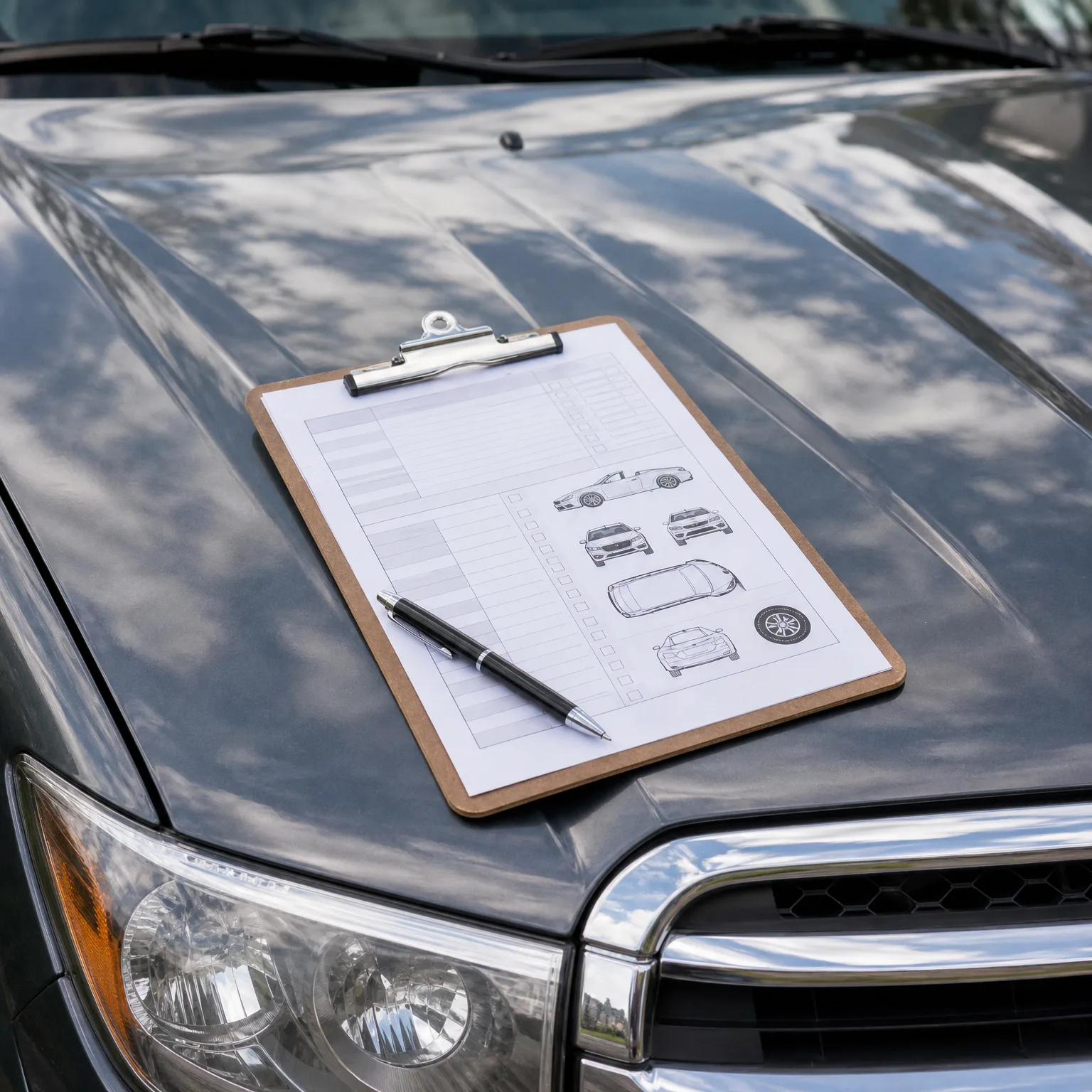
What matters most in any of these situations is documentation. A police report, witness statements, and photos of the damage and road conditions all help establish what actually happened. Insurers rely heavily on this evidence when deciding how to assign fault, especially in cases where the default assumption is being challenged.
Being rear-ended doesn't protect you automatically, good evidence is what makes that default fault rule hold.