What to Do if Someone Is Lying About an Insurance Claim
Document everything in writing and report the dishonesty to your insurer or state fraud bureau, and let the evidence settle it.
Why the paper trail beats the argument every time
Insurance claims aren't decided by who sounds more convincing. They're decided by evidence, so the moment you suspect someone is lying, your job shifts from being right to being documented. Adjusters see conflicting stories constantly and they're trained to weigh physical evidence, timestamps, and independent witnesses over anyone's version of events, including yours.
This is why photos, police reports, and written statements taken close to the incident carry so much weight. Memory shifts, and so do stories that aren't true to begin with. A lie told once can be repeated with confidence, but it rarely survives contact with a timestamped photo or a traffic camera. The earlier you lock in facts, the less room there is for the story to change later.
What varies is how far you can push this yourself. Some states have accessible fraud bureaus that investigate misrepresentation aggressively, others leave it mostly to the insurer's internal investigators. Some policies give adjusters more authority to deny a claim outright when fraud is suspected, others require more formal proof. Check with your state's department of insurance to see what reporting options exist where you live.
There are also cases where it isn't deliberate lying at all. People misremember speeds, distances, and who had the right of way without meaning to deceive anyone. The adjuster's job includes sorting out honest confusion from intentional dishonesty, which is part of why your documentation matters so much. It gives them something solid to sort the truth from the noise.

The short version
Write down what happened while it's fresh, gather photos, witness contacts, and any official reports, and give all of it to the insurer in writing. Don't confront the person directly or try to argue them into the truth. Let the claims investigator and the evidence settle it.
A rear-end collision where the other driver changed their story
You're stopped at a light and get rear-ended. The other driver admits fault at the scene, apologizes, and even helps you move your car to the shoulder. Two days later, their insurer calls to say their driver claims you backed into them. You're caught off guard because nothing about that matches what happened or what was said at the scene.
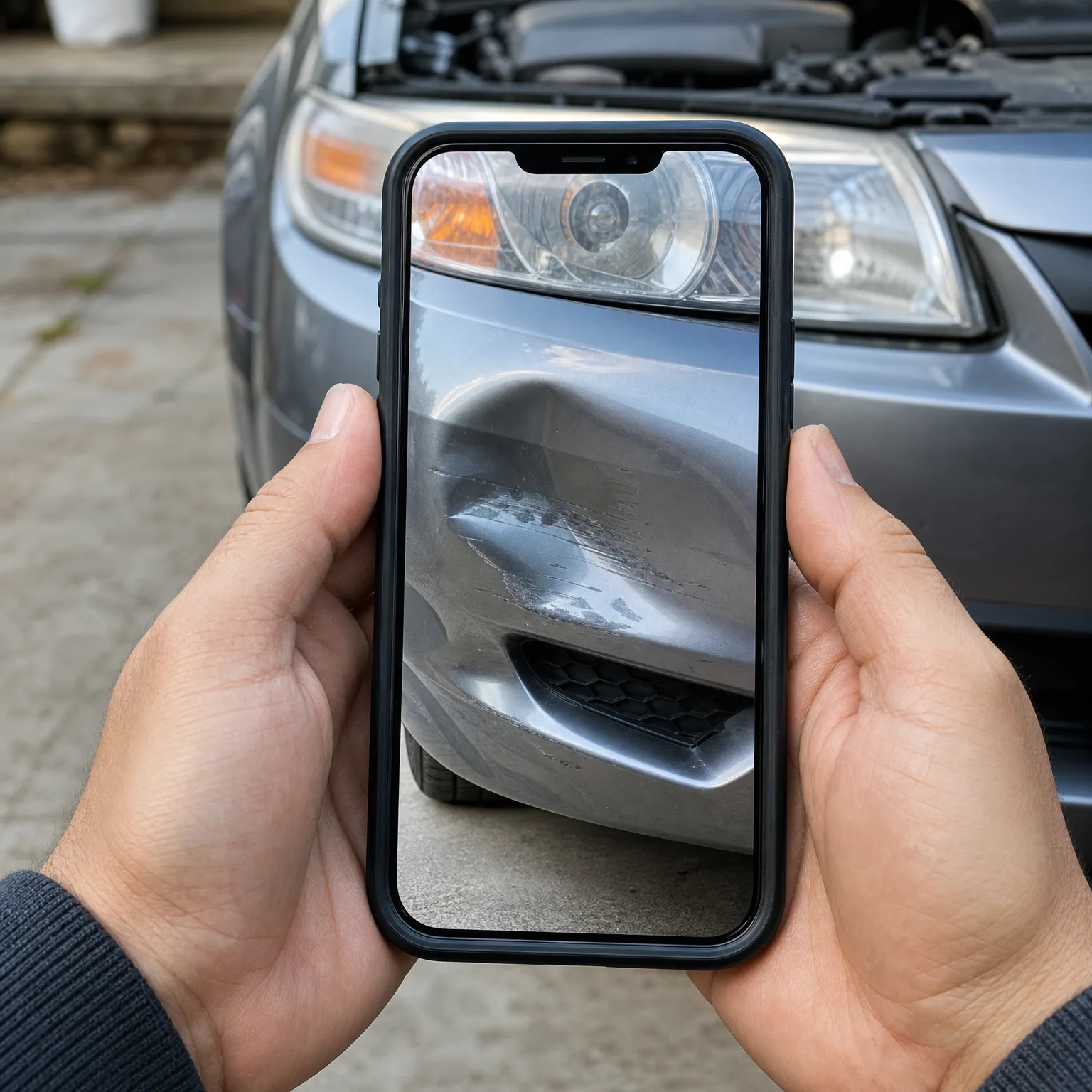
You pull up the photos you took right after the crash, showing the damage pattern that only makes sense if you were hit from behind. You also remember a pedestrian who stopped to ask if you were okay, and you'd exchanged numbers in case you needed a witness later. You send the photos and the witness contact to your insurer in writing and ask them to note the contradiction in the file. The investigator interviews the witness, reviews the damage pattern, and the other driver's insurer ultimately accepts fault. The claim moves forward on your side without you ever having to argue directly with the other driver again.
Knowing how to document and report a dishonest claim, you can now compare quotes with more confidence.

Reporting the dishonesty versus letting it slide
If you do
You create a record the investigator can act on. Your insurer can escalate to a fraud bureau if needed, request additional evidence, and defend your account with something concrete. Claims resolve faster when there's a clear trail instead of two competing memories with nothing to settle them.
If you don't
The claim gets decided on whoever's story the adjuster finds more complete. Without documentation or a formal report, a false version can stand unchallenged, costing you the claim, raising your rates, or leaving fault assigned to you for something that wasn't your doing.

What to do right now if you suspect a lie
- Write it down immediately Record what happened while details are fresh, including times, locations, and exact words used. A same-day account carries more weight than a recollection written weeks later.
- Collect independent evidence Photos, dashcam footage, traffic camera requests, and witness contacts matter more than your word against theirs. Gather everything you can before memories or footage disappear.
- Report it in writing Call, but also follow up in an email or written statement so there's a timestamped record. Ask them to note the discrepancy formally in the claim file.
- Don't confront them directly Arguing rarely changes a false story and can complicate the investigation. Let the claims adjuster or investigator handle the confrontation professionally.
- Ask about a fraud bureau Some states let you file a formal fraud complaint separate from the insurance claim itself. Check your state's department of insurance to see if this applies to you.
What happens if the insurer believes the other person instead of you?
If the adjuster sides with the other person, you can still appeal the decision, request a supervisor review, or ask for the claim to be reconsidered with new evidence. Insurers make mistakes, especially early on when they're working with incomplete information, so a denial isn't always final. Submit anything you didn't include the first time, like additional witness statements or footage that surfaces later.
If internal appeals don't work, you can file a complaint with your state's department of insurance, which can review whether the claim was handled fairly. In serious cases involving clear fraud, you can also pursue it through small claims court or hire an attorney, particularly if the financial stakes are high. None of this is quick, but documentation you gathered early becomes exactly what makes a later appeal possible.