What Ruins a Clean Driving Record
At-fault accidents, moving violations, and license actions ruin a clean record, and each stays on file for years.

These are the things that actually end a clean record
- At-fault accidents Any accident where you're found responsible counts against you, even a small one. Check your claim report to see how it was coded, since a wrong fault call can sometimes be appealed.
- Moving violations Speeding, running a light, illegal turns, these go on your driving record through the state, not just your insurance file. Fight tickets that seem wrong, since even one can follow you for years.
- License suspensions A suspension for any reason, including unpaid tickets or too many points, flags your record hard. Clear the underlying issue fast and ask your state how long the suspension itself stays visible.
- DUI or reckless charges These are the most serious marks and usually mean years of higher cost no matter who you insure with. Talk to a lawyer if you're charged, since the outcome of the case affects how it's recorded.
- Too many small claims Filing several minor claims in a short span can mark you as high-risk even without fault. Pay out of pocket for small repairs when you can, and save claims for real losses.

A fender bender that followed someone for three years
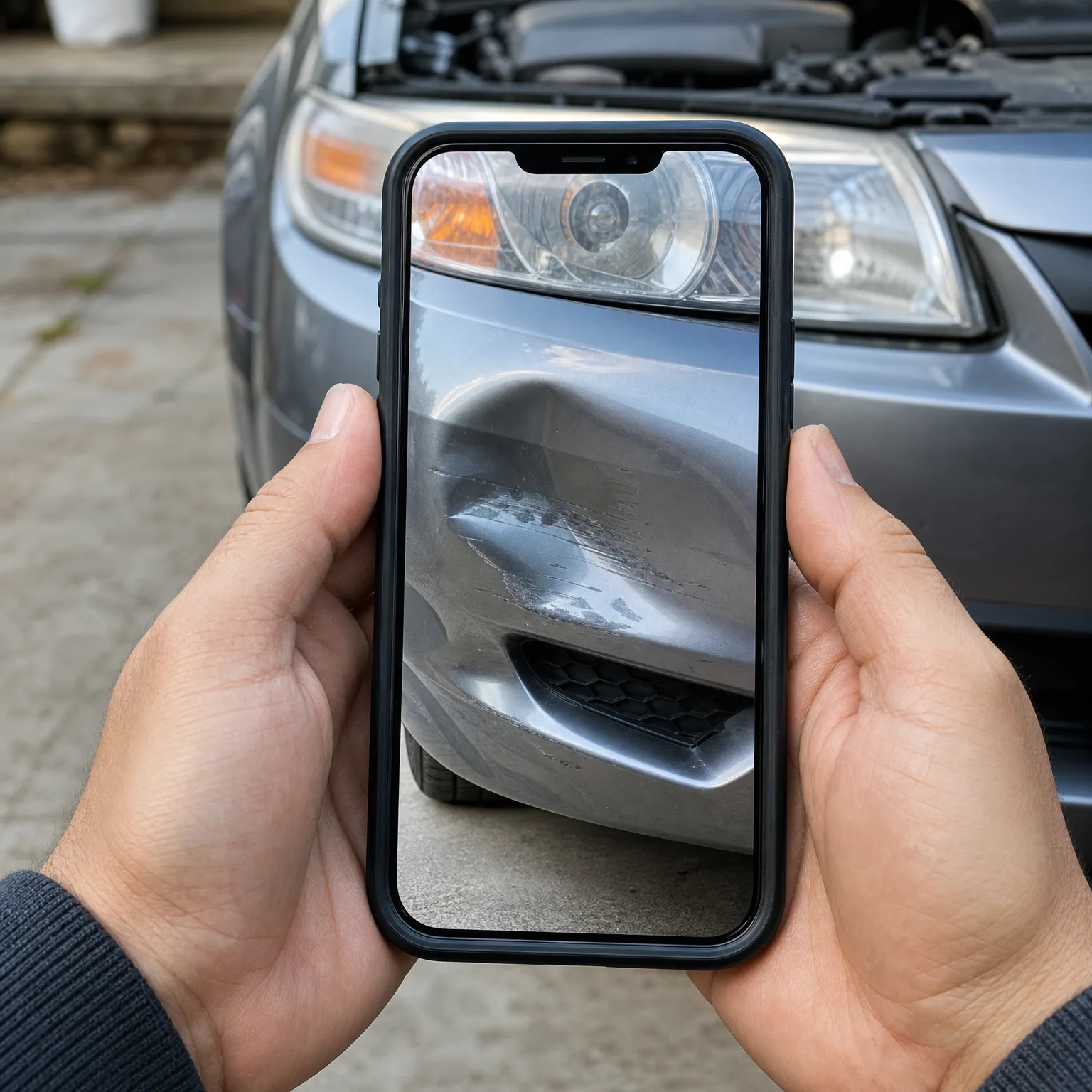
A driver backed into a parked car in a lot and filed a claim to cover the damage. It was a slow speed hit, nobody disputed what happened, and the claim was paid out quickly. The driver assumed that because it was minor and resolved without argument, it wouldn't matter much going forward.
At renewal, the policy went up, and it stayed up through two more renewal cycles because the accident was coded as at-fault and stayed on the record for the period insurers in that state typically look back. The driver checked with the state's licensing agency and learned the violation itself clears faster than the insurance lookback does, so even once it dropped from one, it was still visible to insurers through the other. Switching insurers didn't erase it, since new insurers pull the same history. The only thing that actually helped was time and a clean stretch afterward, which eventually brought the rate back down.

Whether you contest a violation before it's finalized
If you do
You get a chance to argue fault, reduce the charge, or get it dismissed, which can keep it off your record entirely. It takes time and sometimes a court date, but a successful contest means insurers never see it and your rate never reflects it.
If you don't
The ticket or fault determination goes on record as written, even if you felt it wasn't fair or was overstated. Your insurer will see it at your next renewal and price accordingly, and you'll carry it for whatever lookback period applies in your state.
Once you know what's actually on your record, compare quotes to see how insurers are pricing it right now.
Why insurers treat some marks as risk and others as noise
Insurers are trying to predict how likely you are to file another claim, and they lean on the clearest signal they have, which is what you've already done behind the wheel. An at-fault accident or a moving violation is direct evidence of risk, so it carries more weight than something incidental. A claim where you weren't at fault, like being rear-ended, usually doesn't hurt you the same way, because it doesn't say anything about your driving.
How long these marks matter depends on the state and the insurer. States set rules for how long a violation stays on your official driving record, and insurers separately decide how far back they look when pricing a policy. Those two windows don't always match, so something can disappear from one and still show up on the other. Check both with your state's licensing agency and ask any insurer directly what their lookback period is.
Severity matters as much as frequency. A single serious violation, like a DUI, can outweigh years of otherwise clean driving, while several minor issues close together can add up to a similar effect. Insurers are also inconsistent with each other. One company might weigh an old speeding ticket heavily while another barely blinks at it, which is why the same record can produce very different quotes.
The exception that trips people up is claims where fault is disputed or unclear. Depending on the state and the circumstances, these can sometimes be argued down or recoded after the fact, which changes how they're treated going forward even though the event itself already happened.

How long does an accident stay on your insurance record?
It depends on your state and your insurer, since each sets its own lookback period separately from how long a violation stays on your official driving record. Many insurers look back several years when pricing a renewal. Ask your insurer directly what their window is, and check with your state's licensing agency for how long the accident stays on your official record, since the two timelines often differ and both affect you.
Does a not-at-fault accident affect your insurance rate?
Usually not much, since insurers are mainly pricing based on evidence that you're a risky driver, and a not-at-fault claim doesn't show that. Some insurers do weigh frequency of claims regardless of fault, so filing several in a short period can still raise flags. Check your policy or ask your insurer directly whether they treat not-at-fault claims differently, since this varies by company.
Can you get a violation removed from your driving record?
Sometimes, depending on your state and the type of violation, through traffic school, a formal appeal, or simply waiting out the record's natural expiration. Contesting a ticket before it's finalized is usually the strongest option, since a dismissal means it never gets recorded at all. Check with your state's licensing agency for what removal options exist where you live, since rules vary widely.