What Qualifies as Proof of Garaging Address
Insurers want documents showing where the car is actually kept overnight, not just the address on your license.
Why insurers want this and what satisfies them
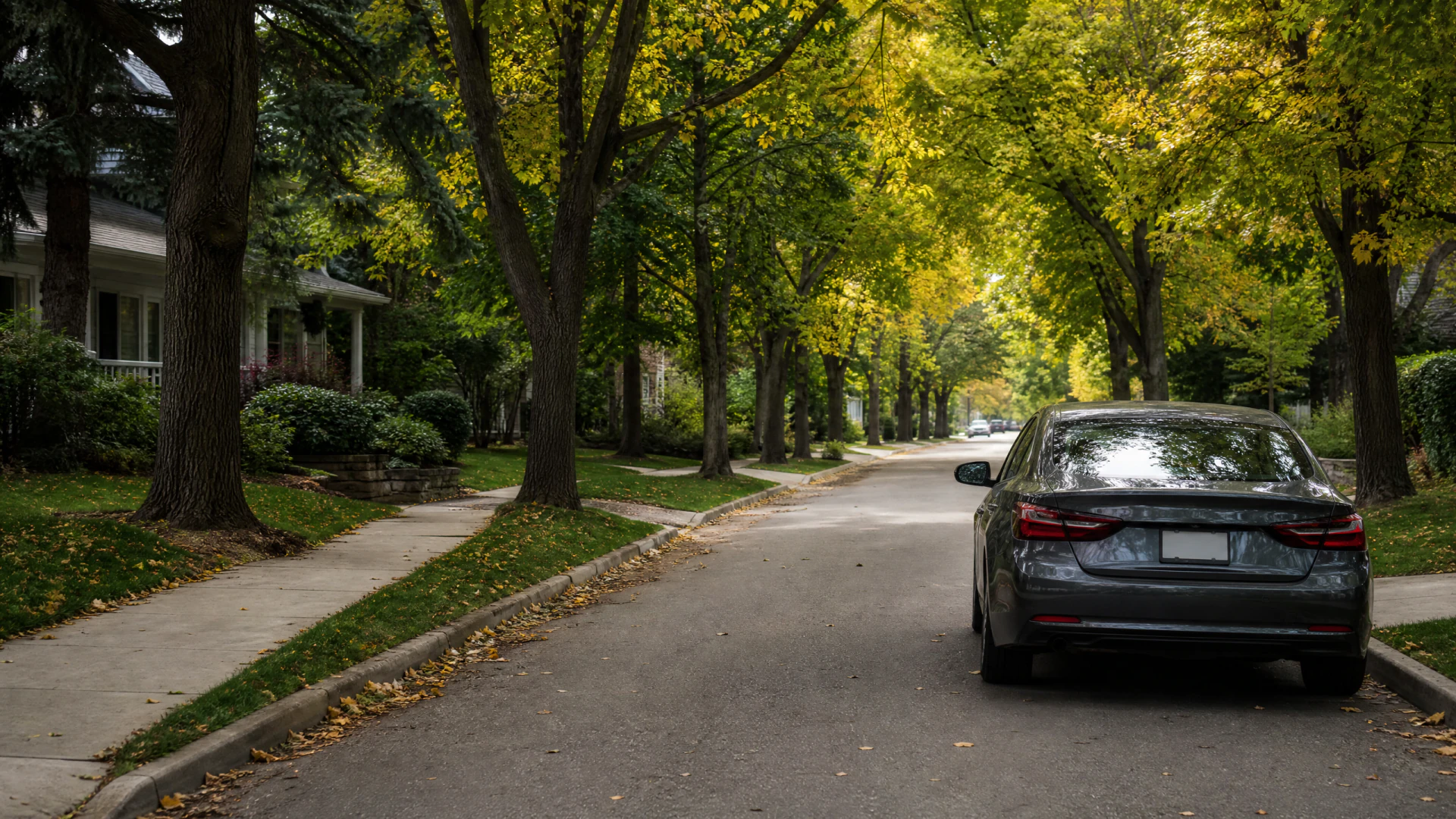
Garaging address is the place your car spends most nights, and insurers price your policy around that location because theft rates, accident rates, and weather all vary by area. They are not asking where you live in a legal sense, they are asking where the car physically sits, which is usually the same place but not always.
Because of that, proof of garaging leans on documents that tie the car to a place over time, not documents that just state your identity. A piece of mail addressed to you at that address, a utility bill, a lease or mortgage statement, or a vehicle registration showing that address all work because they show a pattern, not a single moment.
What an insurer will actually accept varies by company and sometimes by state, especially when the car is garaged somewhere different from where the owner is licensed, like a student away at school or a car kept at a second home. Some insurers want several documents, others take one. Call and ask what they need before you submit anything, so you don't send the wrong thing twice.
The cases that get complicated are the ones where the address on your license, your registration, and your actual garaging spot don't all match. That's common and usually fine, but it's exactly when insurers ask for proof, because mismatches are also how people try to get a cheaper rate by claiming a car lives somewhere it doesn't.
What usually counts as proof
- Utility bill A recent bill in your name at the garaging address shows you have an ongoing connection to that place. Keep one on hand even if no one has asked yet.
- Lease or mortgage statement This shows you have a legal right to keep a car at that address. Use the most recent statement you have, not an old one.
- Vehicle registration If your registration already lists the garaging address, it often settles the question by itself. Check that the address on file is current before you're asked.
- Piece of addressed mail Bank statements or official letters sent to you at that address can work when stronger documents aren't available. Save a couple of recent pieces instead of tossing them.
- Insurer's own form Some companies have you sign a statement confirming the garaging address instead of submitting paperwork. Ask directly whether this applies before you gather other documents.

Do you confirm the garaging address accurately
If you do
Your rate reflects where the car actually sits, so claims go smoothly and there's no mismatch to explain later. If the location changes, like moving or a child taking the car to school, update it right away so your coverage keeps matching reality.
If you don't
An inaccurate address can lower your quote now but creates a real problem later. If you file a claim and the insurer finds the car was kept somewhere other than stated, they can delay payment, reduce it, or deny the claim entirely for misrepresentation.
Once you know what proof you'd need, compare quotes using the garaging address you can actually document.
A driver whose car lives at a different address than their license
Someone kept their car at a partner's apartment most nights while their driver's license still listed their parents' address, where they were still technically registered to vote. When they went to buy a policy, the insurer asked for proof that the car was garaged at the apartment, since that was the address they wanted used for the quote. They didn't have a lease in their name there, since the apartment belonged to their partner, so a lease alone wouldn't work.
They ended up providing a recent bank statement sent to that address along with a signed statement from the insurer confirming the car's regular location. The insurer accepted both together, since neither one alone fully proved the pattern. Their rate came back based on the apartment's location rather than their parents' address, which changed the price because the two areas had different risk profiles. The whole exchange took about a week, mostly waiting on mail to arrive showing a recent date.
What happens if my garaging address changes after I buy the policy?
Tell your insurer as soon as it changes. Garaging address isn't a one-time fact, it's something insurers expect to stay current, so moving, switching jobs, or sending a car with a family member to a different city all count as changes worth reporting.
If you don't update it and the address on file no longer matches reality, you're in the same risky spot as providing false information from the start. Your rate might be wrong in either direction, and if you file a claim while the mismatch exists, the insurer can question it. Updating takes a short phone call or an online form in most cases, and it can change your premium up or down depending on the new location, so don't put it off just because you're unsure which way the price will move.