What Not to Do After a Car Accident
The biggest mistake after a crash is saying more than the facts, to anyone, before you know what happened.
Why small words and small choices after a crash carry big weight
Everything you say and do right after a crash becomes evidence later, even if nobody calls it that at the time. Insurers and adjusters read recorded statements, police reports and your own words back to you line by line, looking for anything that shifts fault. A reflexive "I'm sorry" or "I didn't see you" can get written down as an admission, even when you were just being human in a stressful moment.
The same caution applies to moving your car, agreeing to informal settlements, or skipping the police report because the damage looks minor. Insurers decide fault partly from the official record, so if there isn't one, you're relying on memory and goodwill later, when the other driver's story may have changed. Small damage can also hide bigger problems, in the car or in a passenger's body, that only show up after adrenaline fades.
Posting about the accident online works against you the same way. Insurers and attorneys do look at social media, and a photo of you smiling at a party the week after can be used to argue your injuries aren't real, even if the two things have nothing to do with each other.
Where this gets complicated is that some rules depend on your state, like whether you must report to police for minor damage, or how fault gets shared between drivers. Check your state's specific threshold and process, because acting on the wrong assumption is its own kind of mistake.
A fender bender that almost became a bigger problem
Someone taps your bumper at a stop sign, barely a scratch, and you both get out and agree it's nothing, shake hands, and drive off without calling police or exchanging insurance information. A week later your neck starts hurting, and when you try to find the other driver, the phone number they gave you doesn't work anymore.
Without a police report or insurer involved, you have no official record linking your injury to that accident, and no way to reach the person responsible. Your own insurer can still help if you have the right coverage, but it takes longer and costs more without that initial documentation. The person in this situation learned to always get the report and exchange real information, even when the damage looks like nothing, because the moment to document it only comes once.
Whether you get a police report and document everything at the scene
If you do
You get an official record of what happened, names, insurance information and a report number you can hand to any insurer. If injuries or disputes show up later, you have something solid to point to instead of relying on memory or the other driver's word.
If you don't
You're left with whatever you remember and whatever the other driver is still willing to admit. If they change their story, or injuries appear days later, you have no paper trail connecting the accident to the damage, which makes any claim slower and harder to win.
Once you know what to avoid, compare quotes to see how an accident on your record actually affects your rate.
Will my rate go up even if the accident wasn't my fault?
It depends on your insurer and your state, but being not at fault usually protects your rate more than people expect, especially if the police report and the other driver's insurer confirm fault clearly. Insurers price around risk, and a clearly-not-your-fault accident often doesn't count against you the way an at-fault one does.
Where it gets murkier is when fault is shared or disputed, which is common in intersection accidents or when there's no police report to settle it. In those cases your rate can rise even without a ticket, because the insurer sees you as involved in a loss regardless of blame. Check how your specific insurer and state define fault for rating purposes, since that answer isn't universal.

Should I give a recorded statement to the other driver's insurer?
No, not without talking to your own insurer or an attorney first. Their adjuster's job is to minimize payout, and a recorded statement can be used to shift fault onto you later, even from an honest answer taken out of context. Check whether you're legally required to give one in your state, since some require cooperation only with your own insurer, not the other side's.
How long do I have to file a claim after an accident?
It depends on your state and your policy, so check both, because deadlines for filing with your own insurer and for filing a lawsuit can be very different lengths. Waiting too long risks losing evidence, witnesses forgetting details, and insurers questioning whether your injuries are even related to the crash.
What should I photograph at the scene before I leave?
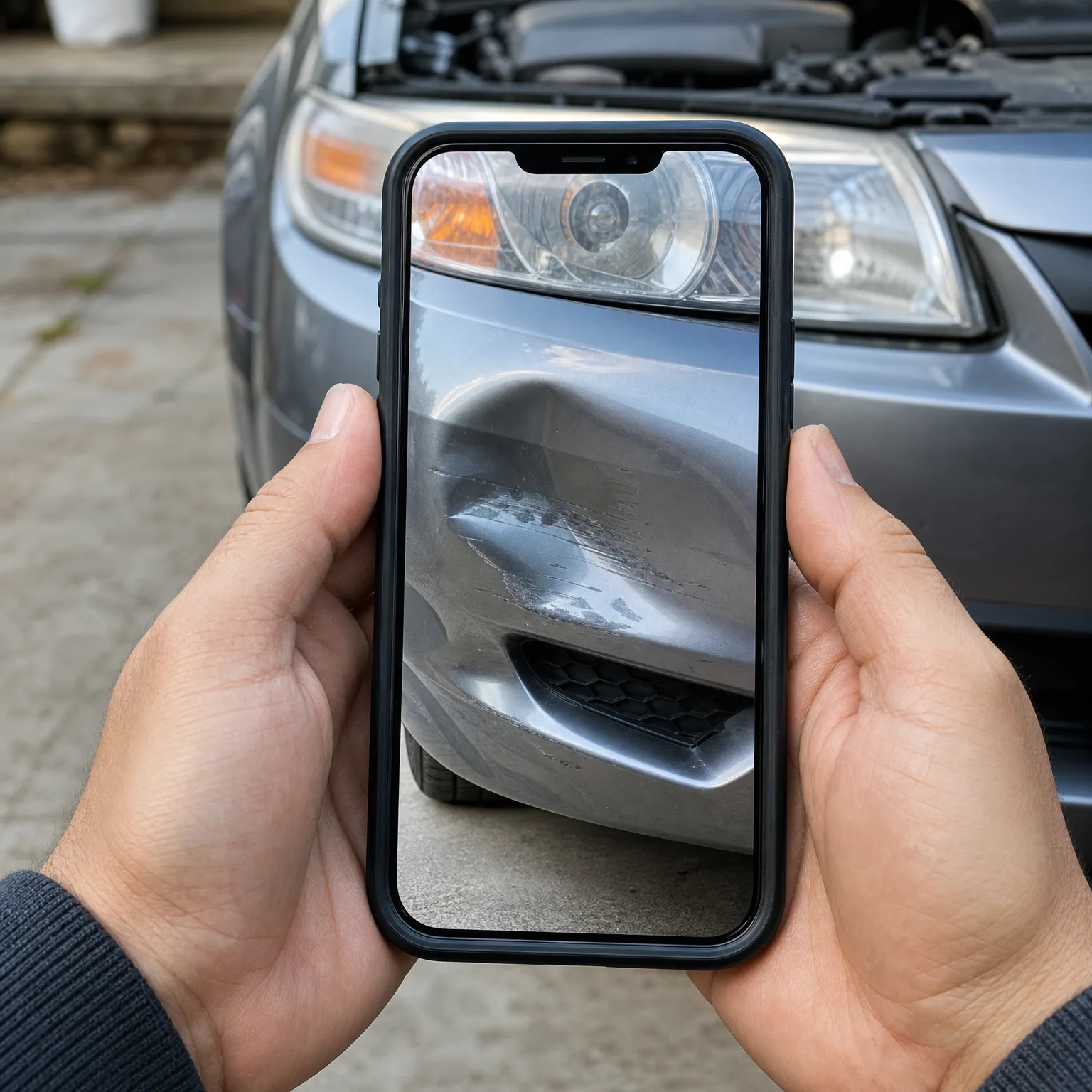
Photograph the vehicles from multiple angles, the license plates, visible damage, the road and any skid marks, and the surrounding area including street signs or signals. These photos become your record if the police report is thin or if the other driver's story shifts later. Also photograph any visible injuries, since those can matter more than the car damage.