What Is Typically Excluded From Auto Liability Coverage
Liability pays for the other driver's losses, not yours, and it skips intentional harm, business use, and damage from cars it doesn't list.

These losses fall outside what liability pays for
- Your own injuries Liability only pays the other driver, not you. You need medical payments or personal injury protection, plus health insurance, to cover your own care.
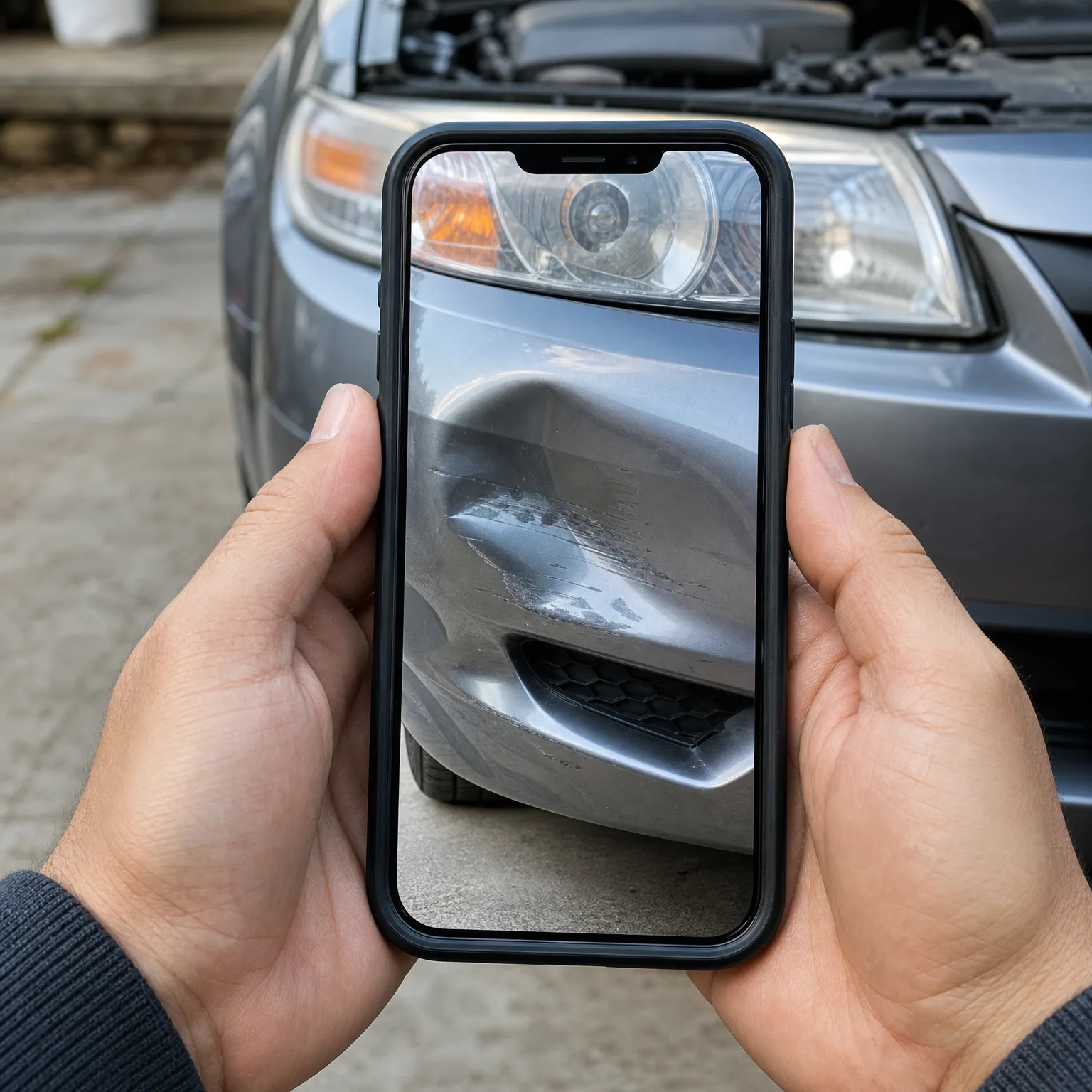
- Your own car damage Liability won't fix your vehicle after a crash you caused. Collision coverage pays for that, so check whether your policy includes it.
- Intentional damage Insurers won't pay for harm you caused on purpose. If one driver has a history of this, it can affect what insurers are willing to offer the household.
- Business or rideshare use Personal liability often stops covering you once you're driving for work or a delivery app. Ask your insurer what counts as business use and whether you need a separate policy.
- Unlisted drivers or cars If someone outside your policy drives, or drives a car not listed on it, liability may not apply. Make sure every regular driver and vehicle in your household is named on the policy.
When one spouse's claim exposed a gap the other didn't expect
A newly married couple was combining policies and assumed liability covered everything in a crash. The husband, listed as the primary driver on his car, rear-ended someone while running a delivery errand for extra income. The other driver's damages were covered under his liability limits, but the insurer denied the claim once it learned he'd been working at the time.
They had to pay out of pocket for the portion beyond what the delivery app's limited insurance covered, and the household's rates rose at renewal. They later added a rider for occasional business use, which cost little compared to the risk. The lesson that stuck with them was to tell the insurer exactly how each car got used before combining anything, not after.

Once you know what liability won't cover, compare quotes that close those exact gaps for your household.

Whether you check for these gaps before you combine policies
If you do
You find out early if one driver's car gets used for work, if a car sits unlisted, or if someone drives who isn't named. You fix it before a claim gets denied, and you know exactly what extra coverage, if any, your household actually needs.
If you don't
You assume liability covers more than it does. A claim gets denied at the worst moment, you pay out of pocket for damage you thought was covered, and the surprise lands right when you're trying to combine two policies into one household plan.
Liability only covers harm you cause to someone else
Liability insurance exists to pay for damage you cause to other people and their property. It was never designed to protect you or your own car, so anything that falls on your side of the crash sits outside it by design. That's why your own medical bills and your own vehicle repairs need separate coverage entirely.
Insurers also draw a hard line around intent and around how the car gets used. If damage was caused on purpose, insurance won't touch it, because insurance is built to cover accidents, not choices. Similarly, once a car gets used for business, delivery, or ridesharing, the risk profile changes enough that personal liability policies often stop applying unless you've added coverage for it.
The household part matters here too. When you combine policies as a married couple, the insurer is underwriting every car and every driver in that household together. A car that isn't listed, or a driver who isn't named, can create a gap that only shows up after a claim gets filed, which is the worst time to learn about it.
Where this plays out differently is state rules around minimum coverage and how insurers define business use. Some states require additional coverage types bundled with liability, and some insurers are stricter about what counts as business use than others. Check your policy's exact wording and ask directly about any irregular use before you assume you're covered.
Does combining our policies change what's excluded from our coverage?
Combining policies doesn't change what liability excludes. The exclusions, like your own injuries, intentional damage, or business use, apply the same way whether you're on one policy or two. What changes is that the insurer now looks at your household as a whole, so any gap on one car or one driver can affect the entire policy's pricing and terms.
This is why it matters to list every driver and every vehicle honestly when you combine. If one spouse occasionally uses a car for work, or if a car sits unused but still gets driven sometimes, say so upfront. Insurers price based on what you tell them, and a gap that goes unnoticed before you combine is far more expensive to fix after a claim than before one.