What Is the First Thing You Do After a Car Accident
Stop, check for injuries, then get everyone to safety before you worry about anything else.
Do these things in this order
- Stop and check for injuries Never drive away, even for a minor bump. Check yourself and everyone else in both cars before you do anything with vehicles or paperwork.
- Move to safety if you can If the cars are drivable and no one is badly hurt, move them out of traffic. Staying in a live lane risks a second, worse crash.
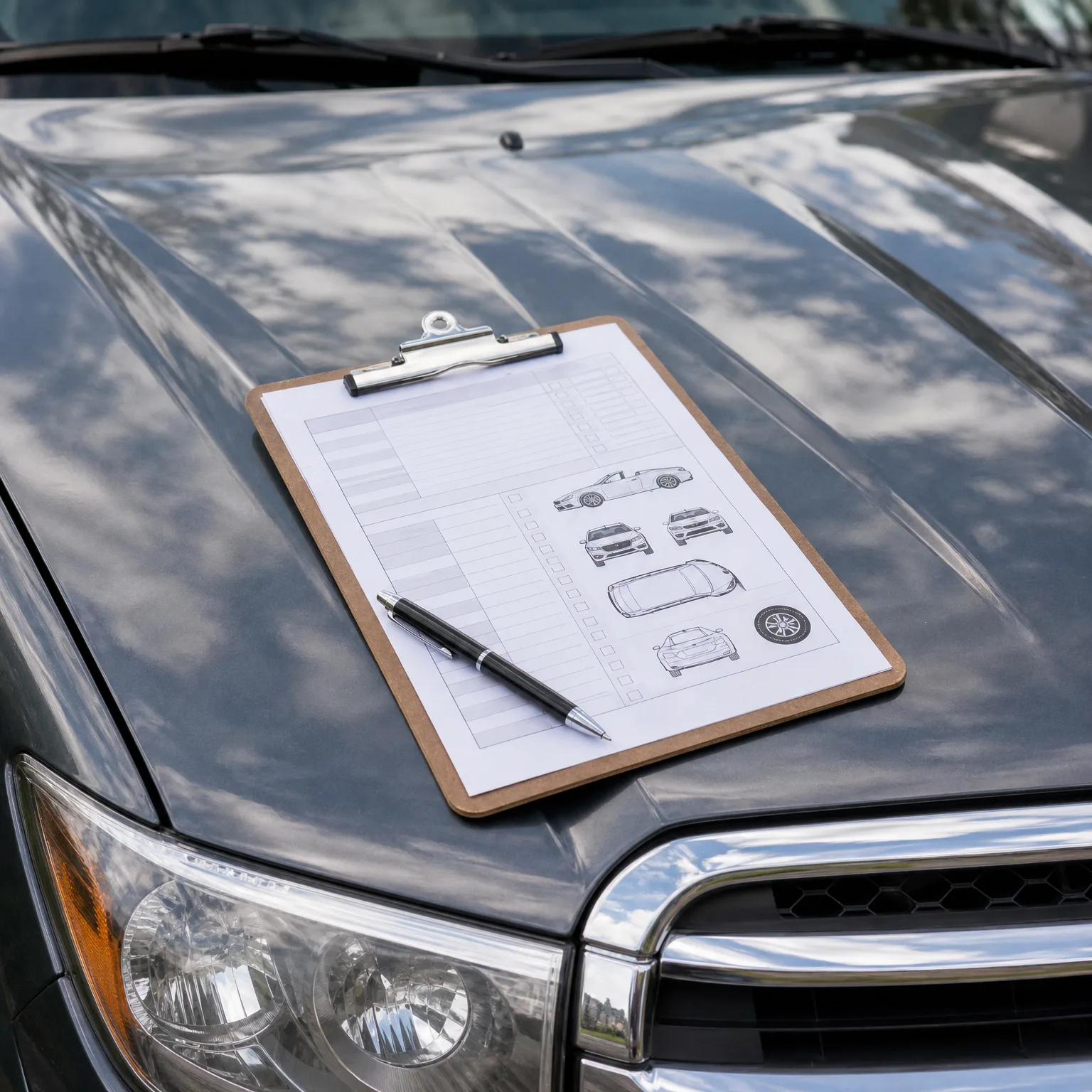
- Call the police A police report is the official record of what happened. Ask for a copy or the report number before you leave the scene.
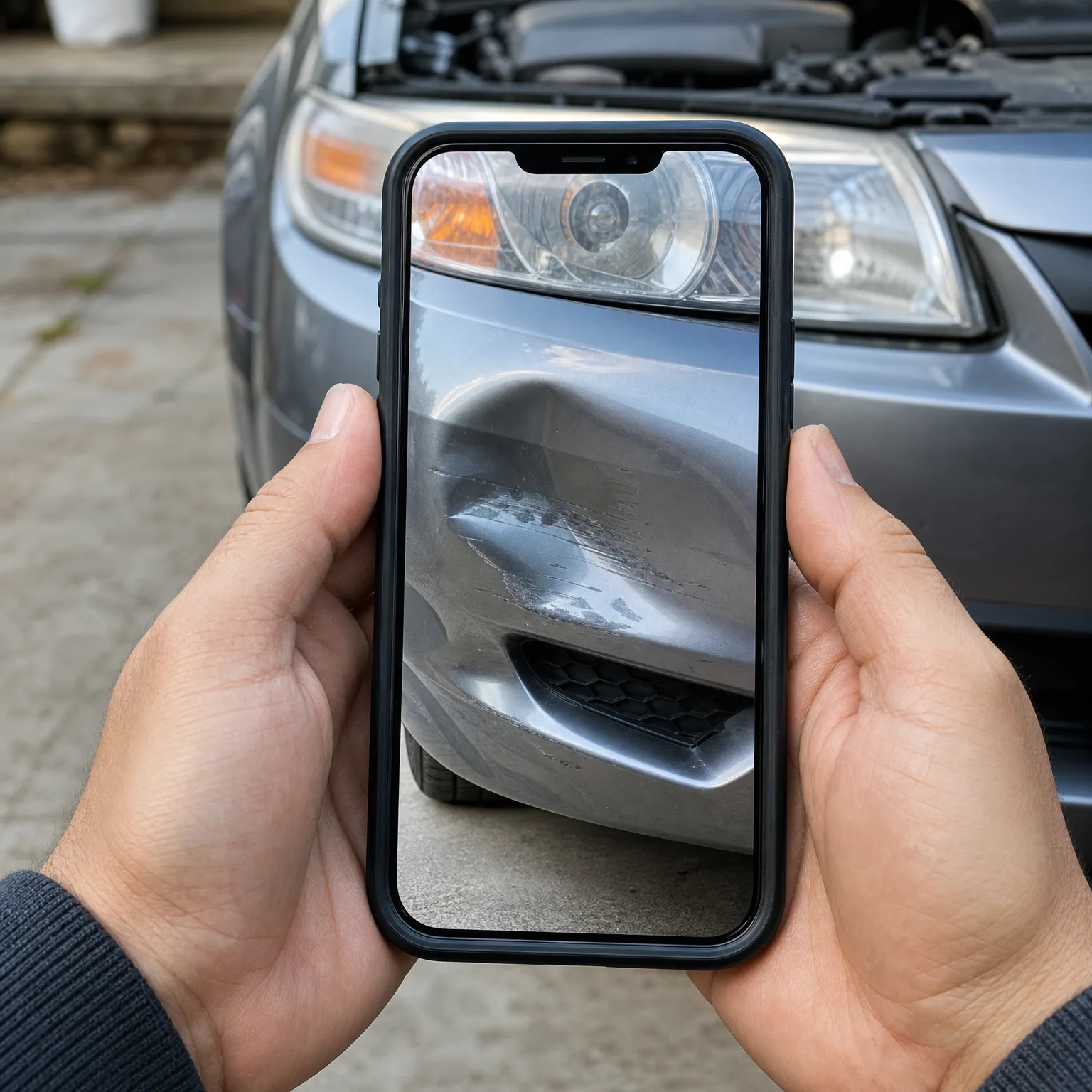
- Document everything Take photos of both cars, the road, and any visible injuries. Get the other driver's name, insurance, and plate number before memories get fuzzy.
- Call your insurer that day Report the accident even if you think it wasn't your fault. Waiting can make your insurer question the claim or delay your payout.

A rear-end collision at a stoplight
You're stopped at a red light and the car behind taps your bumper. No one seems hurt and both cars still drive fine. You get out, check on the other driver, and move both cars to a nearby parking lot since staying in the intersection felt riskier than moving.
You call the police anyway, because a report backs you up if the other driver later changes their story about what happened. While you wait, you take pictures of both bumpers, the license plates, and the intersection itself. You exchange insurance information and call your own insurer that afternoon. A week later the other driver's insurer tries to argue the damage was pre-existing, but your photos and the police report settle it immediately.
Once you know how to handle the moment of a crash, compare quotes to make sure your coverage is ready for one.
What if the other driver doesn't want to call the police?
Call anyway, even for a small accident. The other driver may want to avoid a report because they're at fault, uninsured, or worried about their own rates, and none of those are your problem to protect.
A report is the record that keeps the situation from becoming your word against theirs later. Without one, the other driver can change their story, delay admitting fault, or dispute the damage once it's time to pay. In most places you can call the police yourself without the other driver's agreement, and dispatch will tell you whether an officer needs to come out for your situation.

Whether you call the police before leaving
If you do
You get an official record of what happened, who was involved, and often an initial read on fault. That report becomes the backbone of your claim if the other driver disputes anything later, and most insurers move faster when one exists.
If you don't
You're left relying on photos, memory, and whatever the other driver agrees to later. If they change their story or their insurer pushes back, you have no neutral record to point to, and your claim can stall or get denied.
Do I have to exchange insurance info if the accident was minor?
Yes, exchange it regardless of how small the damage looks. Minor damage can hide bigger problems underneath, and without the other driver's insurance information you have no way to file a claim if something shows up later. Always get their name, phone number, insurance company, and plate number before leaving.
Should I admit fault or apologize at the scene?
No, stick to facts and avoid saying anything that sounds like an admission. Shock and adrenaline can make you misjudge what happened, and what you say at the scene can follow you into the claim. Just exchange information, describe what you observed factually, and let the investigation sort out fault.
What if I can't find a police officer or they won't come out?
File a report yourself at the station or online if officers don't respond to the scene. Many departments only send someone for injuries or major damage, and policies on this vary by place, so ask dispatch directly what your options are. Keep the case or report number for your insurer either way.