What Is a Permissive Use Step-Down Provision?
It's a clause that lowers your liability limits to a state minimum when someone you lent your car to causes a crash.
Free to compare
It lets insurers pay less for drivers they never priced in
Your policy is priced around the people you named and how often they drive your car. When a friend or relative borrows it for an afternoon, the insurer never collected a premium based on that person's driving record. A step-down provision is how some insurers protect themselves from that mismatch. Instead of refusing to pay at all, they pay out at a lower level, usually whatever your state requires as a minimum, rather than the higher limits you actually bought.
This matters most when the gap between your full coverage and your state's minimum is large. If you carry high liability limits because you have assets to protect, a step-down provision can quietly erase most of that protection the moment someone else is driving with your permission. The crash still gets covered. Your broader financial protection does not carry over to that driver.
Whether this clause applies to you depends entirely on your insurer and your state. Some insurers never include it. Some states restrict or ban it outright because it can leave an injured third party with too little recovery. Other states allow it with conditions, like requiring the step-down limit to still meet the state's financial responsibility minimum. You have to read your own policy's language on permissive use, or ask your insurer directly, because this isn't something you can assume one way or the other.
The cases where it works out differently usually involve listed drivers. If the person driving your car is someone you specifically added to your policy, step-down provisions typically don't apply to them, since the insurer already priced that risk in. It's the occasional, unlisted borrower where this clause tends to surface.

When a neighbor borrows the car and causes a wreck
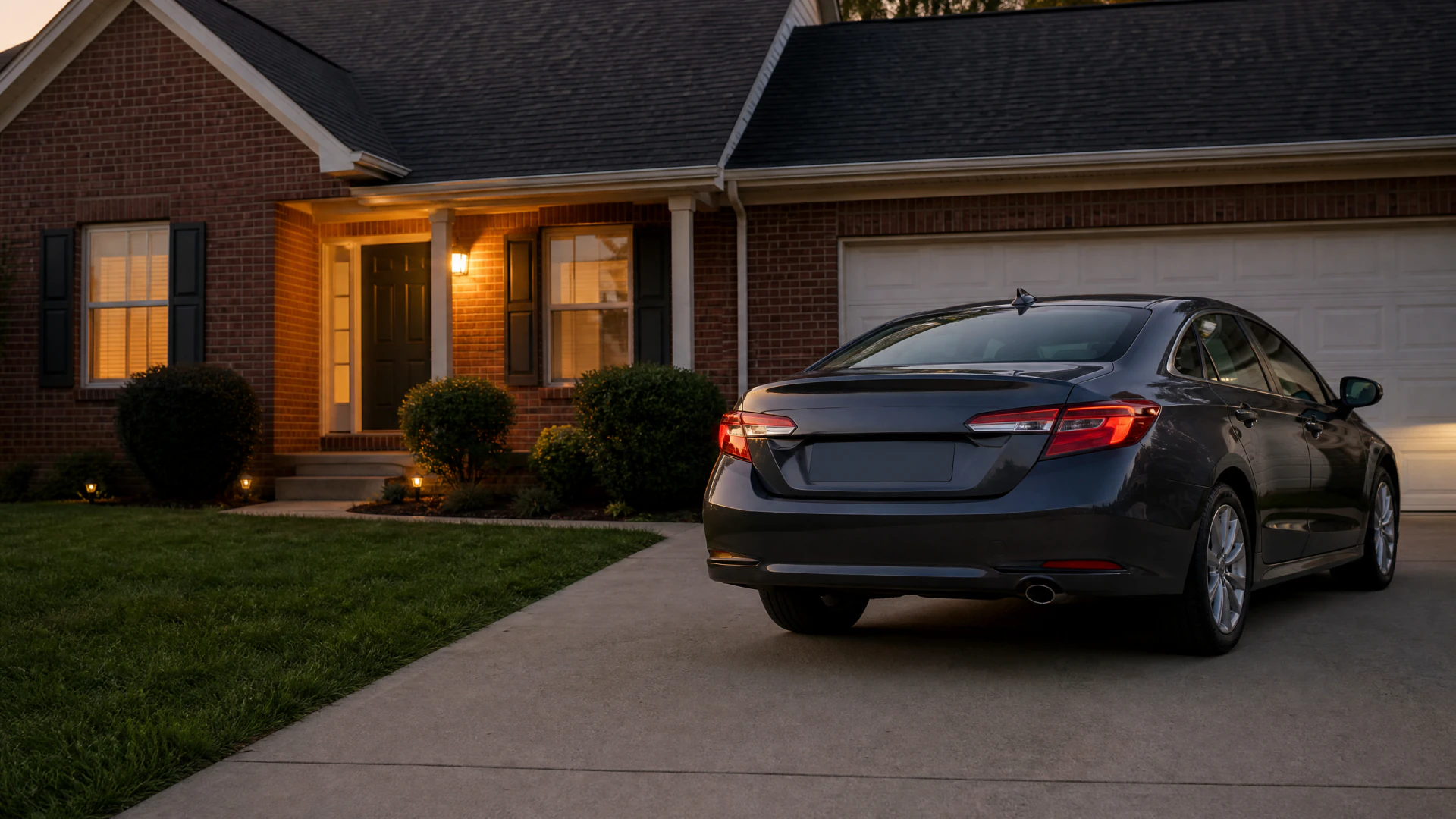
Say you carry higher liability limits than your state requires, because you own a home and want real protection if you're ever at fault for a serious accident. Your neighbor asks to borrow your car for a grocery run, you say yes, and on the way there they run a light and hit another vehicle, injuring the other driver.
The other driver's medical bills and vehicle damage add up to more than your state's minimum limits but less than your policy's full limits. If your policy has a permissive use step-down provision, your insurer may only pay up to the state minimum, leaving the gap to be pursued against your neighbor personally, or against you directly in a lawsuit. You find out whether this applies to you by reading the permissive use section of your policy or calling your agent before you hand anyone the keys, not after the crash has already happened and the bills are already adding up.
The coverage you bought isn't the coverage a borrowed driver gets, so check before you lend your car.
Compare quotes from insurers upfront about permissive use, so you know your real coverage before lending your keys.

Should you check for a step-down clause before lending your car
If you do
You'll know exactly what happens if a borrower causes a crash. If a step-down exists, you can decide not to lend the car, ask your insurer about removing the clause, or set clear limits on who drives it. You avoid a surprise gap in coverage right when you need it most.
If you don't
You're assuming your full policy limits apply to anyone you hand the keys to, and that may not be true. If a borrower causes a serious accident, you could discover the coverage drops to a state minimum only after the claim is filed, with the financial gap landing on you or them.
Can you get rid of a permissive use step-down provision?
Sometimes, but it depends on your insurer and state. A few insurers will remove the clause if you ask, sometimes for an added cost, since it changes how much risk they're taking on for occasional drivers. Others won't offer it at all, treating it as standard policy language that applies to every customer equally.
If your insurer won't budge, your real options are to switch to an insurer that doesn't use step-down provisions, or to add anyone who drives your car regularly as a listed driver instead of relying on permissive use. Listed drivers are usually covered at your full policy limits because the insurer has already priced their risk into your premium. Before lending your car to someone who isn't listed, it's worth a direct call to your insurer, since this is exactly the kind of detail that doesn't show up clearly in a policy summary.