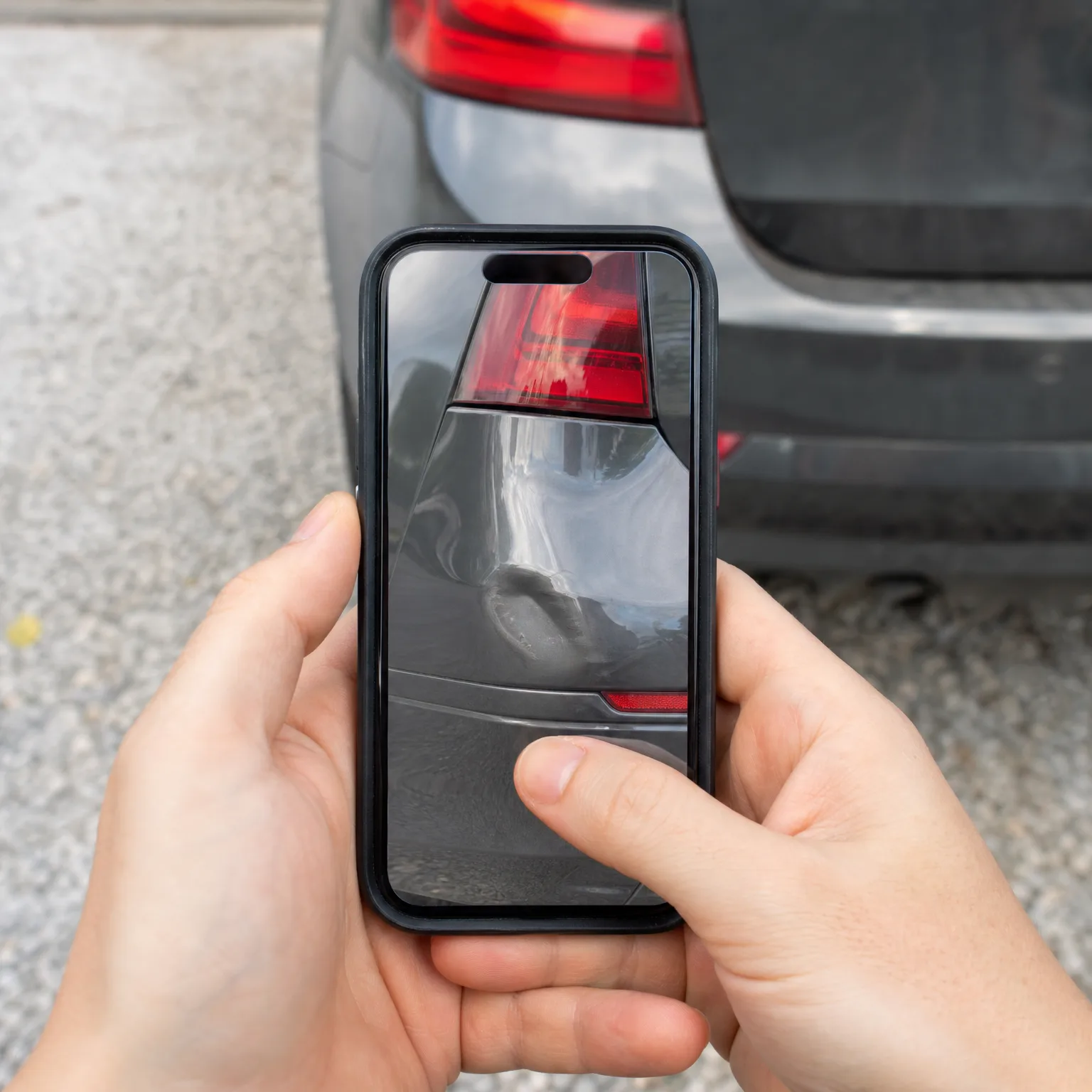
What Happens if You Have Multiple Cars Under Your Name
Every car in your name needs its own coverage, but putting them on one policy usually works out better than keeping them apart.
One Spouse Owns Two Cars, One Sits Mostly Unused
A reader kept her car and her husband's old car, both titled in her name after he stopped driving one of them. She assumed the parked car didn't need coverage since nobody drove it regularly, but her state required every titled vehicle to carry at least liability insurance or be formally declared off the road with the DMV.
She called her insurer and added the second car to her existing policy instead of buying a separate one. The insurer treated it as a multi-car household, gave her a combined discount, and let her list her husband as an occasional driver on that second car at a lower rate since he rarely used it. The whole thing took one phone call once she understood that ownership, not usage, was what triggered the requirement.
Can You Insure Only the Car You Actually Drive?
Generally no, not if the other car is titled in your name and registered. Insurance requirements attach to registration, not to how often you get behind the wheel. If a car is sitting in your driveway, registered and plated, most states expect it to carry at least liability coverage.
The way around this is to formally take the unused car off the road. That usually means surrendering the plates and filing a declaration with your state's motor vehicle agency that the car is not in operation. Once that's done, you typically don't need to insure it. Just know that if you drive it even once while it's declared off-road, you're exposed with no coverage at all.

Now that you know how multiple cars under your name affect your coverage, compare quotes for insuring them together.
Why Insurers Treat Every Car Tied to Your Name as Your Responsibility
Insurance follows ownership because that's how liability works. If a car registered in your name is involved in an accident, you can be held responsible for what happens, even if you weren't driving. Insurers price around that risk, which is why every titled vehicle needs its own coverage or a documented reason why it doesn't.
This is also why combining multiple cars under one policy almost always costs less than insuring them separately. Insurers see a multi-car household as more predictable and often more careful, since people managing several vehicles tend to maintain them and pay attention to renewals. That predictability gets rewarded with a lower combined rate, and administratively it's simpler for them to manage one account instead of two.
Where this gets complicated is when the cars aren't driven equally or by the same person. A car used daily carries different risk than one parked most of the year, and a car driven by a teenager or a driver with a rough record carries different risk than one driven by someone with a clean history. Insurers account for this by letting you assign primary and occasional drivers to specific cars, which keeps one person's risk from inflating the cost of a car they barely touch.
The exception is when you genuinely don't want a car insured at all. If it's inoperable, in storage, or being sold, the fix isn't to leave it off your policy quietly. It's to tell your state you're taking it off the road, since an uninsured registered car is a liability regardless of your intentions.
The car's title decides whether you need insurance, not whether anyone is driving it.
Does adding a second car to my policy raise my rate a lot?
Usually not as much as you'd expect, because multi-car policies come with a discount that offsets part of the added cost. The actual change depends on the second car's value, who drives it, and that driver's record. If the second car is older or driven rarely, the increase tends to be modest. Ask your insurer for a side-by-side quote showing the two cars combined versus separate, so you can see the real difference instead of guessing.
Can I put a car in my name but insure it under someone else's policy?
Generally no, insurers require the policyholder to have an insurable interest in the car, which usually means being the owner or a listed driver. If the car is titled in your name, your name typically needs to be on the policy too, even if someone else drives it most of the time. Check with the specific insurer, since rules on listing a non-owner as primary driver vary.
What happens if I sell one of my cars but forget to remove it from my policy?
You'll likely keep paying for coverage on a car you no longer own until you call and remove it. Insurers don't automatically track title transfers, so this depends entirely on you updating them. Once you sell a car, remove it from your policy right away and ask whether you're owed a refund for the unused portion of your premium.