What Happens if Someone Borrows Your Car and Crashes It
In most cases, your car insurance pays for the crash because coverage follows the car, not the driver.

What decides who pays when a borrowed car crashes
- Your policy goes first Car insurance is tied to the vehicle, so your policy is usually the primary coverage even if you weren't driving. Check your policy's language on permissive use to confirm you gave consent.
- Permission matters a lot If you said yes to the borrower, their crash is treated like your crash for claims purposes. If they took the car without asking, your insurer may deny the claim and treat it differently.
- Their insurance can back you up If the damage or injuries go beyond your limits, the borrower's own policy may kick in as secondary coverage. Ask your insurer how this gap gets filled before you assume you're exposed.
- Your rate may still rise Even though you weren't driving, the claim is filed under your policy and counts against your history. Talk to your agent about whether accident forgiveness or a similar protection applies.
- State rules on liability differ Some states follow stricter owner liability laws than others. Check your state's rules so you know how much responsibility falls on you as the owner versus the driver.
A friend borrows the car for the weekend and hits a fence
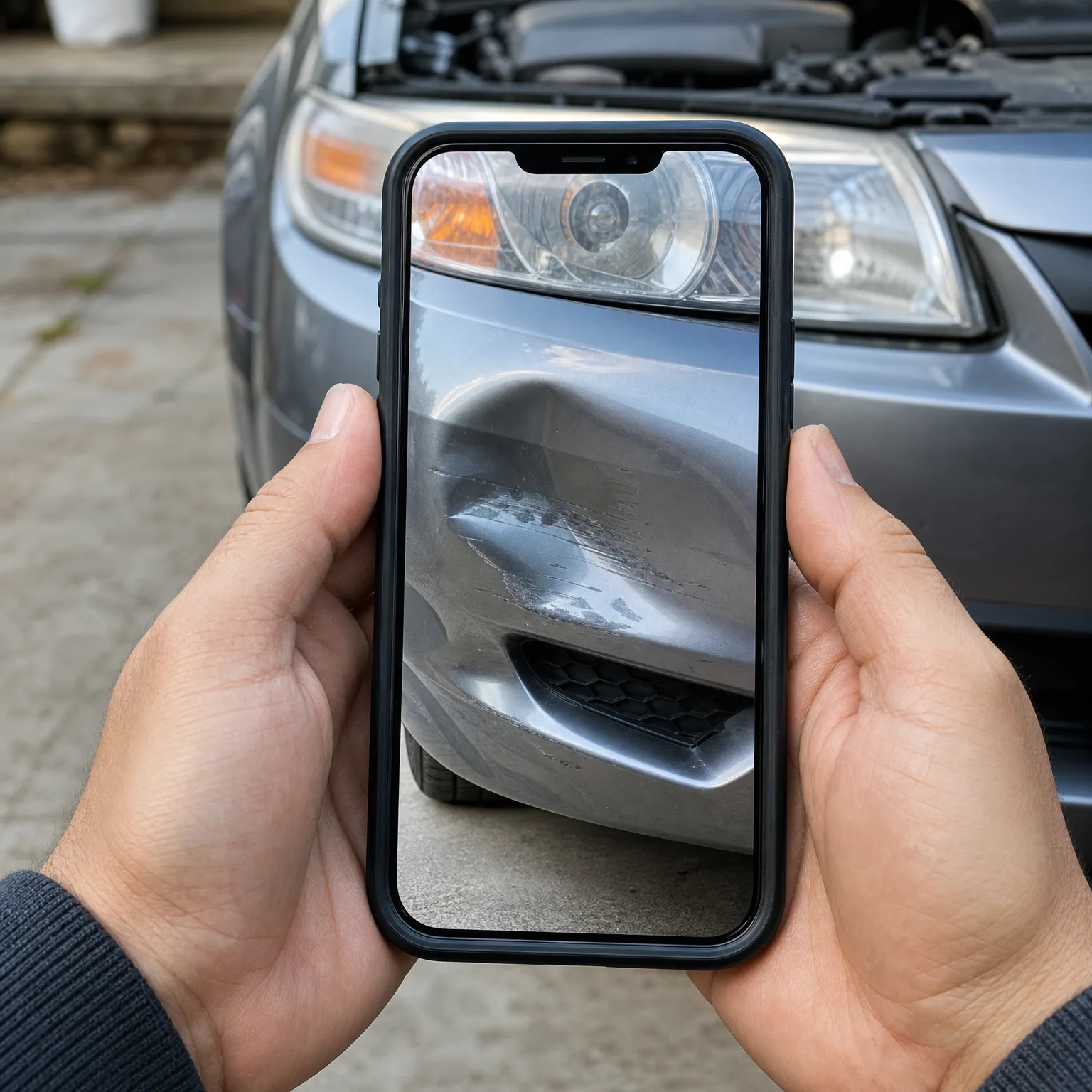
You lend your car to a friend for a weekend trip. While parking, they back into a fence and damage the bumper and a taillight. There's no question you gave permission, so when your friend calls you first, you tell them to exchange information if anyone else is involved and then report it to your insurer together.
Your insurer treats the claim as if you were driving, since the car was used with your consent. The repair costs come out of your collision coverage, minus your deductible, and your friend offers to cover that cost directly since the damage was minor and no one else was hurt. The claim still shows up on your policy's history, so you ask your agent whether it affects your renewal and learn that one minor at-fault claim won't move your rate much given your record. You decide lending the car again is fine, but next time you'll agree upfront on who covers the deductible.

Deciding whether to let someone borrow your car
If you do
If you say yes, your policy is the first line of coverage if they crash, so confirm your deductible and limits beforehand. Tell them what to do at the scene. A single claim rarely changes your rate dramatically, but repeated claims will.
If you don't
If you never lend the car, you avoid this risk entirely, but you also can't help someone in a pinch. Anyone who drives without permission isn't covered under your policy the same way, and you may need to report it as unauthorized use.
Now that you know who pays when a borrowed car crashes, compare quotes to see how much coverage you actually have.

Does letting someone borrow my car count as adding them to my policy?
No, occasional borrowing doesn't require adding someone to your policy. Insurers distinguish between a one-time or infrequent driver and a regular one. If someone borrows your car often, like a roommate or partner who drives it weekly, insurers usually expect you to list them. Not doing so can create problems at claim time if the insurer argues they should have been disclosed. Check your policy's definition of a regular driver so you know where the line falls.
What if the person I lent my car to doesn't have their own insurance?
Your policy still applies first since coverage follows the car, not the driver. The fact that they're uninsured personally doesn't change that, as long as you gave permission and they're a licensed driver. The bigger risk is if the damage exceeds your limits, since there's no secondary policy to pick up the rest. In that situation you could be responsible for the remaining cost yourself, so check your liability limits before lending the car to someone without coverage.
Can my insurance drop me after someone else crashes my car?
It's possible, but one claim from a permitted driver rarely leads to a non-renewal on its own. Insurers look at your overall claims history and risk pattern over time. If the borrower caused a severe accident or you have other recent claims, the combination could prompt a review. Ask your agent how your specific insurer handles this, since the threshold for non-renewal varies by company and by state.

The car carries the coverage, so who's behind the wheel matters less than who you said could be.