What Happens if I Let an Uninsured Driver Drive My Car
Your policy usually covers the damage, since insurance follows the car, but it can still cost you through denials or higher rates.
What actually happens when an uninsured driver uses your car
- Your policy responds first Most policies cover permitted drivers using your car with your okay. Check your declarations page for who counts as an excluded or listed driver before you hand over the keys.
- Permission matters a lot If you said yes, even once, your insurer usually treats the driver as covered under your policy. If the car was taken without asking, that's a different claim entirely and may involve police reports.
- Exclusions can void coverage Some policies name specific excluded drivers, often someone with a bad record or no license. If that person drives your car and causes a crash, your insurer can deny the claim outright.
- Your rate can still rise Even when the claim pays out fine, a claim on your policy is a claim on your record. Ask your insurer directly how a loaned-car claim affects your future pricing.
- Your limits are what's exposed If they hurt someone and get sued, their lack of insurance doesn't protect you. Know your liability limits before lending the car regularly to anyone.
A friend borrows the car for a weekend and gets in a wreck
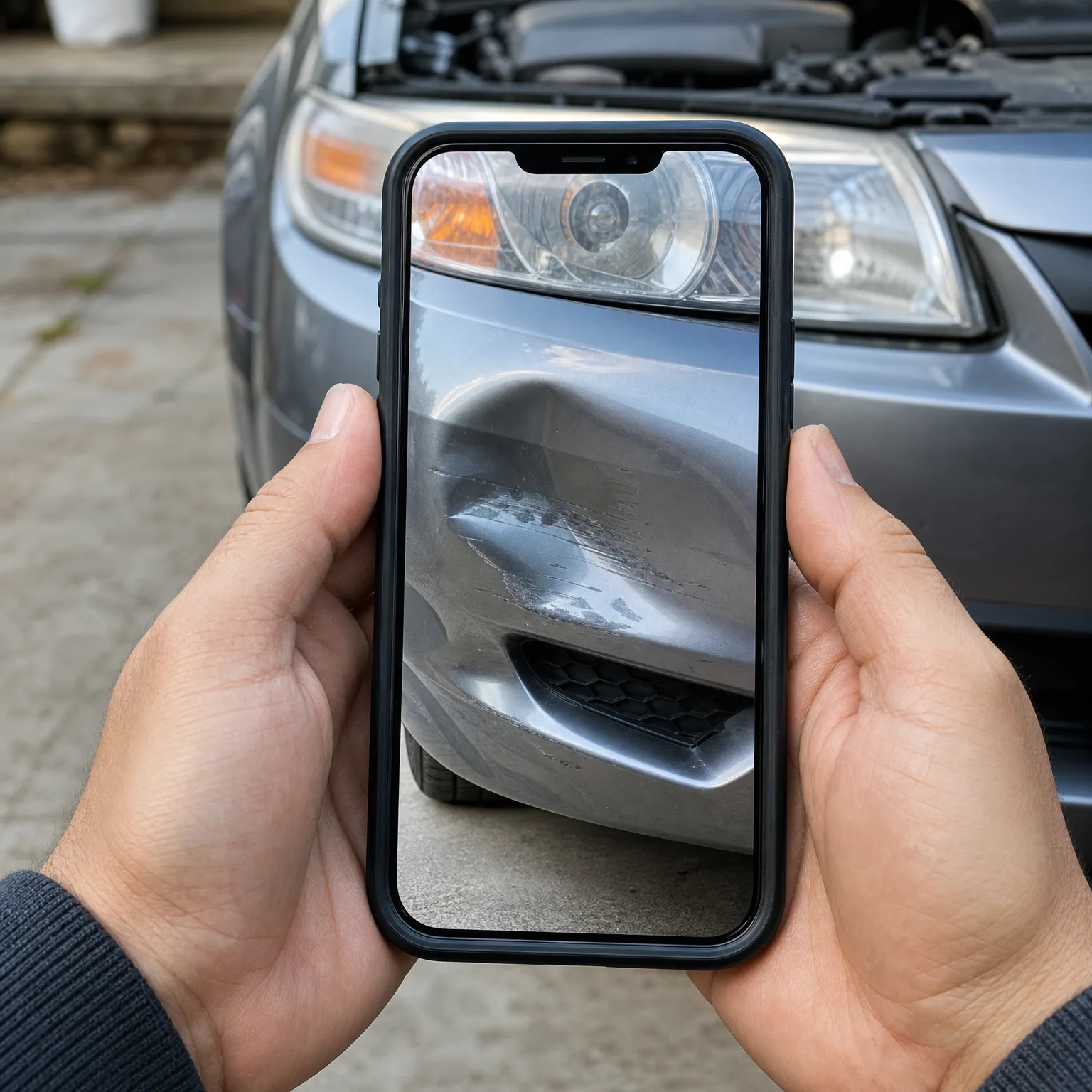
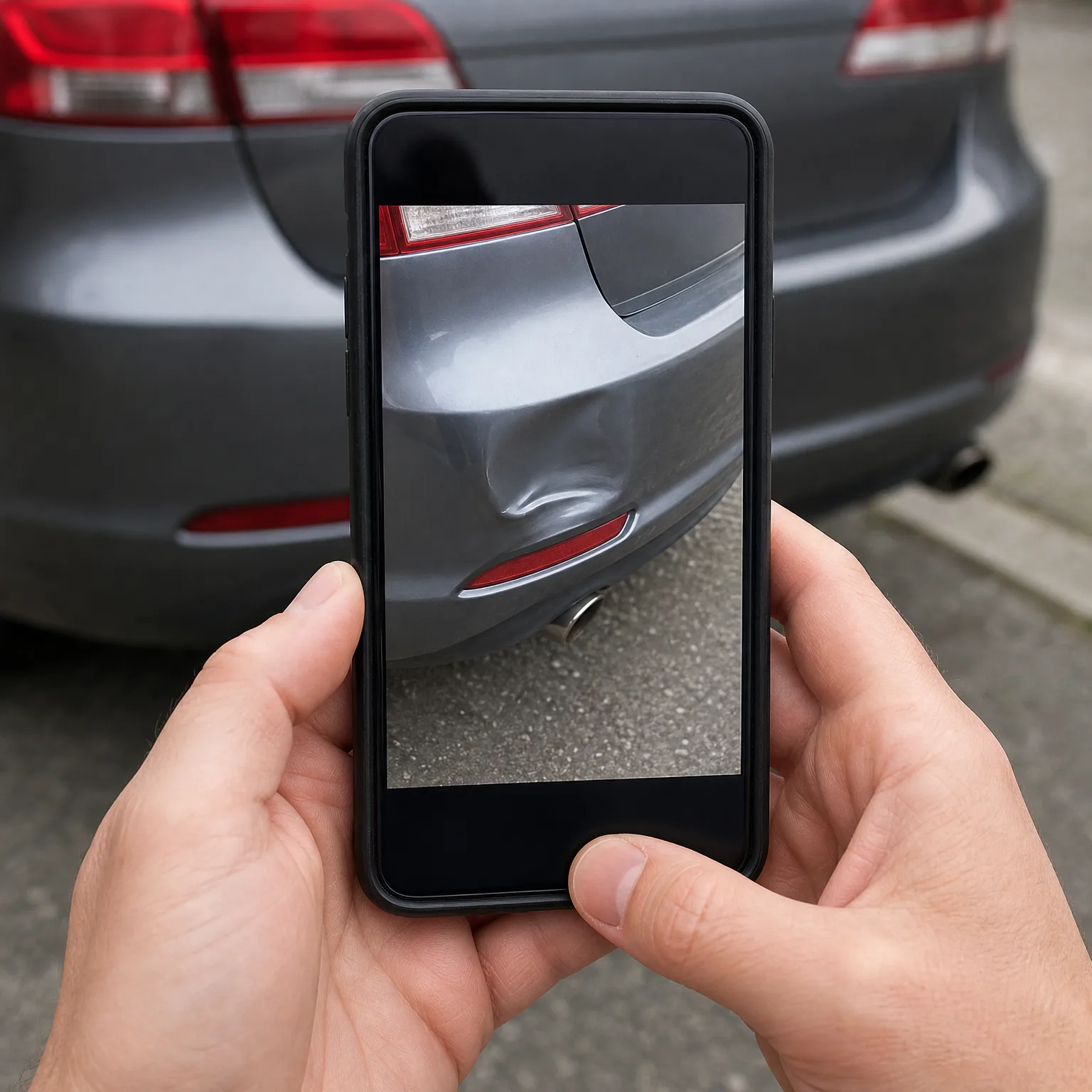
Say you lend your car to a friend who doesn't carry their own insurance, because theirs lapsed or they never owned a car. They're involved in an accident that's ruled their fault. Since you gave permission, your insurer treats your policy as the primary coverage. The claim gets filed under your name, against your liability and collision coverage, not theirs.
Your insurer pays for the other driver's damages up to your liability limits, and your collision coverage handles your own car if you carry it. Your friend walks away without paying anything directly, but your policy now has a claim on it. When your renewal comes up, your insurer reviews that claim like any other, and your rate can move because of an accident you weren't even driving in. The lesson most people take from this isn't to stop lending cars, it's to ask first whether the person is a listed or excluded driver, and to understand that saying yes means the risk becomes yours too.
Now that you know whose policy actually pays, compare quotes to see how that risk is priced for you.
Why the car's policy pays instead of the driver's
Car insurance is built around the vehicle, not the person driving it that day. Insurers price your policy based on your car, your history, and who regularly drives it. When you let someone else drive with permission, they step into the coverage that already exists, the same way a guest at your house is covered by your homeowner's policy if something goes wrong.
This is why permission is the hinge the whole situation turns on. If you handed over the keys, insurers treat that as consent, and your policy responds first regardless of whether the other driver has coverage of their own. The uninsured driver's personal situation barely matters here, because the claim isn't being filed against a policy they don't have.
Exclusions exist because insurers want to limit risk from drivers they've already flagged. If you've added someone as excluded, often after a serious violation or at their own request to lower your premium, the insurer is telling you plainly that any accident involving that person won't be covered. Driving past that exclusion isn't a gray area, it's the one case where your own policy can refuse to pay.
Where this changes is state to state and insurer to insurer. Some places have stricter rules about permissive use, and some insurers write narrower definitions of who counts as a covered driver. Check your policy's language on permissive use and named exclusions before you assume you know how it would play out.
Coverage doesn't depend on their insurance, it depends on whether you said yes and who's excluded.
Does my insurance go up if someone else wrecks my car?
Usually yes, because the claim is filed under your policy regardless of who was driving. Insurers look at claims history tied to the car and the policyholder, not just who was behind the wheel. How much it rises depends on your insurer's rules and your claims history overall. Ask your agent how an at-fault claim from a permitted driver is weighed compared to one where you were driving yourself.
Can I add someone to my policy just for one trip?
Most insurers don't offer single-trip add-ons, but temporary permission without adding them is usually fine if they're not excluded. If someone will drive regularly, like a partner or roommate, insurers expect you to list them rather than rely on occasional permissive use. Ask your insurer where the line is between an occasional guest driver and someone who needs to be added formally, since crossing it unknowingly can affect a claim.
What if I lend my car to someone with a suspended license?
This is riskier than lending to someone merely uninsured, because some insurers treat knowingly letting a suspended driver use your car as a reason to deny the claim. It can also create legal exposure beyond insurance, depending on where you live. Check your policy's language on this specific situation, and check your state's rules too, since consequences here vary more than with simple permissive use.