What Happens if I Crash While Driving Someone Elses Car
In almost every state, the car owner's insurance pays first, and your own policy backs it up if the damage goes beyond that.
What decides who pays and how much
- Owner's policy pays first Car insurance generally follows the vehicle, not the driver. The owner's policy is the first one that responds to the claim, so check what their coverage actually includes before you borrow the car.
- Permission matters a lot If the owner said yes to you driving, you're almost always covered under their policy. If you took the car without asking, coverage can be denied entirely, so always get clear permission first.
- Your policy can fill gaps If damage or injuries cost more than the owner's limits cover, your own insurance can step in as secondary coverage. This is one more reason to know your own limits, not just theirs.
- Liability versus your car The owner's liability coverage pays for the other driver's damage and injuries. Whether their policy also pays to fix the car you were driving depends on what collision coverage they carry.
- Tell both insurers early Report the crash to the owner's insurer and your own, even if you think you won't need your policy. Waiting to report can complicate a claim that would otherwise be straightforward.
Does my insurance rate go up for a crash in someone else's car?
It can, depending on how the claim is paid and whose policy ends up covering the loss. If the owner's insurance pays for everything and your policy is never used, your own rate usually stays untouched, because insurers price based on claims paid under your policy.
If the costs exceed the owner's limits and your policy pays the remainder as secondary coverage, that claim can show up on your record and affect your renewal pricing. The fault determination matters too. Being found at fault in the crash can affect your rating even when another policy paid the claim, because insurers share claims history through reporting databases.
Check with your own insurer about how they handle claims where you were a permitted driver on someone else's policy. Practices vary by company, and some weigh at-fault accidents in a borrowed car differently than one in your own name.
Now that you know whose coverage pays first, compare quotes to make sure your own policy backs you up too.
Why coverage follows the car before it follows you
Car insurance is built around the vehicle because that's the asset actually at risk in a crash. Insurers underwrite a policy based on the car's value, how it's used, and who's listed to drive it. When someone else drives with permission, they're treated as an extension of that existing agreement, not a new policy altogether.
Your own insurance exists as a backstop, not a replacement. Most personal auto policies include coverage for you while driving other vehicles, precisely for situations like borrowing a friend's car or a family member's. That coverage is usually secondary, meaning it only kicks in once the primary policy's limits are used up.
Permission is the hinge the whole thing turns on. Insurers distinguish clearly between a borrowed car and an unauthorized one. Driving with the owner's consent keeps you inside the protection their policy offers. Driving without it can leave both of you exposed, since the owner's insurer may deny the claim and your own policy may treat it differently too.
There are exceptions worth knowing. Some policies name specific excluded drivers, some states have unique rules about permissive use, and rental cars or employer vehicles often follow separate agreements entirely. Always check the specific policy language or ask the insurer directly before assuming how a crash would be handled.
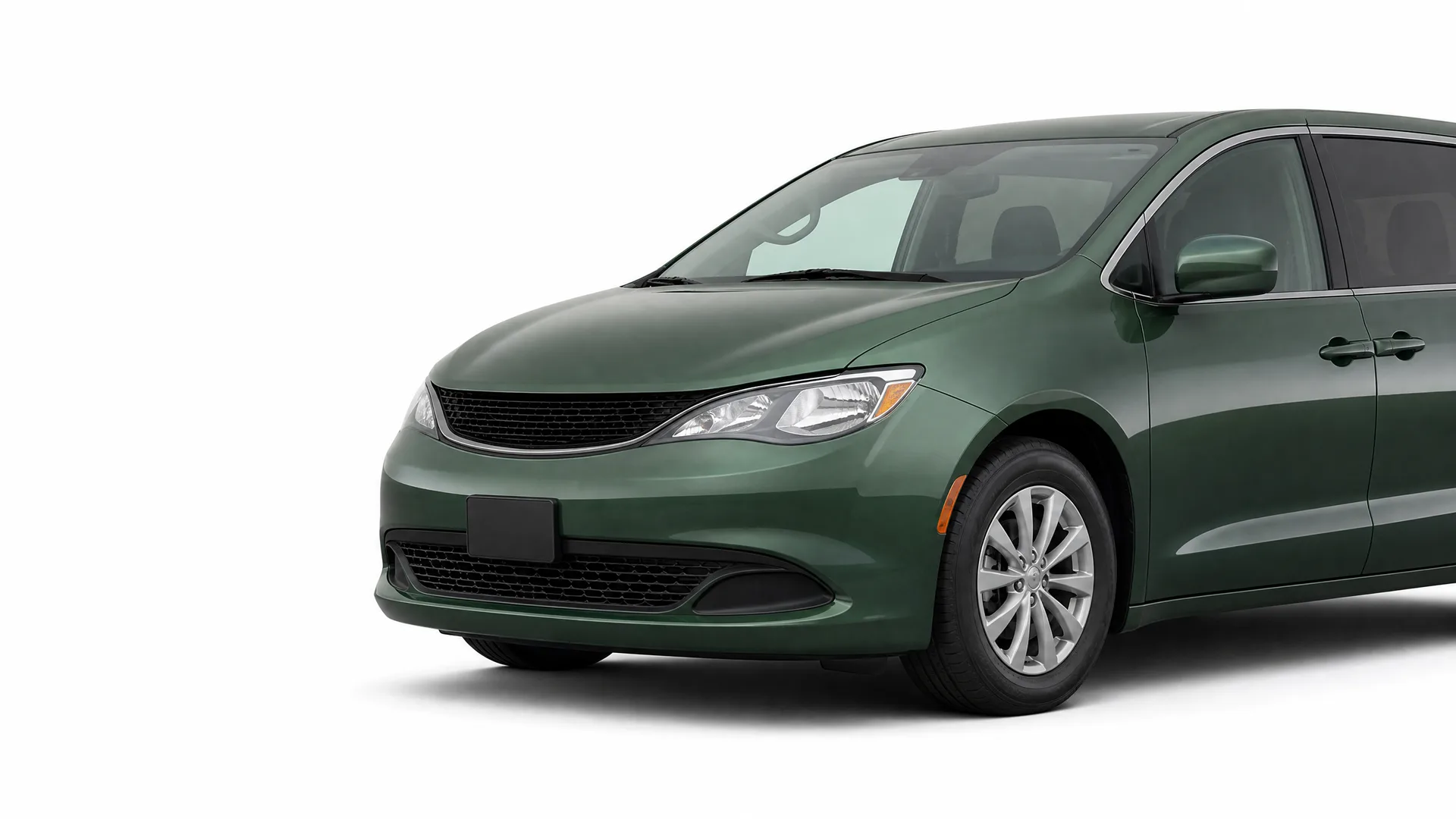
The real question isn't whose car it is, it's whether you had permission to drive it.
Do I need my own car insurance if I only drive other people's cars?
Yes, you should still carry your own policy if you drive regularly, even as a secondary driver. Many insurers expect anyone who drives often to have coverage in their own name, and lacking it can complicate claims or raise questions about why you weren't insured. Check with insurers in your state about rules for frequent permissive drivers, since expectations vary.
What if the car owner doesn't have insurance at all?
Then your own policy likely becomes the primary coverage for the crash, if you have coverage that applies to driving other vehicles. Without that, you could be personally responsible for damages and injuries. Always confirm a car is insured before driving it, especially if you're not certain about the owner's situation.
Can the owner's insurance drop them for letting me drive?
It's unlikely for a single permitted use, but repeated claims involving other drivers can affect how an insurer views the policy at renewal. This depends heavily on the insurer and the claims history on that policy. Ask the owner to check with their insurer if this becomes a frequent arrangement.