What Happens if I Crash Into Someone With No Insurance
If you're at fault and hit someone with no insurance, your own liability and medical coverage still have to cover their losses.
What decides how this goes for you
- Fault still matters most If you caused the crash, you're responsible for the other driver's damage and injuries whether or not they carry insurance. Your liability coverage pays out just like it would for an insured driver.
- Your limits become the ceiling The other driver's lack of insurance doesn't raise your limits. If their claimed losses go past what your policy covers, you could be personally on the hook for the rest.
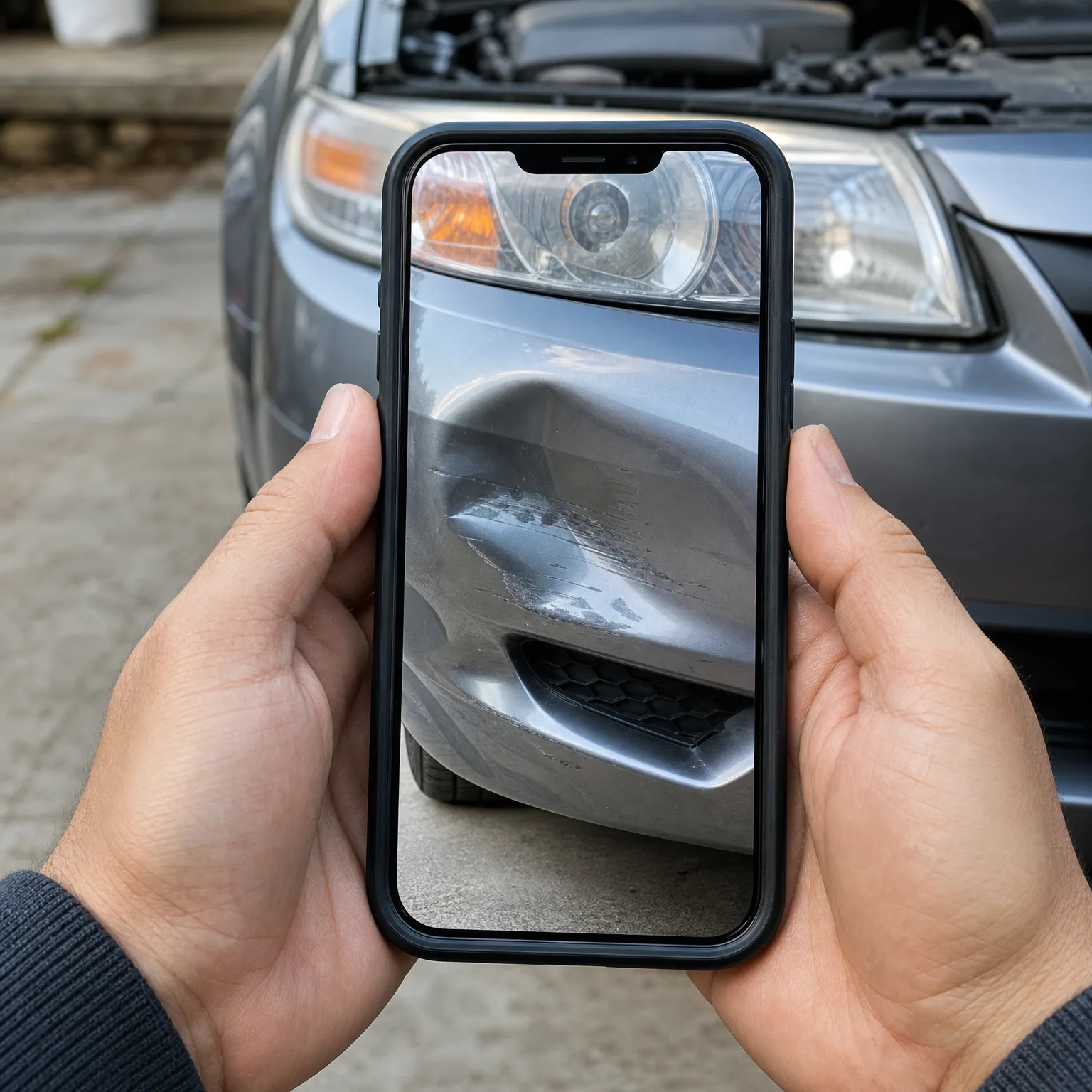
- Your car needs its own coverage Collision coverage on your policy pays to fix your car regardless of who caused the crash or whether the other driver had insurance. Without it, you're paying out of pocket for your own repairs.
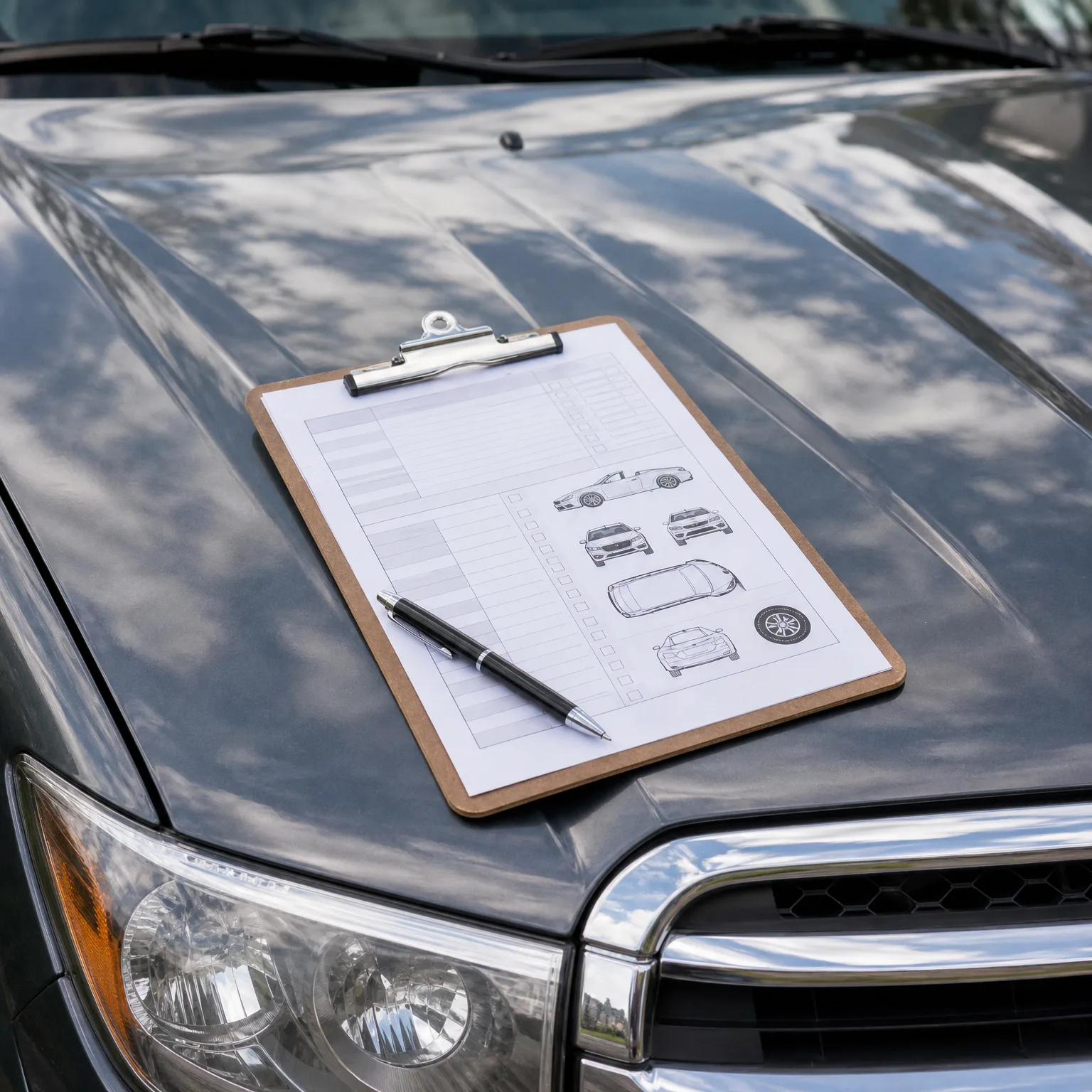
- Police report becomes your proof Get an official report at the scene even if the damage looks minor. It documents fault and the other driver's insurance status, which matters if anything is disputed later.
- Their status can still resurface An uninsured driver you hit may still try to sue you directly for damages beyond what your policy pays. Check your state's rules on personal liability exposure in at-fault crashes.
A rear-end crash with no insurance on either side
You misjudge a stop at a light and tap the car in front of you. The driver gets out, visibly annoyed, and it turns out they don't have insurance. You exchange information anyway and call the police to file a report, because you know that without one, there's no official record of what happened or who was involved.
Your insurer opens a claim under your liability coverage since you were at fault. The report confirms the other driver's lack of insurance, which doesn't change what you owe them but does protect you if they later dispute details or try to claim more than what actually happened. Your own car's damage gets paid through your collision coverage, since the other driver has nothing to pay you back with. The claim closes within the usual timeframe, and your rate reflects the at-fault accident the way it would have regardless of the other driver's insurance status.
Their lack of insurance changes nothing you owe. It only changes what you can recover for your own car.
Compare quotes with coverage limits that protect you even when the other driver doesn't carry insurance.

Whether you carry collision coverage on your own car
If you do
Your insurer pays to repair or replace your car after the deductible, no matter who caused the crash or whether the other driver had insurance. You're not left chasing someone who can't pay. You handle the claim through your own insurer and move on quickly.
If you don't
You pay for your own car's damage entirely out of pocket. Since the other driver has no insurance to come after, there's no one else to collect from. Your liability coverage still pays for their damage, but your own repairs become your expense alone.
Why your coverage carries the weight here
Liability coverage exists to pay for damage you cause to someone else, not damage caused to you. When you're at fault, that obligation exists independent of what the other driver carries. Their insurance status affects what they can pay you back if they're at fault, not what you owe them if you're the one who caused the crash.
This is why collision coverage matters so much in this specific situation. It's the only piece of your policy that pays to fix your own car without depending on someone else's insurer. If you caused the crash and the other driver has nothing, collision coverage is what stands between you and paying full repair costs yourself.
The risk that varies is what happens above your limits. Some states cap how much a driver can pursue beyond insurance payouts, others leave more room for lawsuits over remaining damages. This is worth checking directly, since it shapes how much exposure you actually carry when limits run out.
The case that plays out differently is when you're not at fault but still get hit by an uninsured driver. That's a separate kind of coverage problem, and it depends entirely on whether you carry protection for exactly that scenario. Being at fault and being the victim of someone else's lack of insurance are two different situations with two different answers.