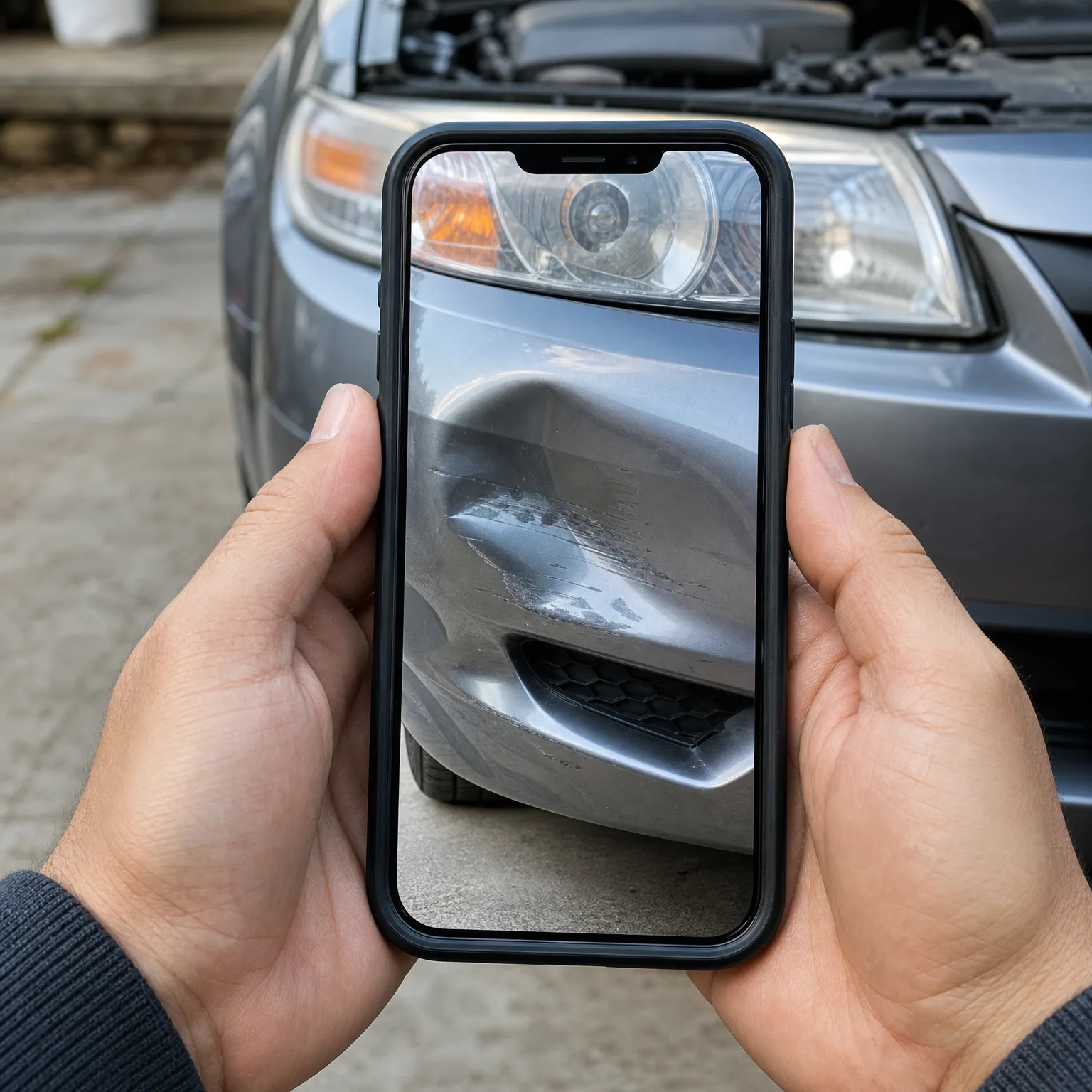
What Happens if I Am a Named Driver on Someone Elses Car
You're covered to drive that car, but your own policy and your own rate still follow you separately.
Your record and theirs both matter, just in different ways
When you're added as a named driver, the insurer is agreeing to cover you behind the wheel of that specific car under that specific policy. That means if you're driving it and something happens, the coverage responds the same way it would for the primary driver. But it doesn't make the car yours, and it doesn't merge your driving history with theirs into one shared record.
Insurers price the policy based on everyone listed on it, so your record does affect what that household pays. If you've had a ticket or an accident, adding you as a named driver can raise the premium on that policy, because the insurer now has to account for your risk too. This is exactly the situation many newly married couples face when deciding whether to combine policies or keep them separate for a while longer.
Your own separate policy, if you still have one on your own car, isn't touched by this. The two stay independent unless you specifically combine them. That's actually a useful way to test the waters, since being a named driver on one car lets an insurer see your driving pattern without fully merging your rates and your records into a single policy right away.
Where this gets tricky is around ownership and titles. Being a named driver has nothing to do with whose name is on the title or registration. Some states and insurers also have rules about how long you can be a named driver before they expect you to be a policyholder in your own right, especially once you're married and living together. Check with the specific insurer on that point, since it varies.

What actually changes when you're added as a named driver
- Your coverage You're protected under their policy's liability and other coverages while driving that car. It doesn't replace your own policy if you have a separate car.
- The household rate Your driving record factors into the premium for that policy. If your record is worse than theirs, expect the cost to go up some.
- The title and registration Being named on the policy doesn't put your name on the car itself. Ownership paperwork is a completely separate process.
- Your own policy If you still carry your own insurance on a different car, it stays separate unless you choose to combine them. Decide intentionally rather than by default.
- How long you can stay listed Some insurers expect spouses living together to be on one policy eventually. Ask directly what their timeline or rule is.
Being a named driver covers you on the road, but it doesn't settle whether you should combine policies.
Once you know what a named driver covers, compare quotes to see what combining would really cost.

One partner's ticket, one shared car
A newly married man had a speeding ticket from before the wedding. His wife owned the car they planned to share day to day, and her record was clean. Rather than combine everything right away, they added him as a named driver on her policy so he could legally and fully drive the car while they figured out their longer term plan.
The premium went up a bit because of his ticket, but it was far less than if they'd combined all their coverage immediately, since her other car stayed on its own separate policy for now. A year later, once his ticket aged off and stopped affecting rates, they revisited the decision and combined everything into one policy, confident the new combined rate wouldn't be inflated by something that no longer applied to him.

Should I just combine policies instead of being a named driver?
Not necessarily, and it depends on timing more than anything else. If one of you has a recent ticket, accident, or rough credit history, staying separate for a while, with one of you as a named driver on the other's car, can keep that issue from dragging down a newly combined rate.
Once the record in question ages out or improves, combining often becomes the cheaper and simpler option, since most insurers reward married households on one policy. The right move is to ask an insurer directly how they'd price you combined versus separate right now, given your specific records, and compare that to what being a named driver costs today. Timing the combination around when a ticket or accident ages off your record is usually the smartest approach.