What Happens if Both People Are at Fault in an Accident
Each driver's insurer pays according to their own share of the blame, so you can both be at fault and both pay a price.
How shared fault actually gets sorted out
- Fault is a percentage Adjusters and sometimes courts assign each driver a share of fault instead of picking one person. Your payout and what you owe shrink or grow with that percentage.
- Your insurer handles your claim You file with your own company even if you think you were mostly to blame. They investigate independently and may not agree with the other driver's insurer.
- State rules change the math Some states block you from recovering anything if you're found mostly at fault, others still let you collect a reduced amount. Check your state's rule before assuming you get nothing.
- Both rates can rise Being assigned any real share of fault can raise your premium at renewal, separate from whatever the other driver's insurer does. Ask your agent how your insurer treats partial fault.
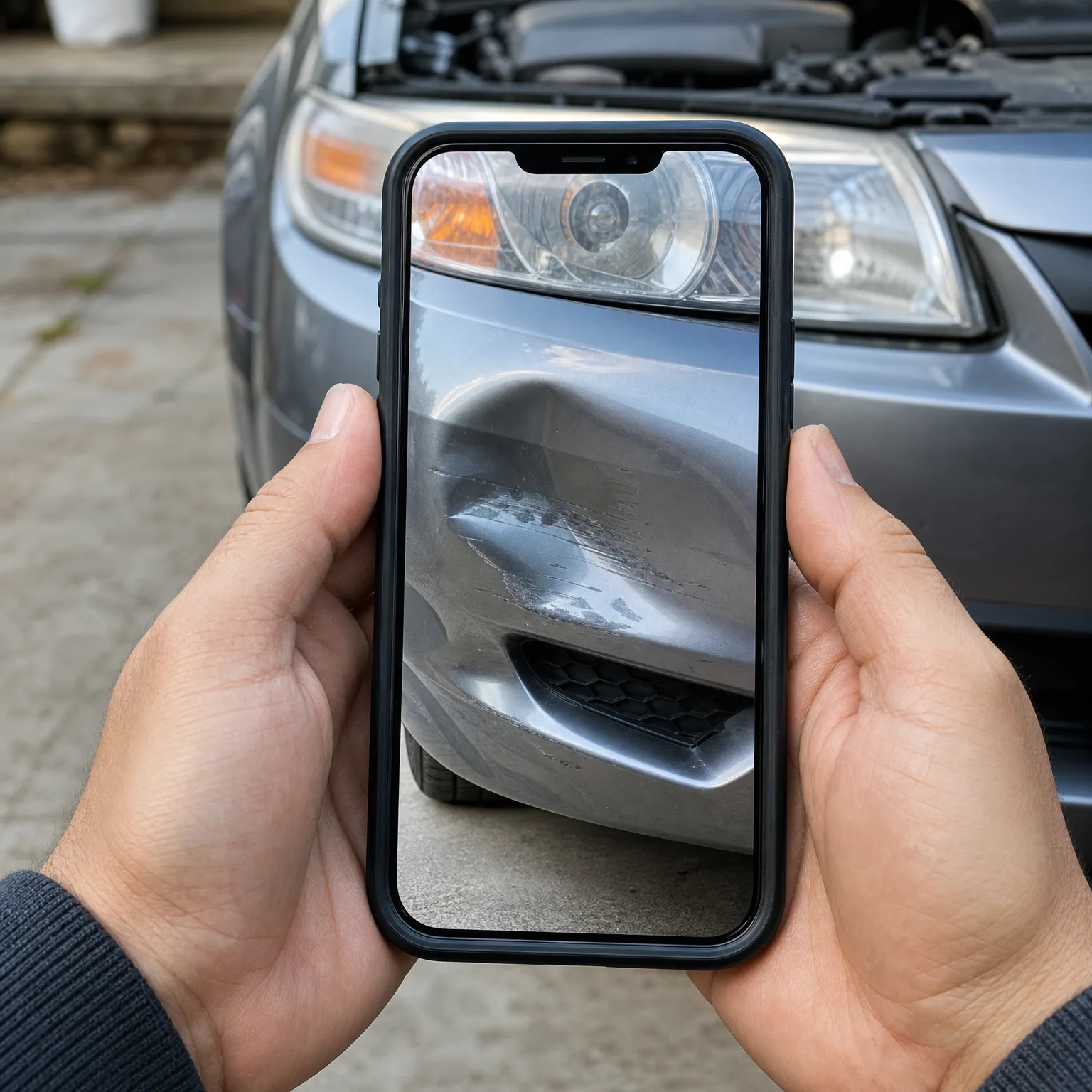
- Disputes are common Insurers sometimes disagree on the split and negotiate or involve arbitration. Keep your own notes, photos and witness information in case your account is challenged.
Two drivers, one intersection, no clean answer
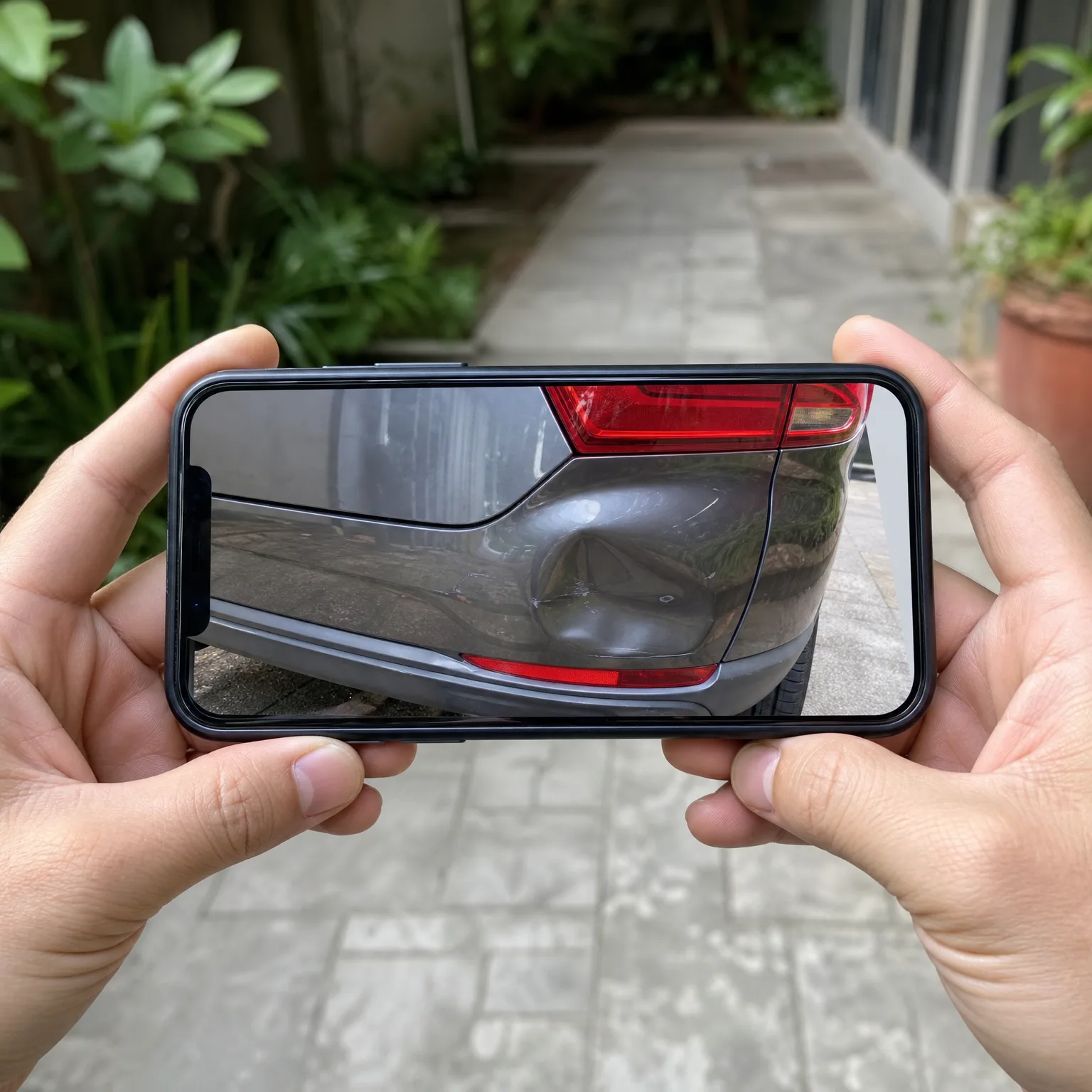
A driver pulls into an intersection on a late yellow light. Another driver, turning left, misjudges the gap and clips the first car's rear quarter panel. Both insurers send adjusters, and neither driver sees themselves as mainly responsible. The adjusters review dashcam footage, the police report and skid marks, and settle on a split finding, assigning more fault to the turning driver but not clearing the other driver completely.
Because of that split, the turning driver's insurer pays most of the repair costs for the other car, while the first driver's insurer covers a smaller share tied to the late light. Each driver still deals with their own insurer for their own vehicle's damage, since fault splits don't erase the usual claims process. At renewal, both see some increase, though the turning driver's is larger given the bigger share of fault. Neither walks away with a clean record, but neither is left fully exposed either.

Once you know how shared fault affects your rate, compare quotes to see what a clean slate would actually cost you.
Will my rate go up even if I was only partly at fault?
Yes, in most cases, though how much depends on your insurer and the size of your share. Insurers generally don't need you to be found entirely at fault before adjusting your premium. Even a modest percentage of blame on your record can trigger a surcharge at your next renewal, because insurers price based on risk shown, not just on who was found completely responsible.
The exact threshold varies by company. Some insurers only raise rates once your share crosses a certain point, while others adjust for any assigned fault at all. If you want a clear answer for your situation, ask your agent directly how your insurer treats partial fault findings, since this is one of the details that isn't standard across the industry.

Fault isn't all or nothing, so track your own share instead of waiting to see who gets fully blamed.
Can I still sue the other driver if we're both at fault?
Possibly, but it depends on your state's rule for shared fault and how much blame you're assigned. Some states cut off your right to recover damages if your share crosses a certain line, while others let you recover a reduced amount regardless. Check your state's specific fault rule, since this single detail changes whether a lawsuit is worth pursuing at all.
Does a shared fault accident count as an at fault accident on my record?
Yes, any percentage of assigned fault typically shows up as an at fault accident on your driving record. Insurers don't usually distinguish between full and partial fault when reporting the accident itself, only when calculating your rate increase. Ask your insurer directly how they log partial fault, since this affects how future insurers see your history too.
What if the other driver's insurer disagrees with my insurer about who's more at fault?
The two insurers negotiate directly, sometimes using an industry arbitration process instead of involving you. You may get updates but rarely need to argue the split yourself. Keep your own documentation ready in case either side asks for your account, and ask your adjuster how disputes like this typically get resolved for your type of claim.