What Happens if an Uninsured Driver Hits Me
If an uninsured driver hits you, your own uninsured motorist coverage pays for your injuries and damage, not theirs.

A driver ran a red light with no insurance at all
A woman was stopped at a light when another car ran the red and hit her from the side. The other driver admitted fault on the scene, but when she called to report the crash, it turned out his policy had lapsed two weeks earlier. He had no coverage at all. She filed a police report immediately, which turned out to matter later because her insurer asked for it before opening the claim.
She called her own insurer and opened a claim under her uninsured motorist coverage. They asked for the police report, photos from the scene, and a repair estimate. Her car was fixed and her medical bills from the ER visit were covered, minus her deductible. Her rate did not go up, since the crash wasn't her fault. The whole process took a few weeks, and the only real cost to her was the deductible she'd chosen when she bought the policy.

The short version
If the other driver has no insurance, your own uninsured motorist coverage pays for your injuries and often your car, not theirs. File a police report right away and call your insurer before anything else. Check your policy to confirm you have this coverage, since it isn't required everywhere.
Will my rates go up if I use my own uninsured motorist coverage?
Generally no. Rate increases are tied to fault, and if the other driver caused the crash, using your uninsured motorist coverage shouldn't be treated like an at-fault claim by your insurer.
That said, this varies by insurer and sometimes by state, so it's worth checking your policy's language or asking your agent directly. Some insurers look at total claims history over time, even on no-fault claims, when they review your account at renewal. If that worries you, ask your insurer plainly before you file whether this specific type of claim affects your rate, so you know what to expect instead of guessing.
Now that you know your own coverage protects you here, compare quotes to make sure that protection is strong enough.
What to do right after the crash and what it depends on
- File a police report This creates an official record of fault and that the other driver was uninsured. Most insurers ask for it before they'll open your claim, so get one even for a minor-seeming crash.
- Check your own coverage first Your policy may or may not include uninsured motorist protection, since it isn't required everywhere. Pull up your declarations page or call your agent to confirm before you assume you're covered.
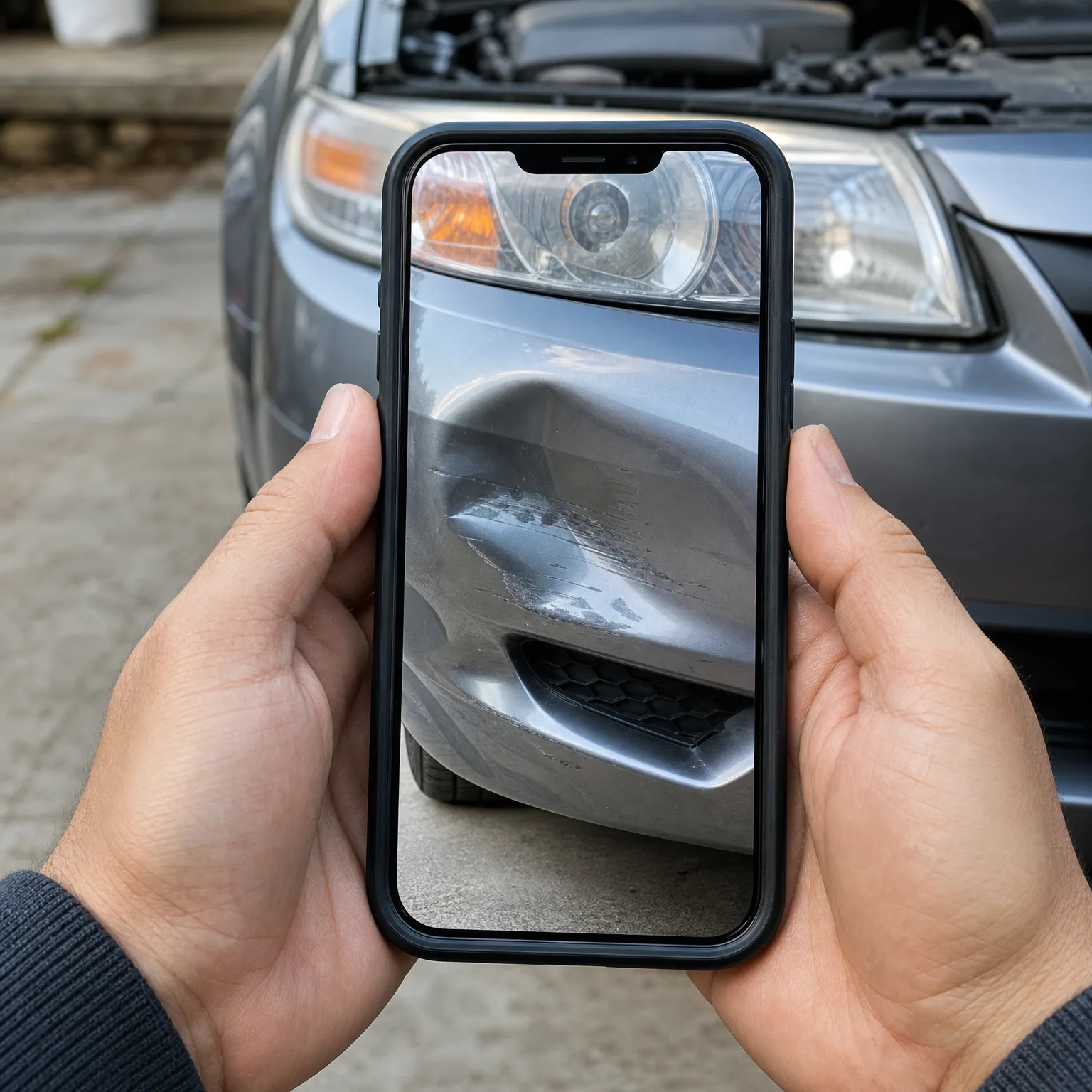
- Document everything at the scene Take photos of both cars, the road, and any visible injuries before you leave. This becomes your evidence if the other driver later disputes fault or denies they were uninsured.
- Know your deductible applies Even when the crash isn't your fault, you'll likely still pay your deductible before your coverage kicks in. Ask your insurer whether any of that cost can be recovered later.
- Get medical care documented If you're injured, see a doctor and keep every record, even if you feel fine at first. Insurers rely on medical documentation to decide what your claim is worth.
Can I sue the uninsured driver directly instead of filing a claim?
Yes, you can, but it rarely pays off quickly or fully. If someone has no insurance, they often don't have the money to cover a judgment either, which is exactly why uninsured motorist coverage exists. Suing can still make sense if the person has real assets worth pursuing, but check with a lawyer before spending time and money on it. Most people find their own coverage resolves things faster and more reliably.
What if the uninsured driver flees the scene?
This is treated as a hit and run, and your uninsured motorist coverage still applies in most cases. Report it to police immediately, since the report documenting a fleeing vehicle is often required by insurers to process this type of claim. Check your policy to confirm hit and run incidents are included, as some policies handle them slightly differently than standard uninsured motorist claims. Acting fast and documenting everything matters even more here, since there's no other driver to confirm what happened.
Does uninsured motorist coverage pay for my car or just my injuries?
It depends on your policy and sometimes on your state, so check which type of uninsured motorist coverage you have. Some policies cover injuries only, while others include property damage too, sometimes under a separate part of the policy entirely. If your policy doesn't include property damage, your own collision coverage may still pay for your car, usually with a separate deductible. Review your declarations page or call your insurer to see exactly what's included before you assume either way.