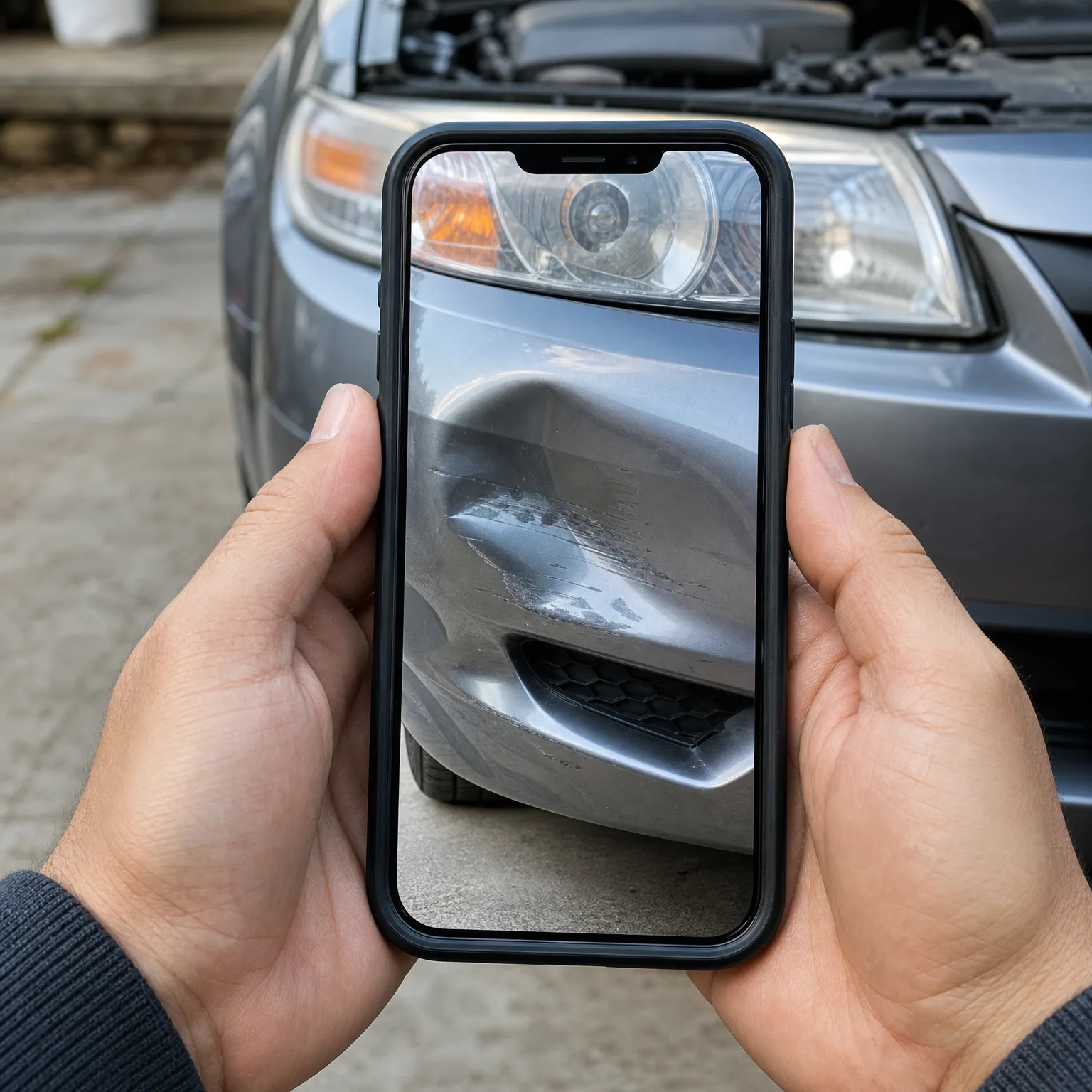
What Happens if an Excluded Driver Drives My Car
If an excluded driver crashes your car, your insurer can refuse the claim entirely and you pay for everything yourself.
An excluded driver has no coverage under your policy, period
- No claim gets paid The insurer treats the car as if it had no coverage during that trip. You're responsible for the other driver's damage, medical bills and your own repairs.
- You can still get sued If someone is hurt, the injured party can sue you and the excluded driver personally. Without insurance backing you, a lawsuit can reach your savings and future wages.
- Your policy may get cancelled Letting an excluded person drive can count as violating the policy terms. Some insurers cancel coverage entirely once they learn it happened, not just deny the one claim.
- Lying about it backfires If you tell the insurer someone else was driving to avoid this, that's insurance fraud. Insurers investigate serious claims and discovering a lie voids everything, even the parts that were true.
- Exclusions don't expire alone The exclusion doesn't fade or soften over time. The only way to remove it is to formally ask your insurer to take that person off the list.
Does it matter if I didn't know they were driving?
No. The exclusion applies to the person, not to your permission or awareness. If you lent your keys to someone else and they let the excluded driver take the wheel, or the excluded driver took the car without asking, the outcome is the same. Your policy still won't pay for anything that happens while that specific person is driving.
This surprises a lot of people because car insurance is often assumed to follow the car, covering whoever is behind the wheel with permission. Excluded drivers break that assumption on purpose. The insurer agreed to lower your rate specifically because that person would never be covered, so there's no scenario where ignorance of the situation changes what gets paid. If there's any chance the excluded person will have access to the car, even occasionally, that risk needs to be solved before it happens, not explained afterward.

Once you know who's excluded and why, compare quotes to see what covering everyone in your household actually costs.

Keeping someone on the exclusion versus removing them
If you do
If you keep them excluded and they never drive your car, nothing changes. Your rate stays lower because the riskiest driver in the household isn't covered at all, and you avoid paying for their driving history.
If you don't
If they end up driving anyway, even once, you're exposed to the full cost of any accident with zero coverage. One bad incident can cost far more than years of the higher premium would have.
When a roommate situation went wrong
A woman excluded her roommate from her policy after he'd had two at-fault accidents in the past few years. It kept her premium manageable and he had no plans to drive her car regularly. One weekend she was out of town and left her spare key with him in case he needed to move the car for street cleaning. He ended up taking it to run an errand and rear-ended another vehicle at a stoplight.
She called her insurer expecting at least partial coverage since it was her car and her policy. The insurer reviewed the claim, confirmed he was named as an excluded driver, and denied it outright. She had to pay for the other driver's car repairs and her own out of pocket, then dealt with a small claims situation when the other driver wasn't satisfied with the settlement. Afterward she removed the exclusion and accepted a higher premium, deciding the certainty was worth more than the savings given how often he ended up near her car.
Can I add a driver back after excluding them?
Yes, you can ask your insurer to remove the exclusion at any time, though your premium will likely increase to reflect that driver's history. The process usually just requires contacting your insurer and signing updated paperwork. Check how much the removal raises your rate before deciding, since in some cases a separate policy for that driver ends up cheaper than adding them back to yours.
Does excluding a driver affect who can be listed on the car's title?
No, excluding a driver on your insurance policy has nothing to do with who owns the car or whose name is on the title. Title and insurance are handled separately. You can exclude someone from driving coverage while they still co-own the vehicle, though that combination creates its own complications if they ever do drive it.
What if the excluded driver has their own insurance policy?
Their own policy almost never covers them while driving your car, since most policies follow both the driver and the specific vehicle listed on it. Check the other policy's language on using a non-owned vehicle, but assume it won't help unless you've confirmed otherwise in writing from that insurer.