What Happens if a Car Is Insured but the Driver Is Excluded
The car is covered for everyone except the one person named as excluded, and for them, there is no coverage at all.
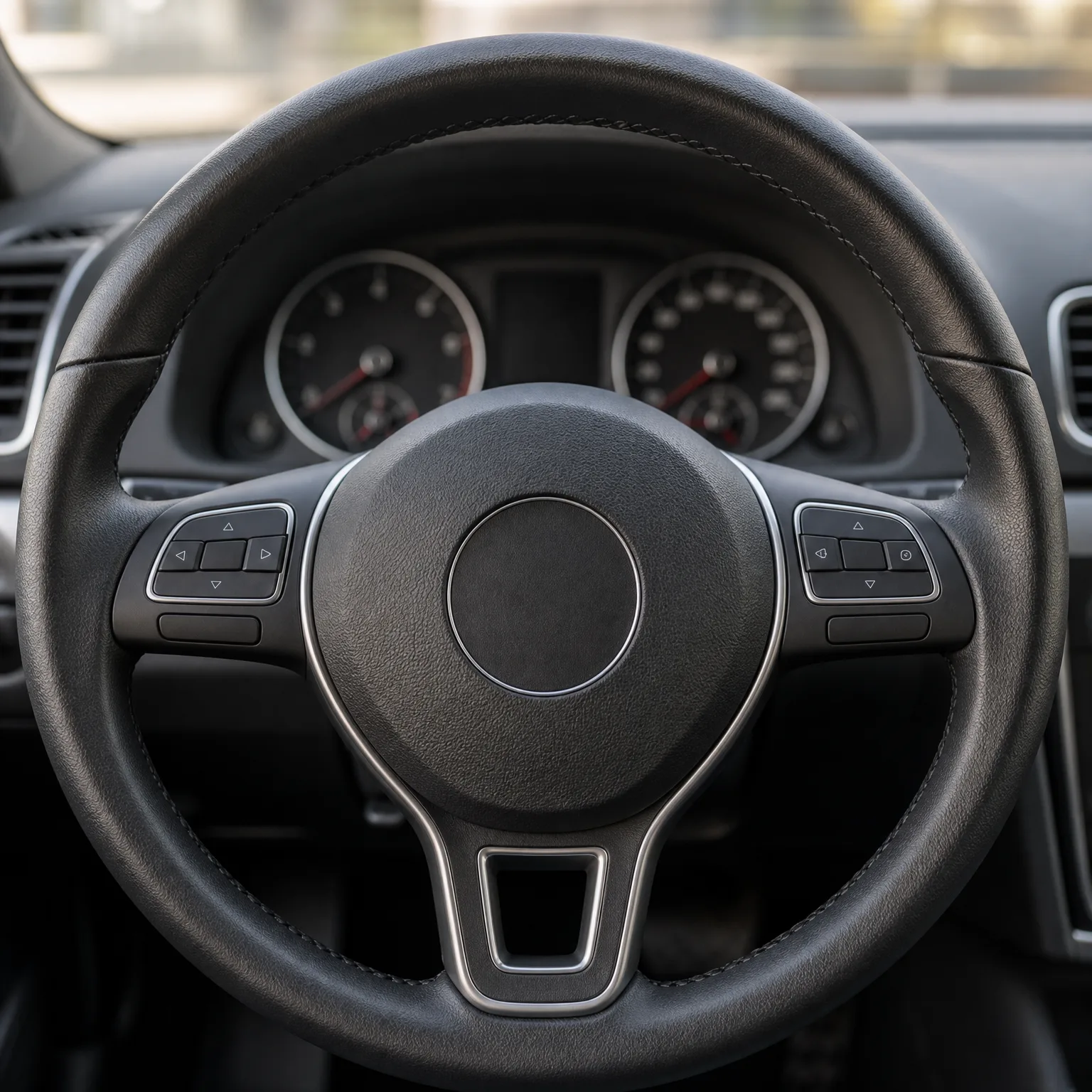
A husband excluded after a license suspension
A married couple had one car and two names on the policy. The husband had a suspended license from a prior violation, and the insurer would only issue the policy if he was listed as an excluded driver. His wife was the only one allowed to drive the car, and they kept it that way for almost a year while he worked through the suspension. They told their adult son, who sometimes stayed with them, that he couldn't borrow the car either, since the exclusion applied no matter who else might ask to drive it.
One evening the husband drove the car a few blocks to move it off the street during a storm, and another driver hit him at an intersection. The claim was denied in full because he was the excluded driver behind the wheel, regardless of how short the drive was or why he made it. They ended up paying for the damage to their own car and faced a liability claim from the other driver out of pocket. Once his license was reinstated, they removed the exclusion and his name went back on the policy as a covered driver.
Can an excluded driver ever be covered in an emergency?
No. There is no emergency exception written into how exclusions work. An exclusion is a specific agreement that the insurer will not provide coverage for that person under any circumstances, and insurers hold to that regardless of how urgent or minor the situation seemed.
This surprises people because other parts of a policy do flex for emergencies, like permissive use of a car by a friend. Exclusions don't work that way because they exist specifically to remove one person from the pool of risk the insurer agreed to cover. If that person drives anyway, the insurer treats it the same as someone with no policy at all driving that car. The only way around this is to remove the exclusion ahead of time, which means re-underwriting that driver and almost always paying a higher premium to include them again.
Once you know who needs to be excluded and who needs coverage, compare quotes to see what that household costs.

Letting the excluded driver get behind the wheel
If you do
If the excluded driver drives the insured car and causes damage, the insurer denies the claim completely, for both the other car and your own. You pay out of pocket for everything, and the other driver can come after you personally for their losses, including through a lawsuit.
If you don't
If you keep the excluded driver out of that car entirely, the policy works normally for everyone else listed on it. You get the lower premium that came from excluding the risky driver, and no claim is ever at risk because of who was driving.
Why the exclusion removes coverage instead of just raising the cost
An insurer prices a policy based on who is expected to drive the car. When one person has a history that makes them expensive to insure, like a serious violation or a pattern of accidents, the insurer offers a choice. Either that person's risk gets priced into everyone's premium, or that person is removed from the pool entirely through a signed exclusion. The household keeps a lower rate, but only because the insurer no longer carries any risk for that one driver.
This is different from simply not listing someone as a regular driver. An unlisted driver might still get coverage under permissive use if they borrow the car occasionally. An excluded driver has none of that protection, because the exclusion is a specific written agreement that overrides permissive use entirely. The insurer treats their driving of that car the same as if the car had no insurance at all.
What varies is how the exclusion interacts with other coverage types, like whether the other driver's liability coverage can step in, or whether your own uninsured motorist coverage applies in the aftermath. This depends on your state and your specific policy, so check with your insurer or agent about how claims involving an excluded driver are actually processed in your situation.
The exception that trips people up is a one-time drive that seems harmless, moving a car, running an errand, or an emergency. None of that matters to how the exclusion is enforced. The agreement doesn't distinguish between a long trip and a short one, or between routine driving and a crisis. It only asks whether the excluded person was the one driving.
An exclusion isn't a discount with a loophole. That person has zero coverage, no matter the reason they drove.