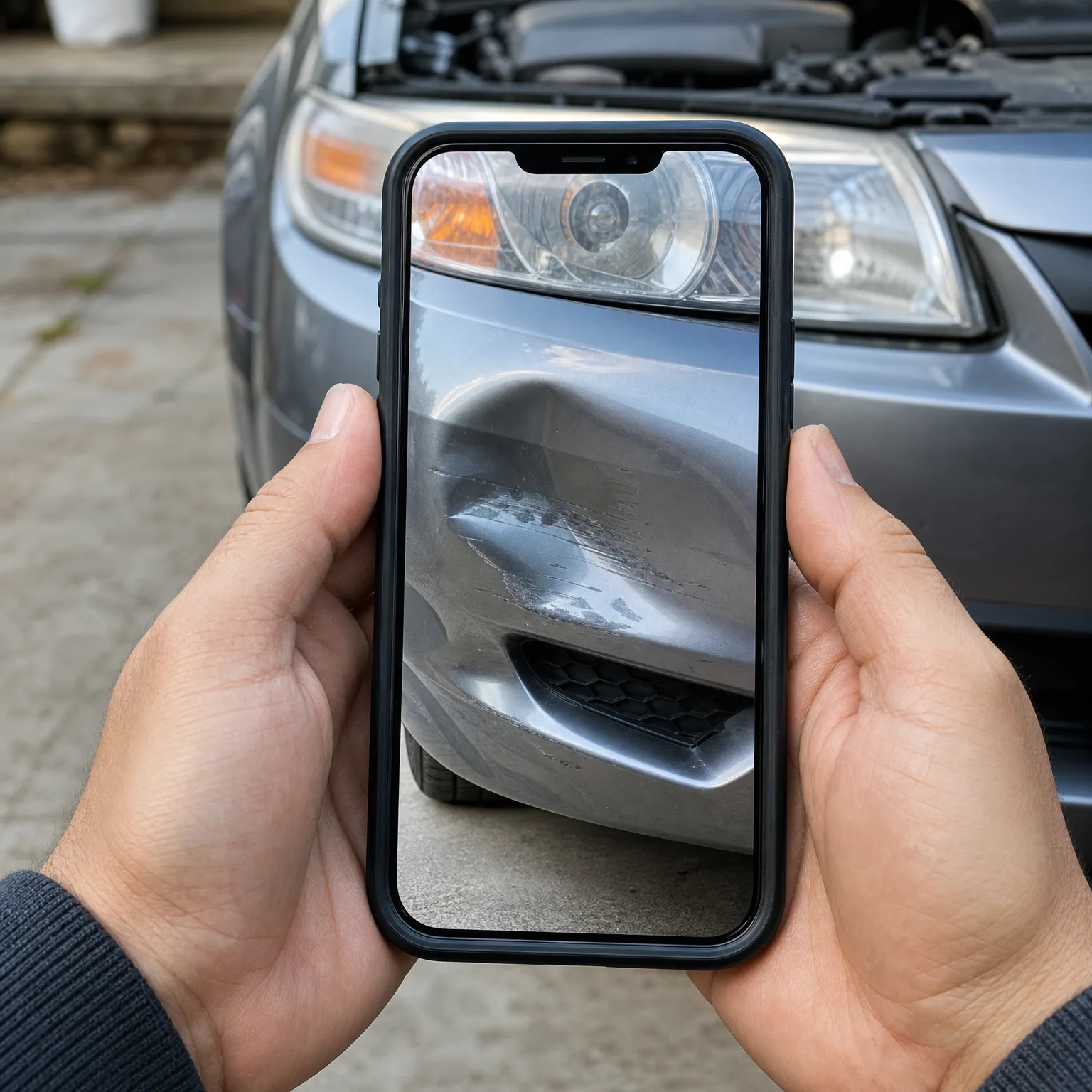
What Does It Mean to Exclude Someone From Car Insurance
Excluding someone means your insurer will not pay a claim if that person drives your car, even in an emergency.
Why exclusions exist and what they really change
An exclusion is a signed agreement that one specific named person is removed from coverage on a policy, even though they live with you or are related to you. Insurers ask for this when someone in the household has a record that would raise the cost of covering the car, and the other person wants to keep their own rate based on their own driving history alone. Once that name is excluded, the insurer treats any accident involving them behind the wheel of your car as if there were no policy at all.
This matters for a married couple because insurers usually expect everyone living in the home to be listed on the policy or formally excluded. You cannot just leave someone off the paperwork and hope it does not come up. If the excluded person ever drives the insured car and causes damage, the household absorbs the entire cost, repairs, injuries, everything, with no insurer stepping in.
The upside is real when one partner has a clean record and the other does not. Excluding the higher risk driver can keep the clean driver's rate from rising, sometimes substantially. But that protection only works if the excluded person truly never drives that car, not even to move it in the driveway or run a short errand while the other person is busy.
Where this gets complicated is state rules. Some states limit who can be excluded, restrict exclusions on spouses specifically, or require extra forms. Check with your insurer before assuming this option is available to you, and ask directly how claims are handled if the excluded person is a passenger instead of the driver.
The short version
Excluding someone means they are not covered at all when driving that car, not even partially. It can protect a clean driving record from a partner's bad one, but only if the excluded person never actually drives the insured vehicle. Confirm your state allows spousal exclusions before relying on this.

One partner's record, one shared car
A newly married couple owned one car, titled to the husband, who had a recent at fault accident. His wife had never filed a claim and worried his history would raise her rate if they combined policies under her name. They called their insurer and asked whether excluding him from her policy would keep her rate based on her record alone.
The insurer confirmed it was possible in their state, with a signed form naming him as excluded. They agreed he would only drive his own older car, kept separately insured, and never touch the one under her policy. Her rate stayed tied to her own history, and six months later nothing had changed hands that triggered a claim, because they stuck to the agreement without exception.
Now that you know what an exclusion really locks in, compare quotes to see which setup actually costs less.
Can we switch back and add the excluded person later?
Yes, you can usually add someone back to a policy whenever you want, but the rate will reflect their driving record at that time, not before. If their record has improved, the increase may be smaller than it would have been earlier. If they've had another incident while excluded, adding them later could cost more than if they'd simply stayed on the policy from the start.
Timing the switch is worth thinking through with your insurer directly, since some will recalculate the whole policy rather than just adding one person. Ask what documentation they need and whether there's a waiting period. This is one of those details that varies by insurer, so get it in writing before you count on it.
An exclusion only works if it's absolute. One ride in that car by the excluded person undoes the whole plan.
Does excluding my spouse affect whose name is on the car title?
No, excluding someone from insurance has nothing to do with the title. Title ownership is a separate legal record showing who owns the car, while an exclusion only affects who is covered to drive it under that specific policy. You can be excluded from a policy and still legally own the car, which is an important distinction if something happens to the vehicle itself, like theft or a weather event, since that kind of claim isn't about who was driving.
What happens if the excluded driver has an emergency and has to drive the car anyway?
There is no coverage for that trip, regardless of the reason. Insurers treat the exclusion as absolute, so even a genuine emergency, like driving an injured family member to urgent care, leaves you fully responsible for any resulting damage or injury claims. If this risk feels too real for your household, an exclusion may not be the right tool, and it's worth asking your insurer about other ways to manage the rate difference instead.
Does excluding a driver lower our rate more than separate policies would?
It depends on how different your driving records are and how your insurer prices combined households, so there's no single answer. Ask for a quote both ways, combined with an exclusion and fully separate, before deciding. The right choice shifts based on whose name is on which car, how often each of you actually drives, and whether your state allows spousal exclusions at all.