What Does Garaging Address Mean for Car Insurance
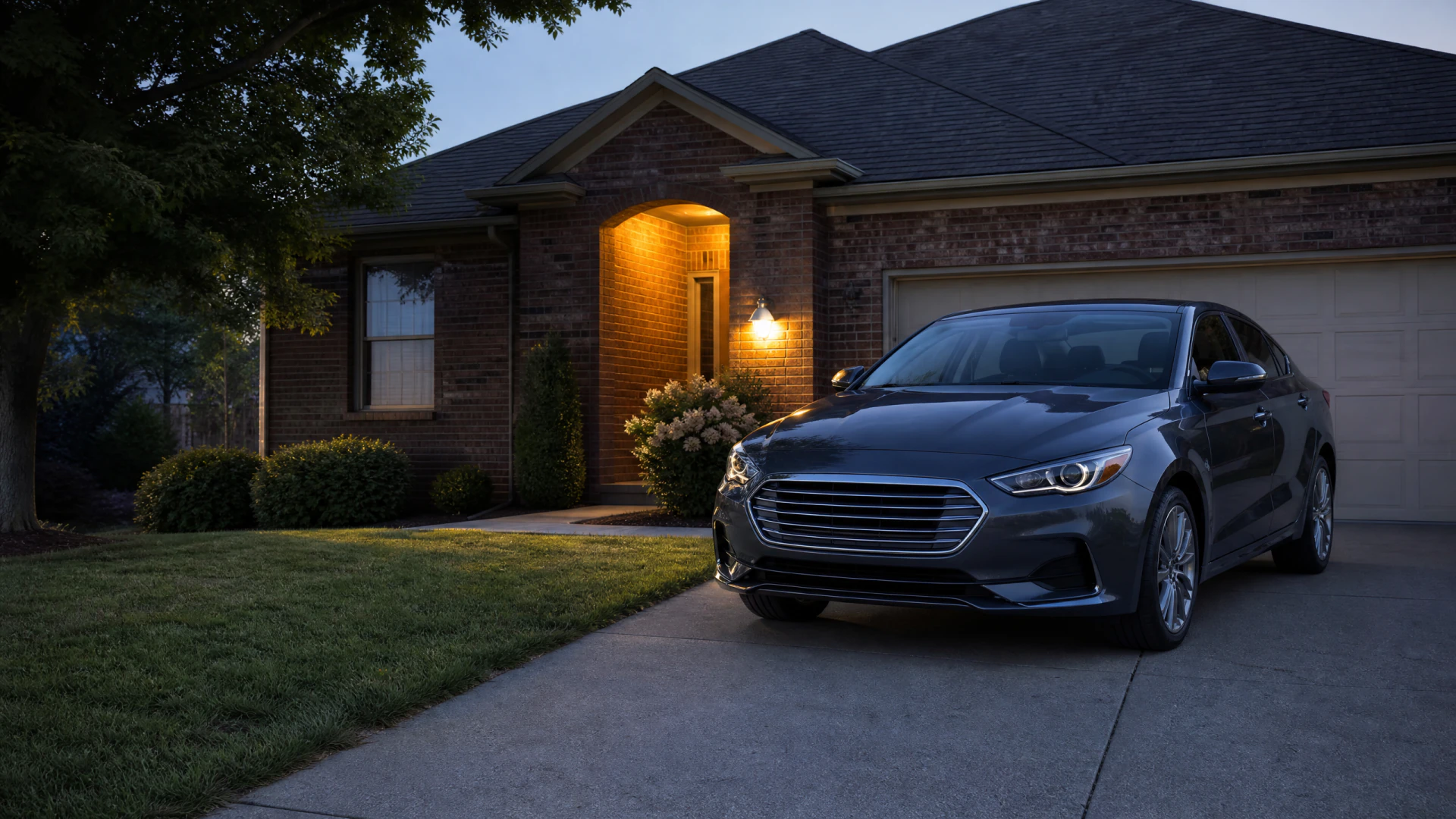
Your garaging address is the place your car is parked overnight most of the time, and it's a main factor in what you pay.

What garaging address actually controls
- It's about the car Each vehicle on a policy has its own garaging address. If you and your spouse keep separate cars at separate places, that matters more than whose name is on the policy.
- It drives location pricing Insurers price risk partly on where a car sits overnight, since that affects theft, vandalism, and claim patterns in that area. Give the address where the car truly stays most nights.
- Not the same as mailing address Your mailing address can be a PO box or a parent's house, but your garaging address has to be where the car is actually kept. Mixing these up can cause problems later.
- Must match reality Listing a cheaper area than where the car actually stays is considered misrepresentation. Check each car's actual overnight location before combining policies, especially if one of you works away from home.
- Can change when merging When you merge policies after marriage, both cars usually move to the same household address unless one of you genuinely keeps a car elsewhere. Tell your insurer the true situation for each vehicle.
What if we each still keep a car at a different address?
That's fine, and it's common right after marriage. If one spouse's car stays overnight at a parent's house, a second residence, or a different city for work, that car can keep its own garaging address even though you're combining policies.
What matters is honesty about where each car actually sleeps most nights, not where you wish it slept for a better rate. Insurers allow multiple garaging addresses on one combined policy, since the point is accuracy, not uniformity.
If your situation is temporary, like a short stretch of long-distance work or finishing a lease before moving in together, say that too. Many insurers want to know if the arrangement is expected to change soon, since that can affect how they classify the risk going forward.

Should you update your garaging address now
If you do
You give the insurer accurate information before merging policies, so pricing reflects where each car really sits overnight. This avoids a mismatch that could cause a denied claim or a premium correction later. It also sets up the household move cleanly, with no leftover confusion about old addresses once you combine coverage.
If you don't
Your policy still reflects an old or inaccurate address, which can quietly skew your combined rate or create a problem if you ever file a claim. An insurer that discovers a mismatch between stated and actual garaging address can treat it as misrepresentation, which puts coverage at risk exactly when you need it most.
Once you know where each car is really garaged, compare quotes with that detail locked in so your rate reflects reality.
Why location shapes the price this much
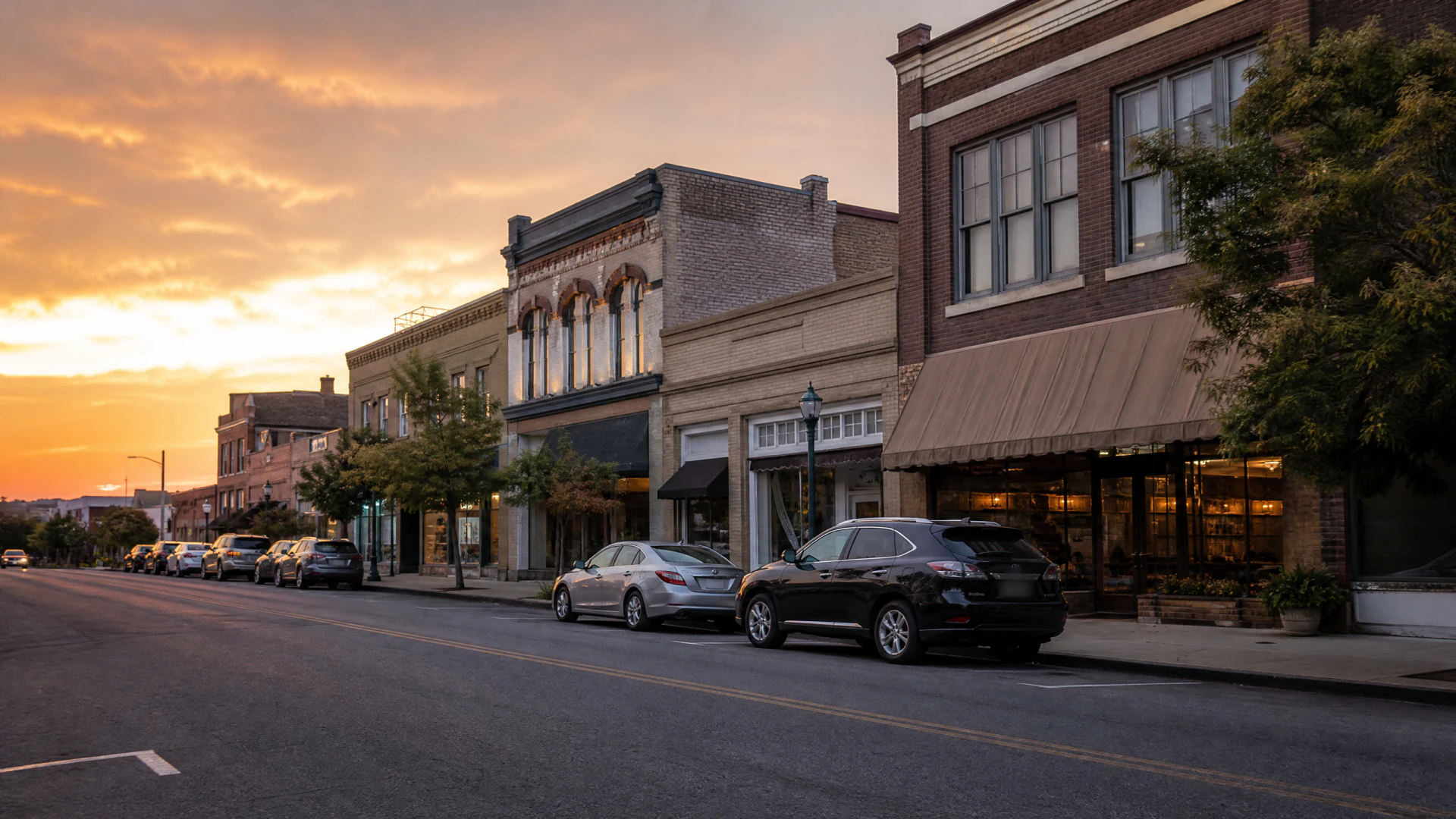
Insurers build their pricing around risk, and where a car spends its nights is one of the clearest risk signals they have. An area with more break-ins, more severe weather, or more accidents on the roads nearby means more expected claims, so the address tied to the car carries real weight in the math.
This is also why garaging address is separate from mailing address. You could have mail sent to a work office or a family member's house, but the car itself is what's being insured, and it's parked somewhere specific every night. Insurers care about that physical reality, not your correspondence habits.
When married couples merge policies, this becomes relevant because each of you might be coming from a different address with a different risk profile. One area might have a higher theft rate or a higher accident frequency than the other, and that difference can show up in the combined premium even after you're legally one household.
Where this plays out differently is for couples who aren't fully moved in together yet, or where one spouse's job keeps a car elsewhere for stretches of time. Insurers vary in how they handle multiple garaging addresses on a joint policy, and some ask for documentation if the address differs from the named insured's home. Check with your insurer directly about what they require before you combine policies, since the process isn't identical everywhere.
The address on your license doesn't set your rate, the address where your car actually sleeps does.