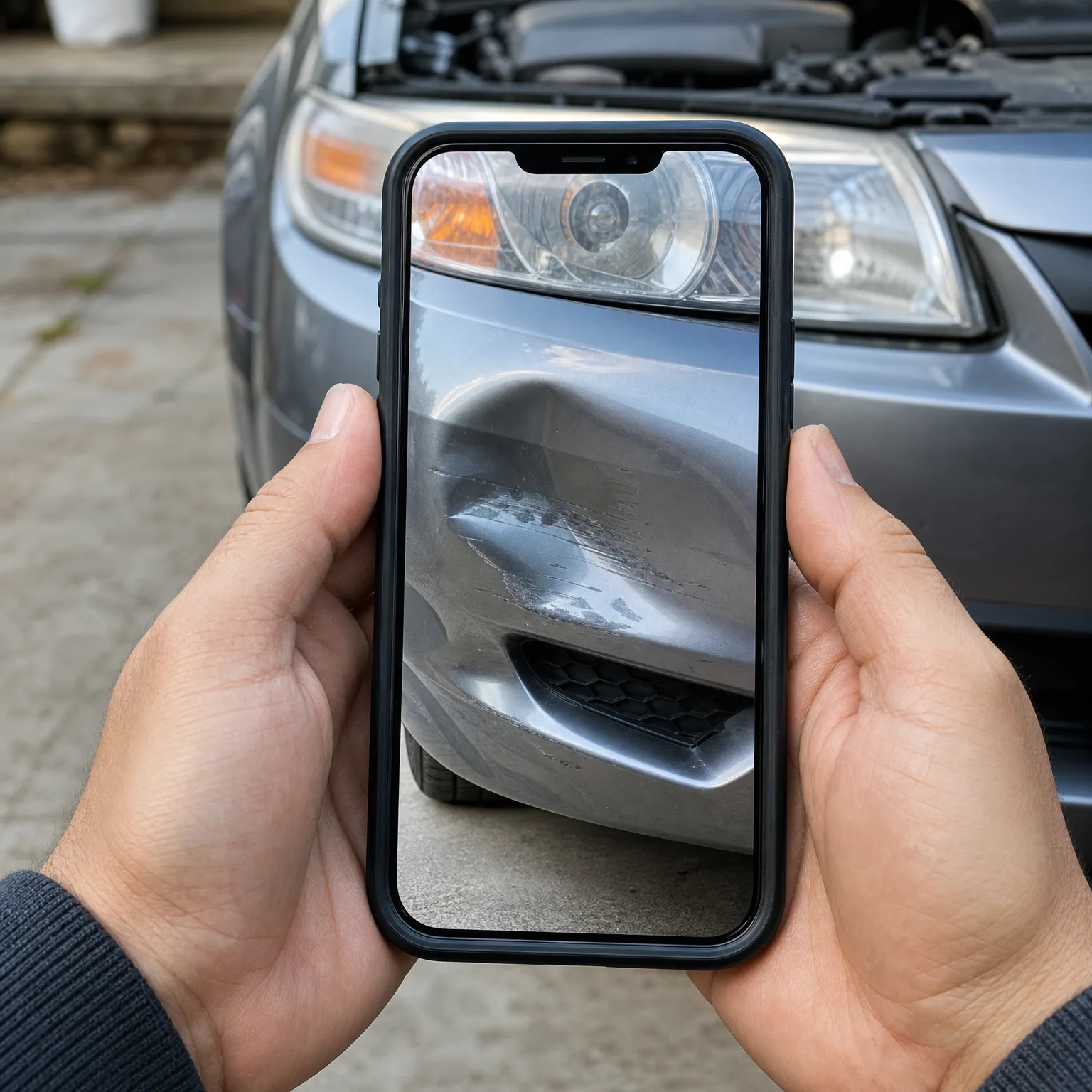
What Does a 100,000 Combined Single Limit Mean
It means one shared 100,000 dollar pool covers all injury and property costs from an accident you cause, not separate limits for each.
One number replaces several, and that changes how claims get paid
Most policies split liability coverage into separate limits, one amount for injury per person, another for total injuries per accident, and another for property damage. A combined single limit folds all of that into one number. Whatever you cause in a single accident, whether it's medical bills, lost wages for the other driver, or damage to their car or someone's fence, gets paid out of that same 100,000 until it runs out.
This matters most when an accident is bad enough that split limits would leave gaps. If you hurt one person badly and also total their car, a split-limit policy might cap the injury payout low and leave the property damage fighting over what's left under a separate cap. A combined single limit doesn't care how the 100,000 gets divided between injury and damage. It just pays claims in the order they come until the money is gone.
The tradeoff is that one bad claim can use up the whole limit faster than it would under split limits, because there's no wall separating injury money from property money. If you hurt two people and wreck two cars in one accident, all four claims draw from the same 100,000. That can run out quicker than a split policy with separate injury and property caps.
Whether combined single limit coverage is offered, and how it's priced against split limits, depends on your state and your insurer. Some states default to split limits and treat combined single limit as an upgrade. Others structure it the opposite way. Ask your insurer directly which structure your policy uses and what your state allows, because the label alone won't tell you.
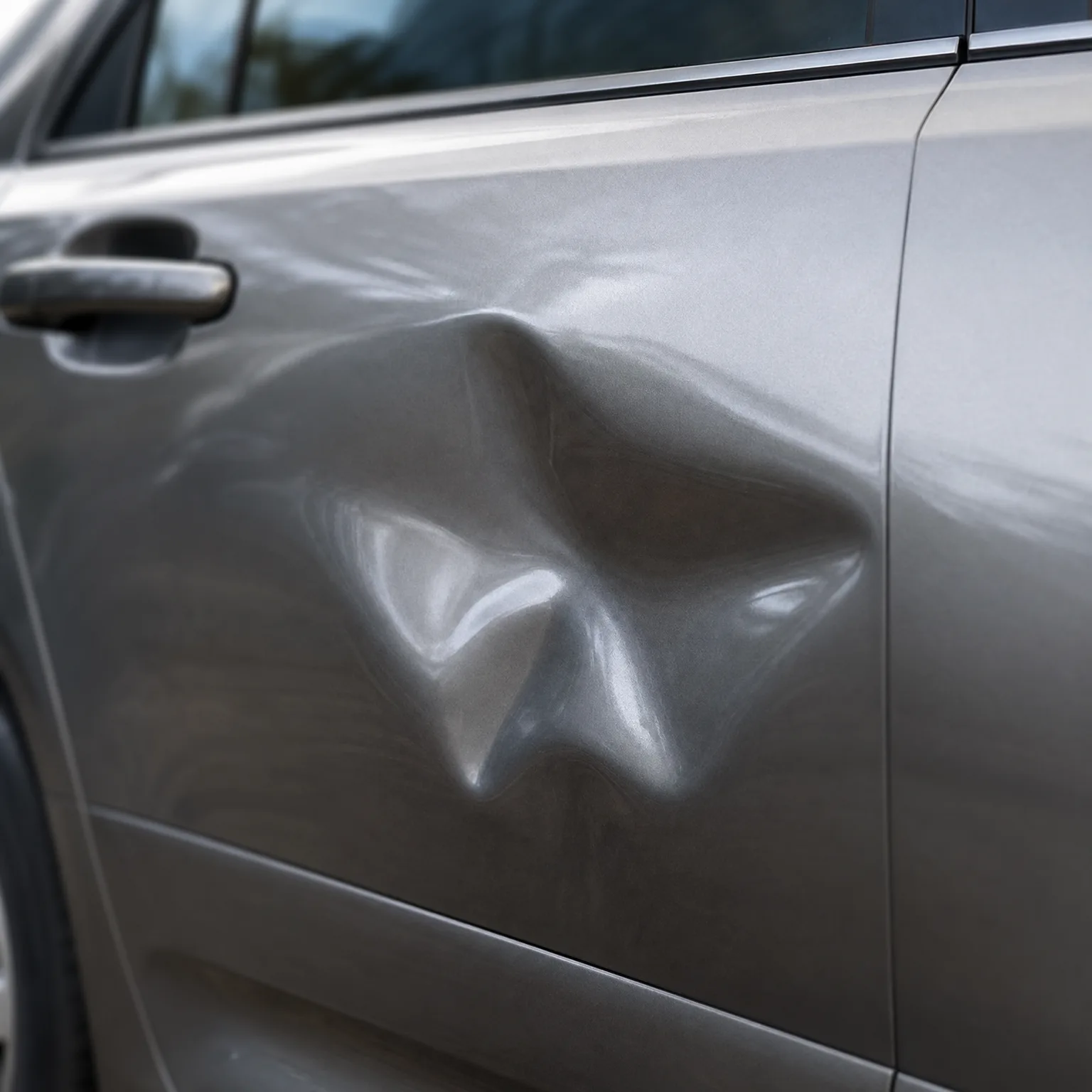
A rear-end accident that involved a person and two vehicles
Say you rear-end another car at a stoplight. The other driver has whiplash that needs physical therapy, and their car needs a new bumper and trunk repair. Under split limits, the injury claim and the property claim would draw from two separate pots of money, each with its own cap. If the injury claim ran high, it wouldn't matter that the property damage was cheap. The caps don't share.
Under a 100,000 combined single limit, both claims come out of the same pot. The injury claim gets paid first as the medical bills come in, then the body shop estimate gets paid out of what's left. In this case, the total between the two claims came to under 100,000, so everything got covered and you never saw a bill. The only thing that would have changed the outcome is if the injury had been more serious, since then the property claim would have had less to draw from before the limit ran out.

Deciding whether to choose a combined single limit
If you do
You get one flexible pool of money that pays out based on what the accident actually costs, not fixed per-category caps. This tends to help more in serious accidents involving both injury and major property damage, since money isn't stuck in a separate bucket it can't reach.
If you don't
You keep separate limits for injury and property damage, each with its own cap. This can work fine for minor accidents, but a bad one with high medical costs could hit its own ceiling even while the property limit still has room left unused.
Now you know what this limit covers, so compare quotes to see what it costs against split-limit coverage.
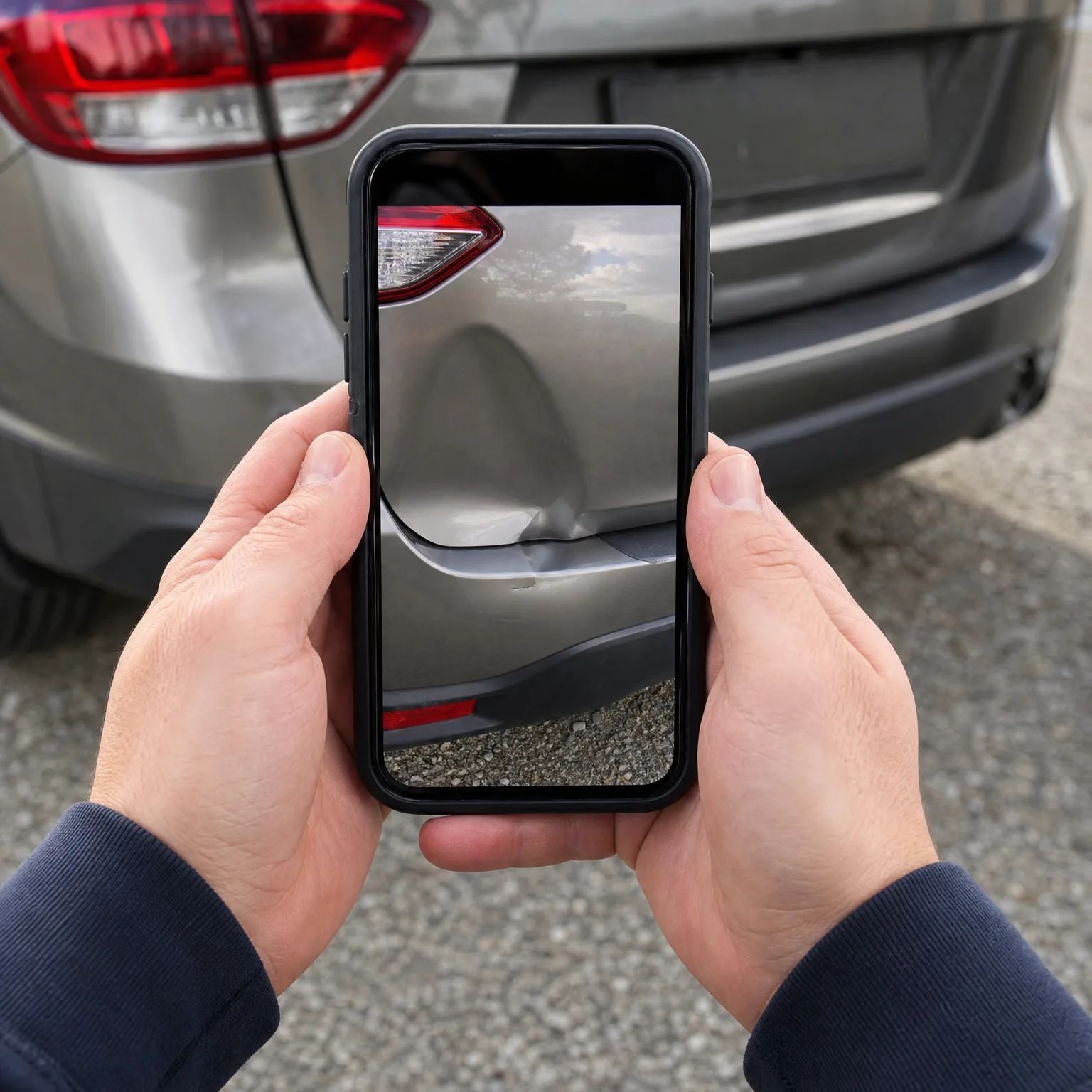
What to check before you decide which structure fits you
- State availability Not every state offers combined single limit as an option. Ask your insurer whether it's available where you live and whether your state has rules about minimums for either structure.
- How claims get paid Ask whether injury claims or property claims get paid first when both come from the same accident. The order can matter if the total claims approach the limit.
- Price difference Combined single limit and split limits with similar totals don't always cost the same. Get quotes for both structures side by side before deciding.
- Your accident risk If you drive in heavy traffic or carry passengers often, a combined limit may handle multi-person accidents better. Think about what kind of accident is realistic for your driving.
- Umbrella coverage fit If you carry or plan to carry a separate umbrella policy, check how it stacks with a combined single limit versus split limits, since the underlying structure can affect how the umbrella applies.

Is a combined single limit better than split limits?
It depends on the kind of accident you're trying to protect against, not on one structure being universally better. A combined single limit tends to work better in accidents that involve both significant injury and significant property damage, because the money isn't walled off into separate caps that can't reach each other.
Split limits can work better when accidents are more likely to be one-sided, mostly injury or mostly property damage, since each category gets its own dedicated cap instead of sharing one pool with everything else. There's no single answer that fits every driver. Ask your insurer to show you real cost comparisons for both structures at similar total coverage amounts, and think honestly about the kind of accidents that are realistic for how and where you drive.