What Does 25/50/25 Mean in Car Insurance
25/50/25 sets a limit for injuries to one person, a higher combined limit per accident, and a separate limit for property damage.
What each number in 25/50/25 actually limits
- First number, per person This caps what your insurer pays for one person's injuries in an accident you cause. If that person's medical bills go higher, you're responsible for the rest out of pocket.
- Second number, per accident This caps the total paid for everyone injured in one accident, no matter how many people. If several people are hurt, this total gets divided among them, not stretched further.
- Third number, property damage This caps what's paid to repair or replace the other person's car or property. A newer or more expensive vehicle can exceed this limit fast, leaving you to cover the gap.
- These are minimums, not goals 25/50/25 is often a state's required floor, not a recommended amount. Check whether your state requires exactly this, since the baseline numbers differ by state.
- It only covers others, not you These limits pay for the other driver's injuries and damage when you're at fault. Your own car and injuries need separate coverage, which this number says nothing about.
Is 25/50/25 enough coverage for you?
For many drivers, no, it's considered thin. These numbers usually mark a legal minimum, not a comfortable cushion, and a single serious accident can blow past them quickly, especially the per-person and property limits if the other car is expensive or injuries are significant.
Whether it's enough depends on what you have to lose. If you own a home, have savings, or a steady income that could be garnished, a judgment above your limits puts those at risk. If you have little in assets, the exposure is smaller but not zero.
Check what higher limits cost compared to 25/50/25. The jump in price is often smaller than the jump in protection, and that gap is worth seeing in actual quotes before deciding what limit fits you.

Deciding whether to raise your limits above 25/50/25
If you do
You pay a bit more each term, but a bad accident won't immediately expose your savings or future wages. Your insurer handles claims up to the higher number, and you have more room before anything comes out of your pocket.
If you don't
You keep the lower premium, but you're betting that you'll never cause an accident serious enough to exceed either the per-person injury limit or the property damage limit. If you do, you're personally on the hook for the difference.
Compare quotes now that you know what 25/50/25 covers and where it falls short.
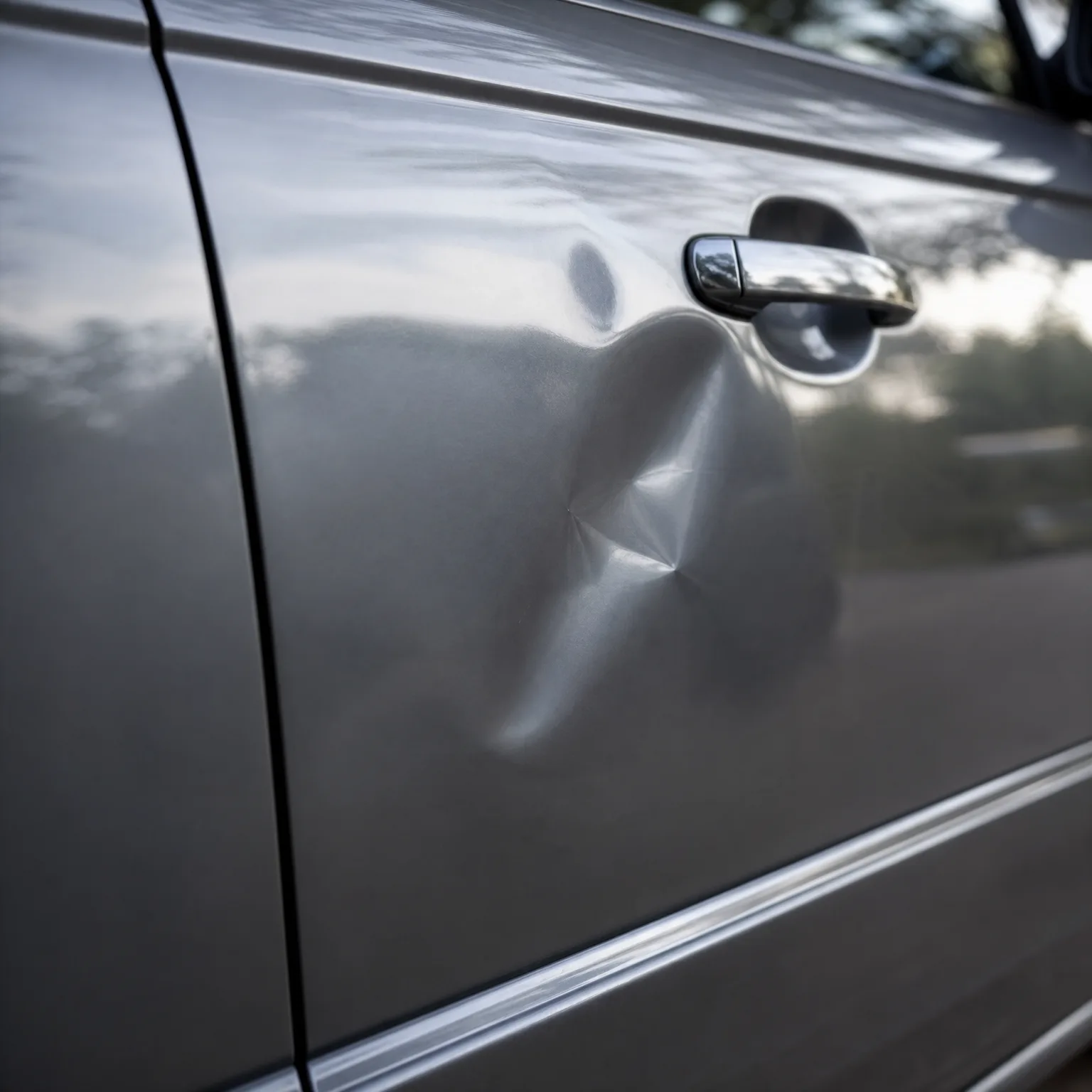
A rear-end accident that outran the limits
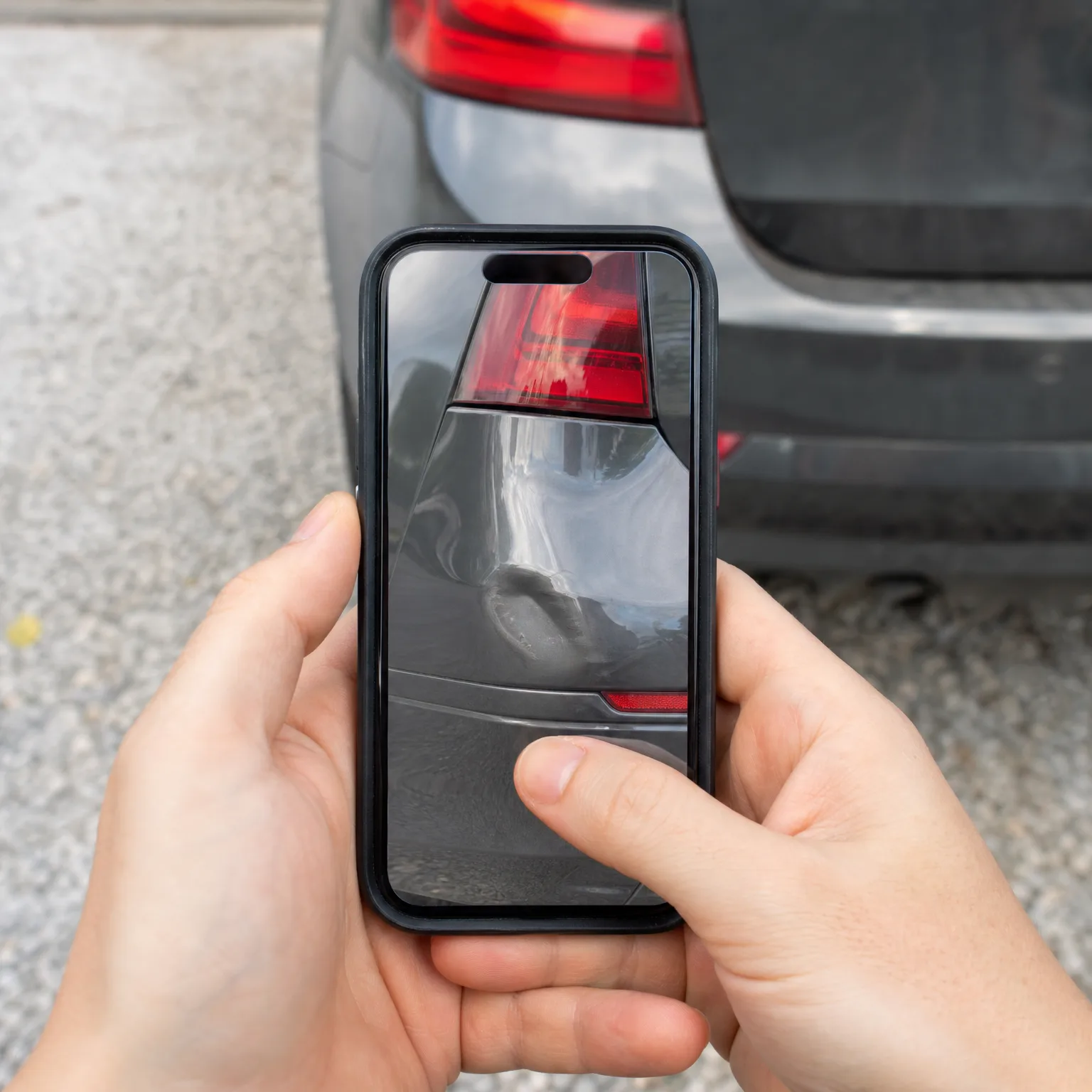
A driver with a 25/50/25 policy rear-ended another car at a stoplight. The other driver needed a short hospital stay and their car, a newer model, was totaled. The medical bills alone came close to the per-person injury limit, and the car's replacement cost crossed the property damage limit on its own.
The property damage limit covered part of the replacement cost, but not all of it. The driver at fault was personally billed for the remainder directly by the other driver's attorney. Because they owned a car and had some savings, those assets were on the table until the balance was settled. Had their property damage limit been higher, the insurer would have absorbed the full repair cost and the driver would have owed nothing extra.
The real risk in 25/50/25 isn't the number, it's what happens the moment a claim goes past it.
What is the difference between 25/50/25 and full coverage?
25/50/25 refers only to liability limits, paying for others when you're at fault. Full coverage adds protection for your own car, typically collision and comprehensive, which 25/50/25 says nothing about. Check your policy declarations page to see whether you have liability only or liability plus coverage for your own vehicle, since the two serve different purposes entirely.
Does 25/50/25 cover my own car if I'm at fault?
No, it only pays for the other driver's injuries and property damage. Your own vehicle needs collision coverage to be repaired after an at-fault accident, and that's a separate line on your policy with its own limit. If you don't carry collision, repairing or replacing your own car after a fault accident comes entirely from your pocket.
How much does raising liability limits above 25/50/25 cost?
It varies by insurer and by your driving record, so the only way to know is to get quotes at a couple of limit levels. Many drivers find the cost difference between 25/50/25 and notably higher limits is smaller than expected, since liability increases are often priced in modest steps rather than doubling the premium.