What Does 25/50/15 Mean on an Auto Insurance Policy
25/50/15 sets what your policy pays per injured person, per accident overall, and for property damage you cause.
Why liability insurance splits into three separate numbers
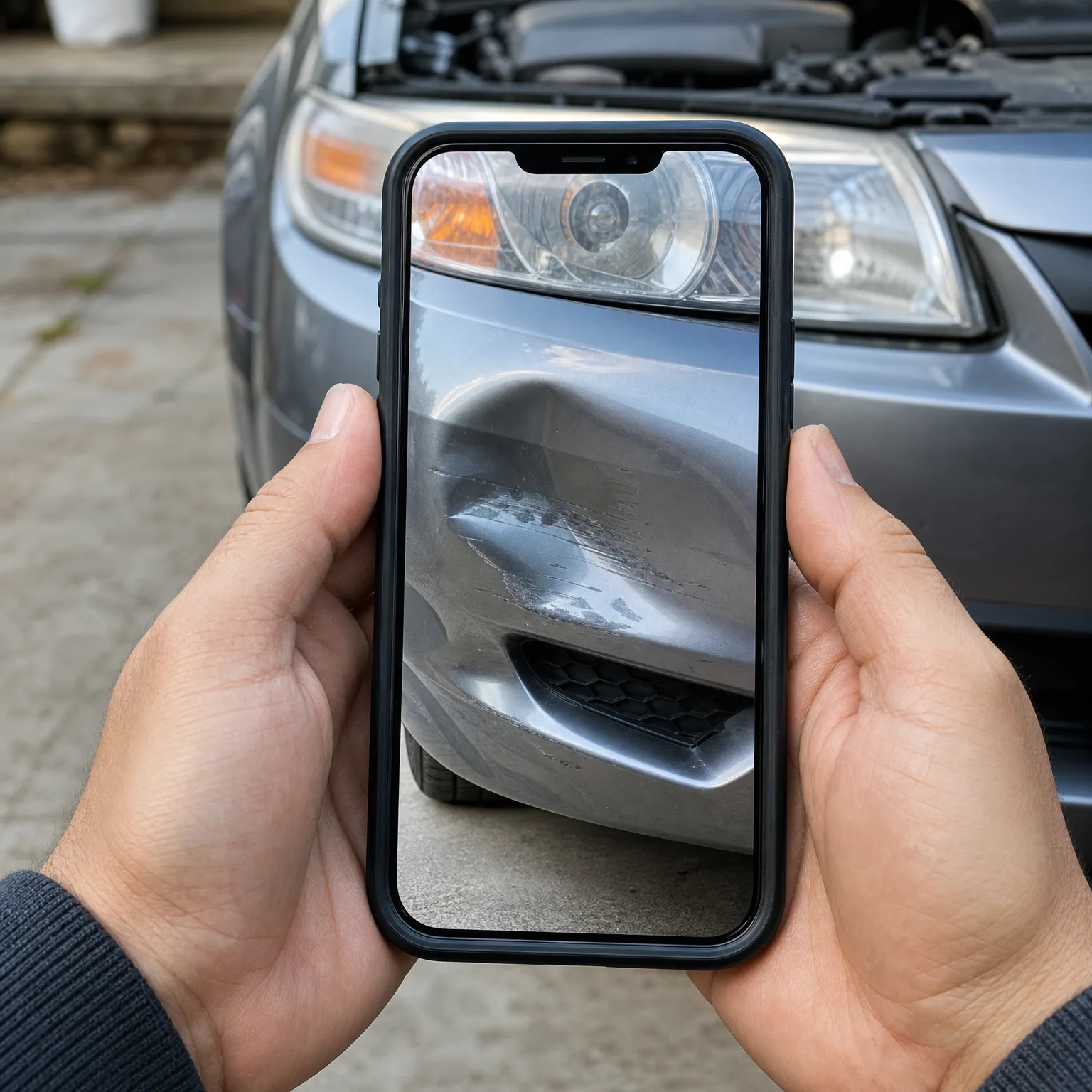
Car insurance liability coverage separates injuries from property damage because they're paid out of different pools and have different risks of running high. Medical bills from a serious injury can escalate fast, so insurers cap what they'll pay for one person and then set a separate, higher cap for everyone hurt in that same accident. The property damage number is its own limit entirely, covering the other car, a fence, a mailbox, whatever you hit.
The order never changes. The first number is per person, the second is per accident for everyone injured combined, and the third is property damage. So 25/50/15 sets one amount per injured person, a higher combined total if more than one person is hurt, and a separate amount for damage to property. If you injure two people and their combined bills exceed that per-accident total, your policy still only pays up to its limit, and you're responsible for the rest.
These numbers usually represent a state's minimum required coverage, not a recommended amount. States set their own minimums, and they vary, so what counts as legal in one place might be too low in another. Check what your state requires and compare it to what you're currently carrying, because many drivers carry only the minimum without realizing it.
The real risk with low limits like these is that a bad accident can cost more than your policy covers, leaving you personally on the hook for the difference. That's why some drivers choose higher limits even when the minimum is legal. It's not about what's required, it's about what you can afford to pay out of pocket if the numbers in your policy aren't enough.
The short version
25/50/15 is a liability limit structure: a set amount per injured person, a higher combined total per accident, and a separate amount for property damage. These are often state minimums, not safe amounts. Check your state's actual requirement and consider whether higher limits make sense for what you have to lose.
What each number in 25/50/15 actually limits
- Per-person injury cap This is the most your policy pays for one injured person's medical costs. If their bills exceed it, you pay the rest yourself.
- Per-accident injury cap This is the total paid across everyone injured in one accident. Multiple injured people can hit this ceiling fast.
- Property damage cap This covers the other car or property you damage, separate from injury costs. Check it against what a typical vehicle costs to repair.
- State minimum vs your risk These numbers may just meet your state's legal floor. Compare them to your savings and assets to see if you're exposed.
- Raising your limits Higher limits cost more but close the gap between what you're covered for and what an accident could actually cost. Ask for quotes at a few different limit levels.
Now you know what 25/50/15 covers, compare quotes to see what higher limits would cost you.

Deciding whether to raise your limits above 25/50/15
If you do
You pay a bit more each month, but a serious accident won't leave you paying tens of thousands out of pocket. Your assets, savings, and future wages stay protected if you're found at fault in a crash that injures someone or totals an expensive vehicle.
If you don't
You keep today's lower premium, but you're exposed the moment a claim exceeds any of your three limits. If that happens, the injured party or their insurer can come after your personal assets or wages to cover the difference.
Is 25/50/15 enough coverage for me?
It depends on what you have to lose, not on whether it's legal. If you own a home, have savings, or earn a steady income, a serious at-fault accident could cost more than these limits cover, and you'd pay the difference personally. If you have few assets and drive rarely, the minimum may be an acceptable risk. Check your state's minimum first, since 25/50/15 might already exceed it or just barely meet it.
What happens if damages exceed my policy limits?
You become personally responsible for whatever your insurance doesn't cover. The injured party or their insurer can pursue your wages, savings, or other assets through a lawsuit to recover the remaining amount. This is the main reason drivers with significant assets choose higher limits than their state requires. If you're ever in an accident where costs are climbing toward your limits, that's a sign to talk to an attorney about your exposure.
How do I know my state's minimum liability limits?
Check your state's department of insurance website or ask your insurer directly, since every state sets its own numbers and they're not all the same. Your current policy documents should also list what you're carrying and whether it matches the legal minimum. If you're unsure, your insurance agent can tell you plainly whether 25/50/15 is your state's floor or something you chose above it.