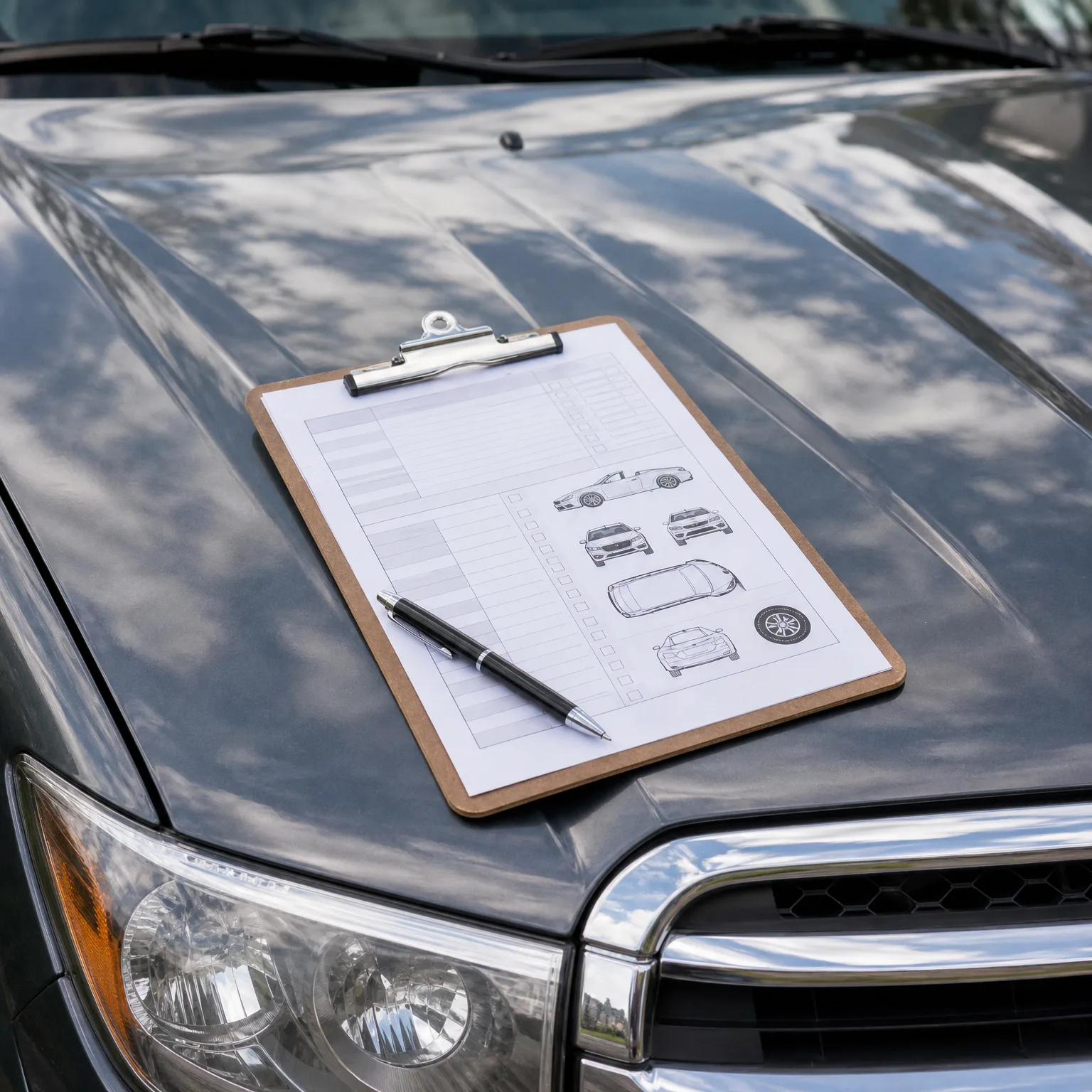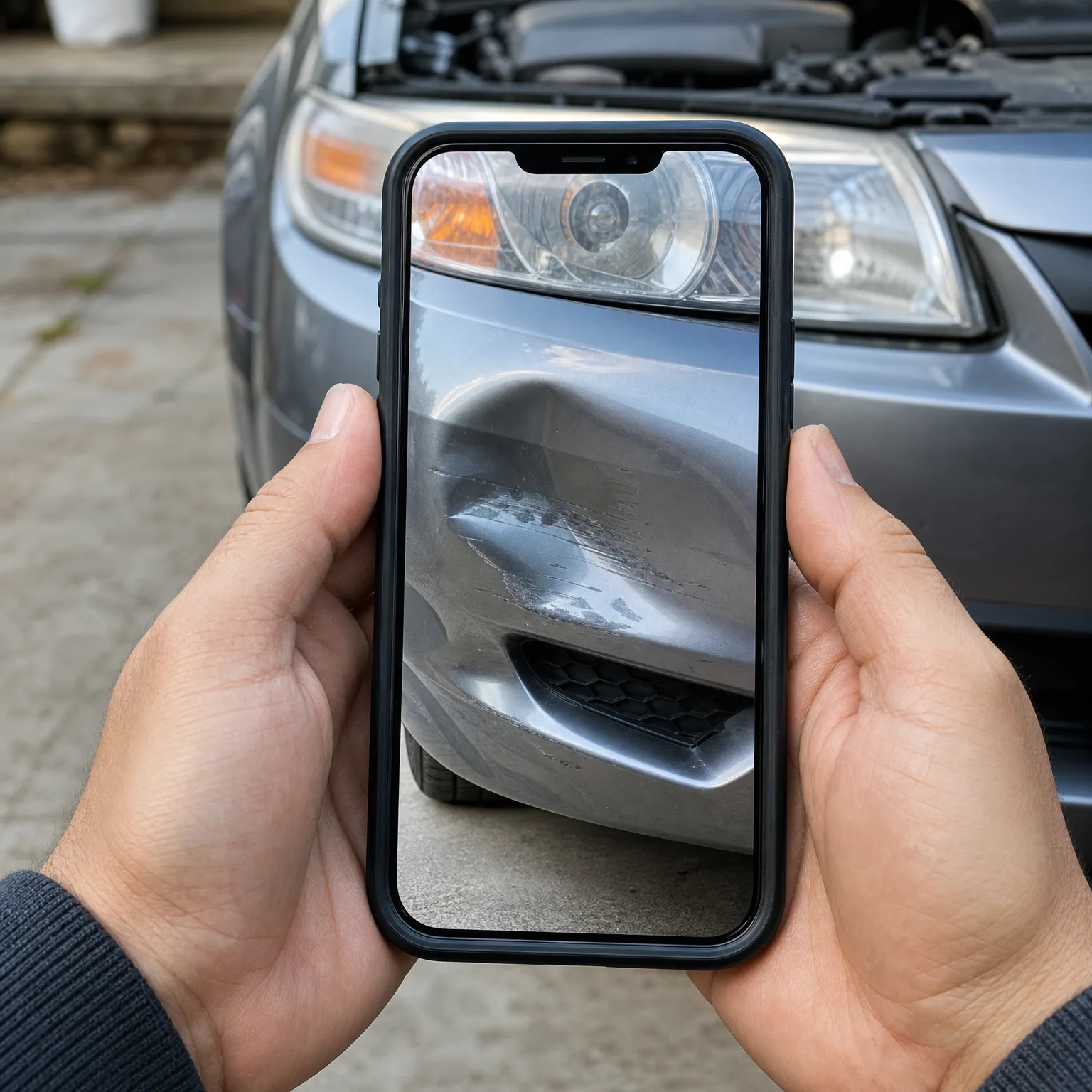
What Defines an Accident in Insurance Terms
An accident is any sudden collision or loss causing damage or injury, whether or not anyone was at fault or a claim was filed.
Insurers define it by what happened, not who's to blame
An accident, in insurance language, is a sudden unintended event that causes damage, injury, or loss involving your vehicle. That definition is broader than most people expect. It covers hitting another car, being hit while parked, sliding on ice into a mailbox, or a tree branch falling on your windshield during a storm. Fault isn't part of the definition. Whether you caused it, someone else did, or nothing but weather was involved, it's still recorded as an accident if it meets that basic test of sudden and unintended.
What changes is how that accident affects your record and your rate. An insurer separates accidents into categories like at-fault, not-at-fault, and comprehensive, which covers things like weather, animals, or theft. A not-at-fault accident still shows up in your claims history, but it typically doesn't raise your rate the way an at-fault one does. This distinction matters more than the word accident itself, because two people can both have one accident on file and pay very different amounts.
For a newly married household merging policies, this matters because insurers look at each driver's full history, not just whether an accident happened but how it was classified. A partner with one not-at-fault accident and a clean citation record looks very different to an insurer than one with an at-fault accident or a pattern of claims. Before you combine coverage, it helps to know which category any past incident falls into, since that's what actually gets priced.
State rules can affect how accidents are weighed too, especially in places with no-fault insurance laws, where your own insurer pays regardless of fault. Ask your insurer or agent how a specific incident was classified and how long it stays on record, since that timeline varies by company and by state.
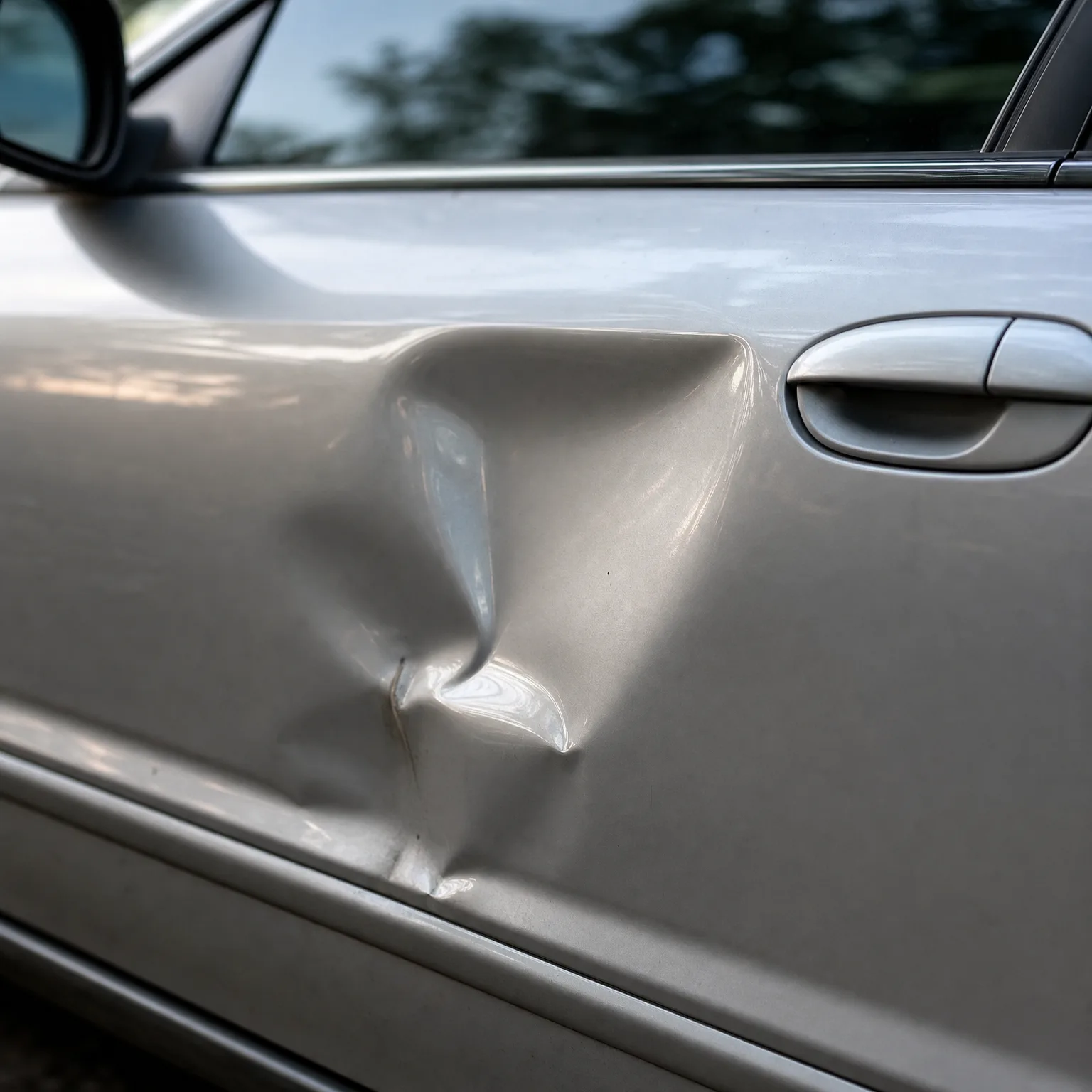
A fender bender that didn't look like a big deal
One partner had a minor accident two years earlier, backing into a parked car in a lot with no injuries and modest damage. They paid out of pocket rather than filing a claim, assuming that meant it wouldn't count against them. When the couple started comparing quotes to combine policies, the insurer still asked about any accidents in the past few years, filed or not, because many applications ask about incidents rather than just claims.
They disclosed it honestly, and the insurer classified it as an at-fault accident with no claim paid, which carried less weight than if a large claim had been filed. The couple learned that silence wasn't an option since insurers can check records beyond what you report, and leaving it out could have looked like misrepresentation later. In the end, the accident had a modest effect on the quote, far less than they feared, and they moved forward with combining coverage once they understood how the incident was actually being read.

Not every accident costs you the same amount. How it's classified matters more than the fact that it happened.
Once you know how your past incidents are classified, compare quotes together to see your real combined rate.

What to check before you assume an accident will hurt your rate
- Fault classification Check whether an incident was marked at-fault or not-at-fault. Ask the insurer directly since this label affects pricing far more than the word accident alone.
- Claim versus incident An accident can exist on record even without a paid claim. Report it honestly on any application since insurers can verify history independently.
- Comprehensive versus collision Weather, animal strikes, and theft are usually comprehensive claims, not at-fault accidents. Know which category past events fall into before assuming they'll raise a joint rate.
- How long it stays on file Accidents typically age off your record after a period that varies by insurer and state. Ask how much time is left before it stops affecting pricing.
- No-fault state rules Some states handle fault differently under no-fault insurance laws. Check your state's rules since they can change how an accident is weighed.

Does a non-drivable car accident still count as an accident on my record?
Yes, if it was a sudden, unintended event causing damage or injury, it counts regardless of whether the car could still be driven afterward. Severity affects the cost of repairs and possibly the rate impact, but not whether it's classified as an accident. Check your claims report for how it was coded, since that record follows you even if the car was drivable home that day.
Will a not-at-fault accident affect our combined insurance rate?
It usually has little to no effect, since insurers weigh fault heavily when pricing risk. Some insurers still note the accident as part of claims history even without raising your rate. Ask directly how your insurer treats not-at-fault accidents, because policies on this differ, and a few states regulate it specifically.
How do insurers find out about an accident if we never filed a claim?
Insurers can access shared claims history databases and motor vehicle records that may show an accident even without a paid claim. Police reports, other drivers' claims, or citations can also surface it. Because of this, it's safer to disclose anything that happened rather than assume it stayed private, since being caught omitting it can affect trust and pricing more than the accident itself.