What Accident Types Raise Insurance Premiums Most
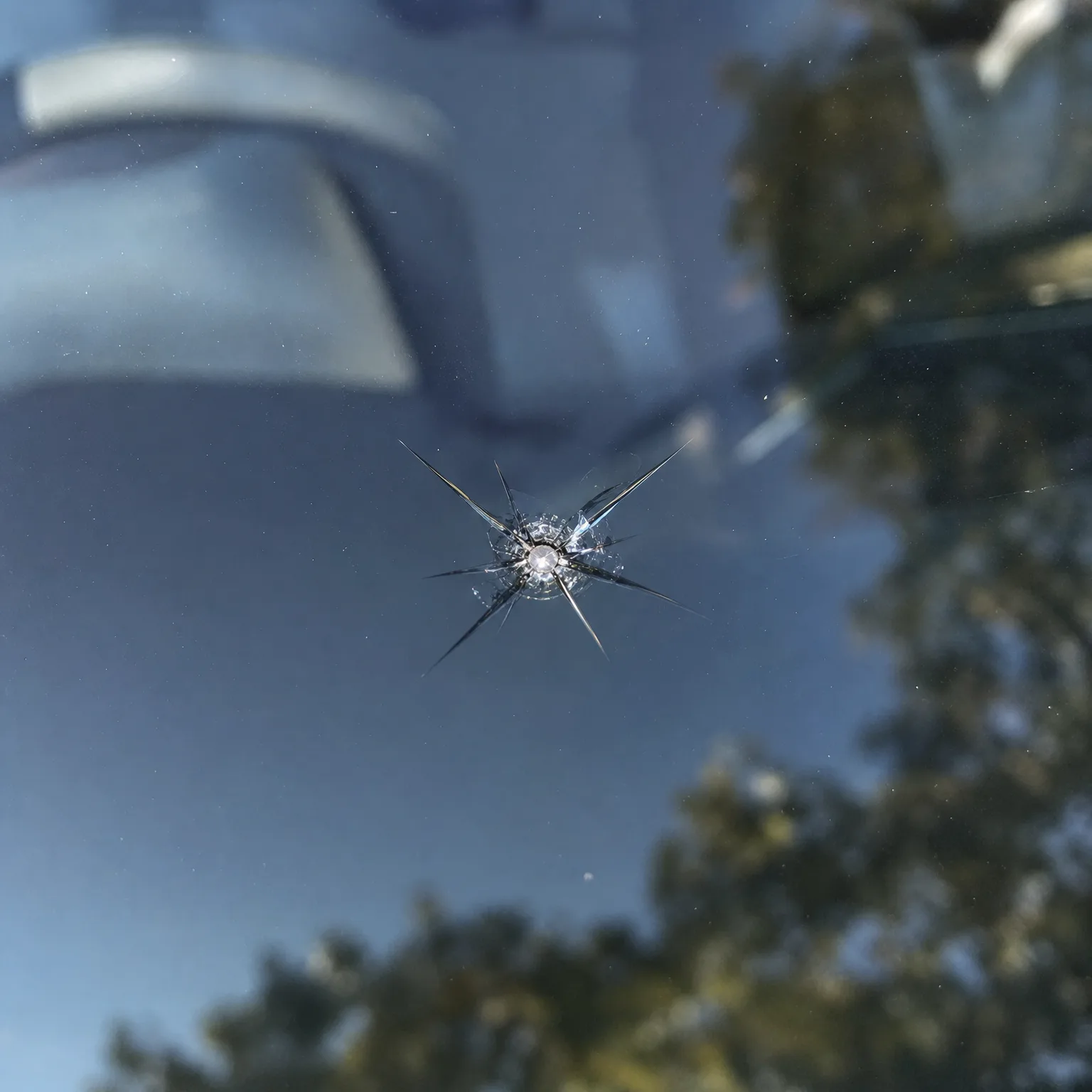
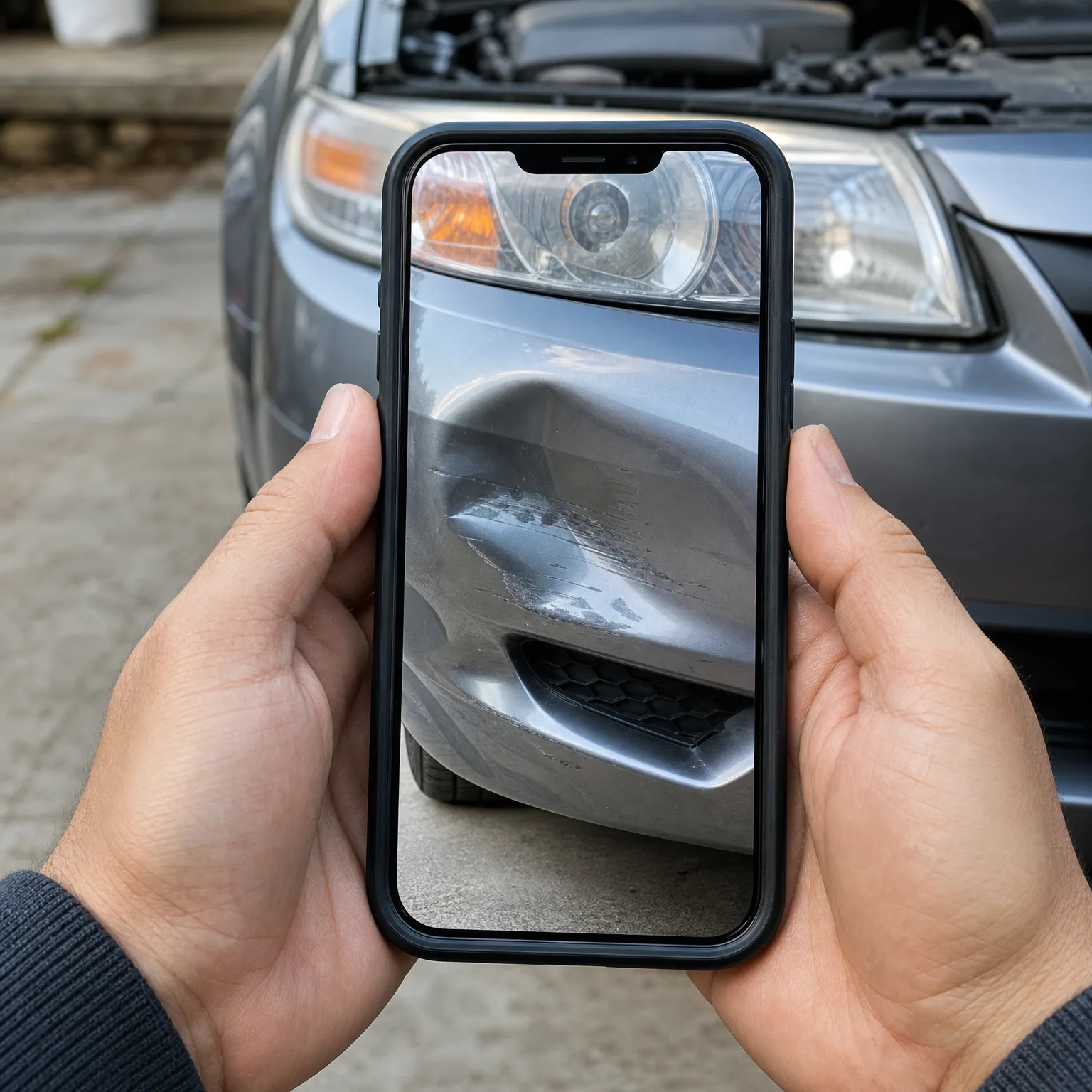
At-fault accidents with injury or a large payout raise premiums most, far more than minor crashes or ones that weren't your fault.
Insurers price the accident, not just the fact of it
Insurers raise your rate based on what the accident predicts about future risk, not simply whether a claim happened. An at-fault crash with injuries or major vehicle damage tells them you're statistically more likely to file another large claim, so it moves your rate the most. A minor at-fault fender bender with only property damage still counts against you, but it costs less to insurers, so it raises your rate less.
Fault matters more than almost anything else. If you weren't at fault and the other driver's insurer paid, most insurers won't raise your rate at all, though a few will still note the claim on your record. Check how your specific insurer and state handle not-at-fault claims, since this varies and isn't something you can assume either way.
The size of the payout also matters directly. Claims involving injury, especially to another person, tend to raise rates more than pure property damage claims because injury claims cost insurers far more on average and signal higher future liability risk. A claim that involves a lawsuit or a large settlement will move your rate more than a quick, cheap repair.
For your situation specifically, this matters because when you combine policies as a married couple, the insurer looks at both records together. One partner's at-fault accident with injury will weigh on the shared policy's price more heavily than a single ticket or a minor claim would. Before merging, it's worth understanding exactly what kind of incident is on either record, since that detail changes whether combining helps or hurts.
Will my spouse's bad accident history raise my rate if we combine policies?
Usually yes, but how much depends on how serious the accident was and how long ago it happened. A single at-fault accident with injury will raise a shared policy's price more than a minor claim, and recent accidents weigh more than older ones. Most insurers look back a set number of years, after which the accident stops counting.
Before combining, ask any insurer you're considering how they weigh each driver's history on a joint policy. Some average the two records, some price mainly off the higher-risk driver, and some let you insure each car separately under one account without blending the records. Getting a quote with both drivers listed, before you commit, is the only reliable way to know whether combining helps or costs you more.

Compare quotes with both driving records listed to see how combining affects your price before you decide.

Combining policies after an accident is on one record
If you do
You'll likely get one bill and one renewal date, and you may still save overall from the household discount even with the accident counted. The accident shows up as a surcharge on the joint rate, not a separate bill. You'll know the real cost once you compare a joint quote against your current separate premiums.
If you don't
You each keep your own rate, so the accident stays isolated to that one policy and never touches the other driver's premium. You lose the chance at a household discount, and you manage two renewal dates and two insurers. This can be the safer choice when one record is notably worse than the other.
Does a not-at-fault accident ever raise my insurance rate?
Usually not, but it can happen depending on the insurer and state. Most insurers won't surcharge you if the other driver was clearly at fault and their insurer paid the claim. Some states and insurers, though, allow a rate increase even on not-at-fault claims if you filed through your own insurer first or if fault was ever disputed. Check your state's rules and your insurer's specific policy on this before assuming a not-at-fault crash is risk-free for your rate.
How long does an at-fault accident stay on my record and affect my rate?
It depends on your state and insurer, but accidents typically affect pricing for several years before dropping off. The exact length varies, so check with your insurer directly rather than assuming a standard timeline. Some insurers also offer accident forgiveness, which prevents your first at-fault accident from raising your rate at all. If you're close to the point where an old accident should age off, ask your insurer exactly when it stops counting, since timing a policy change around that date can matter.
Should we keep separate policies if one of us has a recent at-fault accident?
It depends on how much worse that record is and what each insurer quotes you. If the accident is recent and severe, staying separate protects the other driver's rate from the surcharge entirely. If it's older or minor, combining may still net you a household discount that outweighs the small bump. The only way to know is to get a joint quote and compare it against both separate premiums added together.

The accident's severity and fault, not the fact it happened, decide what combining costs you.