Should I Switch Insurance After an Accident
You can switch after an accident, but the timing and the claim's status on your record decide whether it actually helps.
The accident follows you, not your policy
An at-fault accident gets attached to your driving record, not to the insurer you had when it happened. That record is what every company checks when they price you, so switching companies doesn't erase the accident or stop it from affecting your rate. If you're switching hoping to dodge the increase, that part usually won't work.
What switching can still do is get you a better starting point. Insurers don't all weigh the same accident the same way. One company might raise your rate sharply after a single at-fault claim while another barely moves, especially if your history before that was clean. Shopping around after the dust settles lets you find the insurer that penalizes you the least for the specific accident you had.
Timing matters because of the claim process itself. If the claim is still open, meaning repairs aren't finished or injury costs haven't been settled, switching mid-claim can create headaches. Your original insurer handles the claim regardless of whether you still have a policy with them, but some new insurers are hesitant to write you a policy while a claim is actively unresolved, and you may need to disclose it either way.
There are cases where switching right away makes sense anyway. If your current insurer is raising your rate more than the accident alone justifies, or if you were already unhappy with them before this happened, there's little reason to wait. The accident becomes part of your record no matter who insures you, so the decision is really about which company prices that record best, not about escaping it.
A driver gets rear-ended, waits, then switches
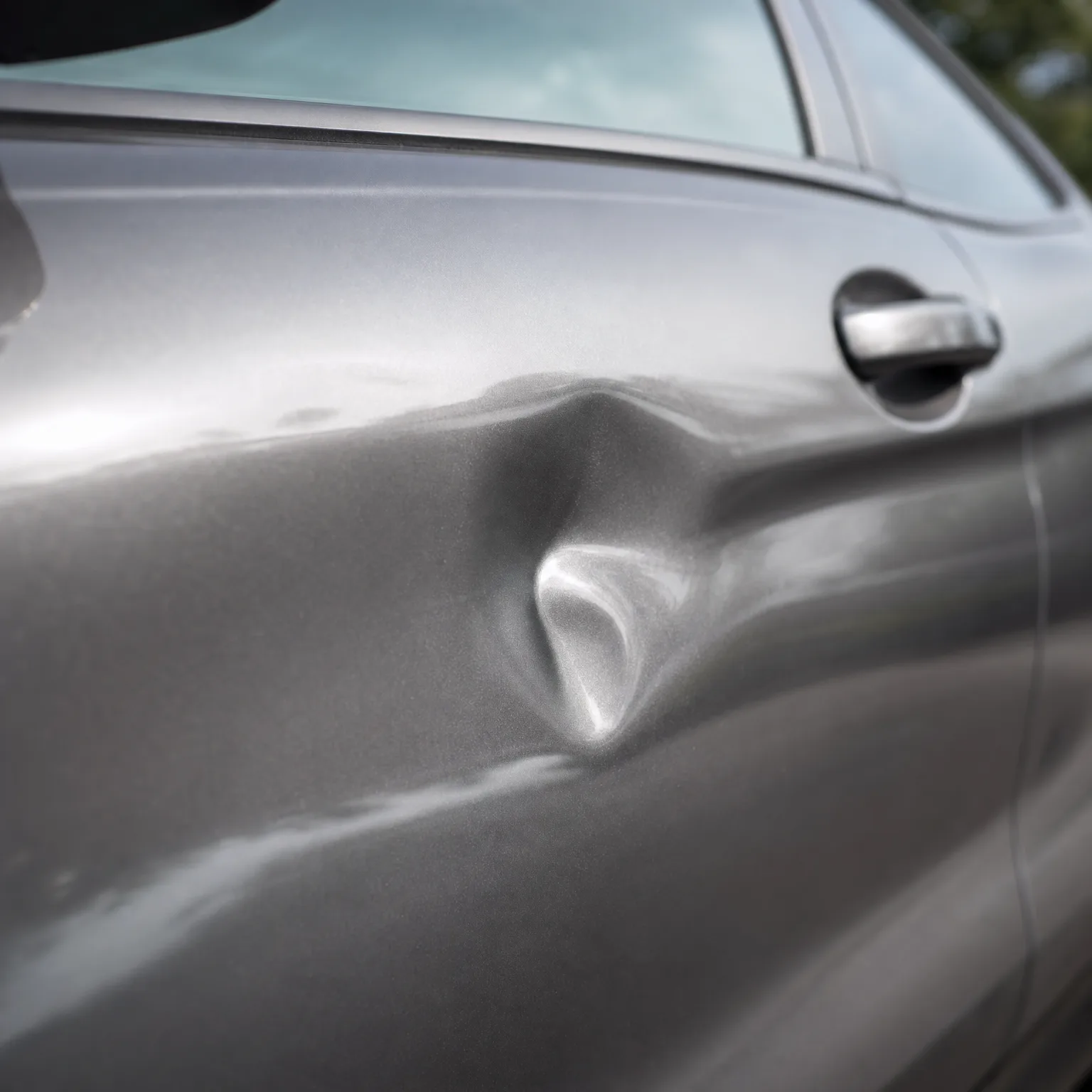
You're sitting at a light and get hit from behind. It's not your fault, but you still file a claim because the other driver's insurance is slow to respond and yours offers to front the repair cost. The claim closes within a couple of months, and when your renewal comes up, your rate goes up anyway, even though you weren't at fault.
You wait for the claim to fully close, then get quotes from a few other companies, making sure to explain that the accident was not your fault since that detail matters to how it's priced. One insurer treats the not-at-fault claim as a minor factor, while your current one treats it like any other claim. You switch, and your new rate comes in lower than what your current insurer was about to charge you, even with the accident on record.
Will switching insurance make the accident disappear from my rate?
No. The accident stays on your driving record for a set period that depends on your state, and any insurer you apply to will see it when they pull your record. Switching changes who is pricing the accident, not whether it gets priced at all.
What you're really doing when you switch is finding the company whose formula treats your specific situation the least harshly. Some weigh fault heavily, some weigh frequency of claims, some care more about how long ago it happened. Ask any new insurer directly how they treat the kind of accident you had before you commit, so you're not just hoping for a better outcome.
Compare quotes now that you know whether switching will actually lower what you pay after this accident.

Switch now versus wait for the claim to close
If you do
You can start getting quotes immediately, which shows you whether staying put is even worth it. Some insurers may ask about the open claim or delay full approval until it resolves. You might also face a gap in coverage if you cancel before the new policy starts, so line up dates carefully.
If you don't
You avoid any complications with an unresolved claim and keep one insurer handling everything until it's finished. Your rate may still rise at renewal, and you'll pay that higher rate until you decide to shop again. Nothing is lost by waiting as long as you don't forget to revisit it.
What actually determines if switching helps you
- Claim status An open claim can complicate a new policy application. Wait until repairs and payouts are finished before you apply elsewhere.
- Fault determination Being at-fault versus not-at-fault changes how heavily this follows you. Get the final fault decision in writing before you shop.
- Current rate increase Ask your insurer exactly how much your renewal is going up. Compare that number against new quotes before deciding to switch.
- Coverage gap risk Canceling too early can leave you briefly uninsured. Set your new policy's start date before canceling the old one.
- How insurers weigh accidents Companies don't score the same accident equally. Ask any insurer you're considering how they specifically treat your type of claim.