Most Common Reasons People File Umbrella Policy Claims
Most umbrella claims start with a car accident or an incident on your property that cost more than your regular policy could pay.
A teenage driver, a bad merge, and a bill too big for the auto policy
A newly married couple had just combined their auto policies and added an umbrella policy at their agent's suggestion. A few months later, one spouse's teenage son from a previous relationship, who was listed as a driver on the household policy, merged into traffic and caused a crash that seriously injured someone in the other car.
The injured driver's medical bills and lost income added up to far more than the auto liability limit. The auto insurer paid its full limit, and the umbrella policy covered the rest, along with the legal costs of defending the claim. Because the couple had married and combined their household risks under one umbrella policy, the payout protected both of their incomes and savings, not just the driver's.
Does combining our car insurance affect our umbrella policy too?
Yes. An umbrella policy sits on top of your auto and home policies, so when you combine or change those underlying policies, it changes what the umbrella is protecting. If you merge your auto policies into one household policy, your umbrella insurer will usually want to know, because it affects who is covered and how much underlying liability coverage is in place.
Most umbrella policies require you to carry a minimum amount of liability coverage on your auto and home policies before the umbrella kicks in. When you combine policies after marriage, check with whoever holds your umbrella policy to confirm your new combined auto policy still meets that minimum. If it doesn't, the umbrella won't pay out the way you expect.
An umbrella policy isn't about rare disasters, it's about ordinary accidents that cost more than expected.
Compare quotes with your household's full risk in mind, not just the price of your car insurance.

The claims that actually use an umbrella policy
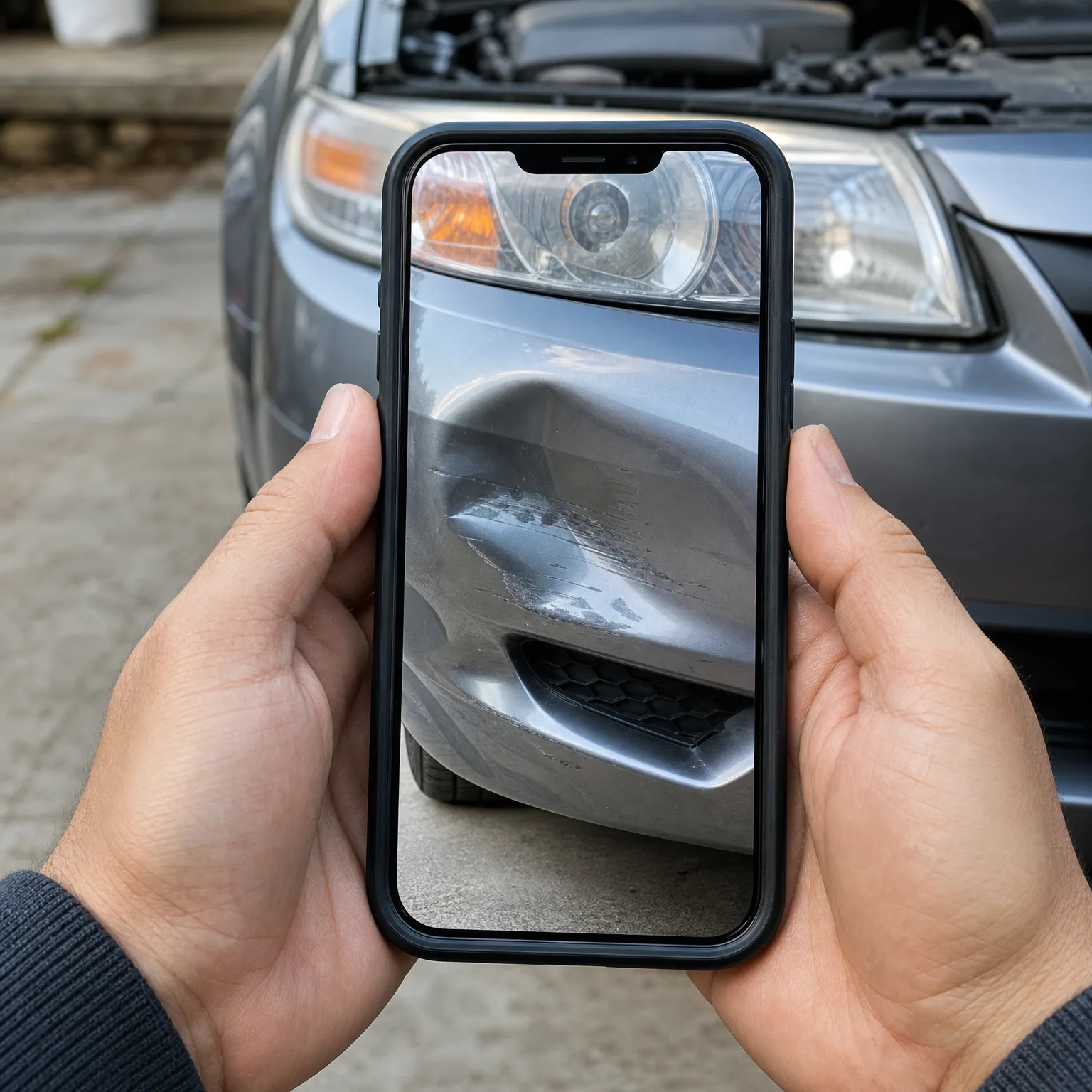
- Serious car accidents When a crash causes injuries that cost more than your auto liability limit, the umbrella covers the rest. This is especially relevant if a young or higher-risk driver is on your policy.
- Dog bites at home A visitor hurt on your property or bitten by your dog can generate a claim bigger than home insurance covers. Check if your umbrella policy excludes certain dog breeds.
- Being sued over your words Claims like defamation or false arrest aren't covered by home or auto policies at all. An umbrella policy often is the only coverage that applies.
- A teen or new driver Younger or less experienced drivers raise the odds of a costly claim. If one is on your policy, confirm your umbrella limit still makes sense for your household.
- Boat or rental injuries Liability from a boat, rental unit, or vacation home often falls outside standard home and auto coverage. Ask your insurer directly if these are included.
Why these claims are the ones that reach an umbrella policy
An umbrella policy only pays after your underlying auto or home policy limit is used up. That means the claims that reach it are, by definition, the expensive ones. A fender bender rarely gets there. A crash that leaves someone with a long hospital stay or permanent injury does, because medical and legal costs can climb past what a standard auto limit was ever built to cover.
Car accidents are the most common trigger simply because driving is the riskiest everyday activity most people do, and the cost of a serious crash is unpredictable. When two drivers combine their policies after marriage, the household's overall risk changes too. One driver's history, age, or habits can affect how much underlying coverage makes sense, which in turn affects whether the umbrella policy will respond the way you expect.
Dog bites and injuries at home show up often for a different reason. Homeowners and renters policies have their own liability limits, and those limits can be used up fast by a single serious injury claim, especially one involving a child or a long recovery. The same logic applies to injuries on a boat or at a vacation property, where the underlying policy might be thinner than people assume.
Where this varies is in what counts as underlying coverage at all. Some umbrella policies require a minimum limit on every vehicle and property you own, others are more flexible. Ask your insurer directly what's required so a gap doesn't show up right when you need the coverage most.