Is State Minimum Car Insurance Full Coverage
State minimum coverage pays for damage you cause to someone else, not repairs to your own car.
Minimum coverage only protects other people, not you
State minimum requirements exist to make sure that if you cause a crash, the other driver's car and medical bills get paid. That's liability coverage, and every state sets a floor for how much of it you have to carry. It says nothing about your own vehicle.
Full coverage is not an official term insurers use the same way everywhere, but in practice it means you've added collision and comprehensive coverage on top of liability. Collision pays to fix or replace your car after an accident you caused. Comprehensive pays for things like theft, fire, hail or hitting an animal. Without those, a crash that's your fault means you pay for your own repairs out of pocket, even though your liability coverage is handling the other driver's costs.
This is why state minimum policies are usually the cheapest option. You're buying the least amount of protection the law allows, and almost all of that protection points outward, toward other people and their property. Your own car is left exposed no matter how much the state minimum costs to meet.
There are cases where state minimum makes sense anyway, like when a car is old enough that repair costs would exceed its value. But that's a deliberate choice based on the car's worth, not a case of state minimum secretly being full coverage. If you still owe money on the car or would struggle to replace it, minimum coverage alone leaves a real gap.
What state minimum actually leaves uncovered
- Your own car repairs If you cause a crash, state minimum won't pay to fix your vehicle. You'd need collision coverage added to handle that cost yourself.
- Theft and weather damage Minimum coverage doesn't include comprehensive, so theft, vandalism, fire or storm damage to your car isn't covered at all.
- Loans and leases If you still owe money on the car, your lender almost certainly requires collision and comprehensive, not just the state minimum.
- Your medical costs Liability covers the other driver's injuries, not yours. Check whether your state requires separate coverage for your own medical bills.
- Replacement cost If your car is totaled, state minimum pays nothing toward replacing it. Only comprehensive and collision respond to that loss.

Whether you add collision and comprehensive
If you do
Your policy costs more each month, but if you cause a crash or your car is stolen, damaged by weather, or totaled, the insurer pays to repair or replace it. Your lender's requirements are satisfied. You're protected whether or not the other driver is at fault.
If you don't
You pay less now, but any damage to your own car from a crash you caused, theft, or weather comes entirely out of your pocket. If the car is financed, you may be breaking your loan agreement. A bad accident could mean losing the car and still owing the loan.
Now you know what state minimum skips, compare quotes for collision and comprehensive to see what real protection costs.
When state minimum coverage wasn't enough
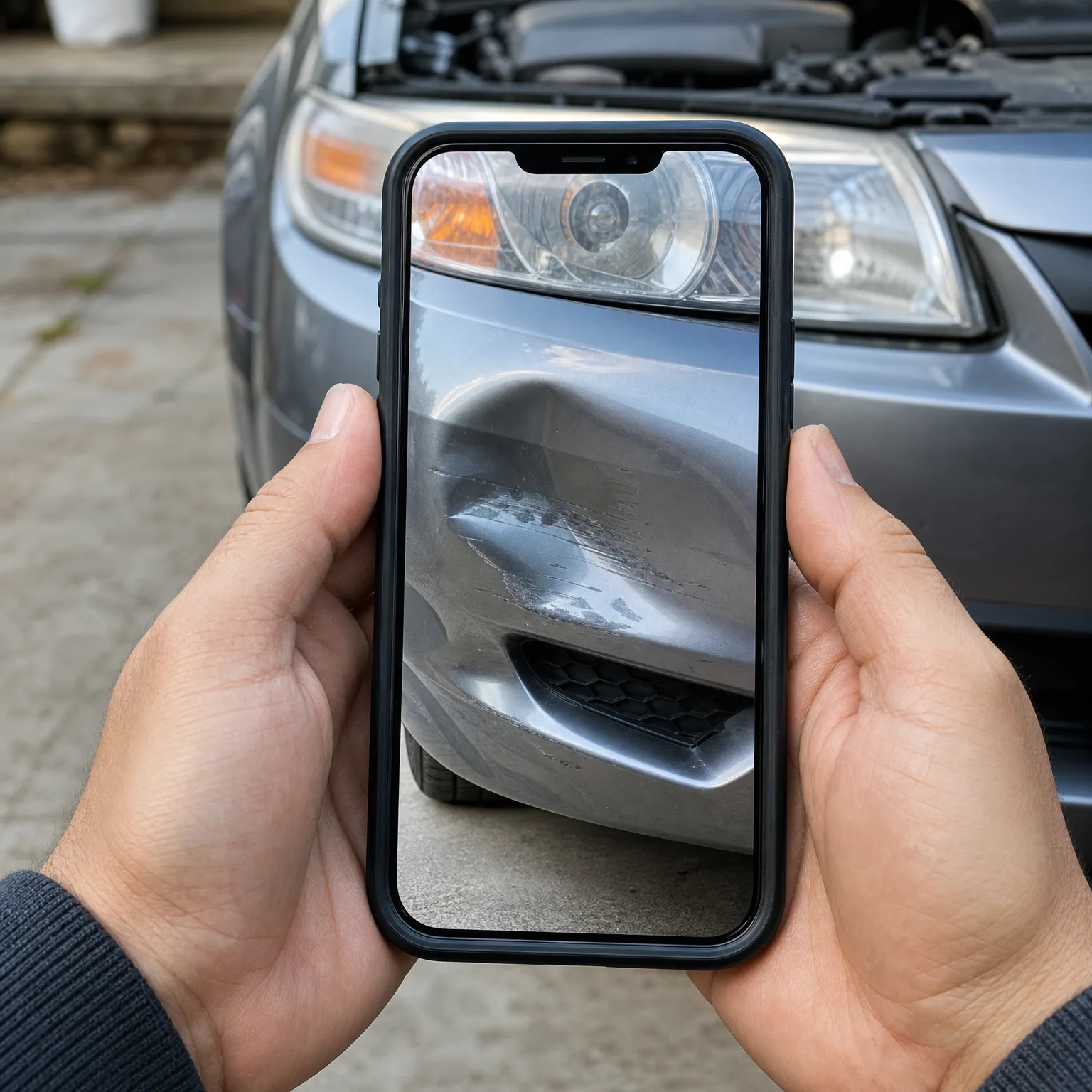
A driver carrying only their state's minimum liability coverage hit a patch of ice and slid into a guardrail. No other car was involved. Their liability coverage didn't apply at all, since that coverage only pays when you damage someone else's property or injure someone else. The guardrail repair bill went to the state, not the insurer, but the driver's own car, with a cracked bumper and a damaged wheel well, was entirely their responsibility.
They still owed around two years of payments on the car loan. Without collision coverage, they had to pay for repairs out of savings, which covered only part of the cost, so they drove with the damage for months while saving up for the rest. Afterward they called their insurer and added collision and comprehensive coverage, which raised their monthly payment but meant that the next time something happened to their own car, regardless of fault, the insurer would pay for it instead of them.

Does full coverage include roadside assistance?
Not by default. Full coverage typically means liability plus collision and comprehensive, and roadside assistance is usually a separate add-on you select individually. Check your policy documents or ask your insurer directly, since some policies bundle it in and others charge extra. If you drive an older car or do a lot of long-distance driving, it's worth adding even if it costs a bit more each month.
Is full coverage required to drive a financed car?
Yes, almost always. Lenders and leasing companies require collision and comprehensive coverage for as long as you owe money on the vehicle, since they have a financial interest in it being repaired or replaced. This requirement disappears once the loan is paid off, at which point carrying full coverage becomes your own choice based on the car's value and your finances.
How much does adding collision and comprehensive raise my rate?
It depends on your car's value, your driving record, and your insurer, so there's no fixed amount to expect. Newer or more expensive cars cost more to insure this way since repairs and replacement cost more. The best way to know your real number is to get a quote with both coverages added and compare it directly to your current state minimum premium.