Is It Worth Having Full Coverage on an Older Vehicle
Full coverage is worth it only if your car's value is still higher than what you'd pay in premiums plus deductible over time.
The math is about value versus cost, not sentiment
Full coverage exists to protect the value of the car itself. Liability covers what you do to others, but comprehensive and collision pay out based on what your car is worth right now, not what you paid for it or what it would cost to replace it with something similar. As a car ages, that payout ceiling drops every year, while the premium for carrying that coverage often stays flat or drops only slightly. At some point you're paying a steady amount to insure a shrinking number.
The way to check is simple. Find out what your car would actually sell for in its current condition, then look at what you're paying each year for comprehensive and collision, including your deductible. If a total loss would pay you an amount close to what you've spent on that coverage over a year or two, the coverage isn't doing much work for you anymore.
There are cases where keeping full coverage still makes sense even on an older car. If you have a loan or lease, the lender usually requires it regardless of value. If you couldn't comfortably replace the car out of pocket if it were totaled or stolen, the coverage is still buying you protection against a real financial hit, not just a theoretical one. And if the car is low mileage, well maintained, or a model that holds value, it may be worth more than the odometer or the calendar suggests.
What varies is how insurers value the car when they calculate a payout, and some states have rules about how that value must be determined. Ask your insurer directly what method they use and what your car would likely be valued at today. That number, not the car's age, is what should drive your decision.
What should I drop instead of full coverage?
If you're moving away from full coverage, you're usually choosing to drop comprehensive and collision while keeping liability, and often keeping uninsured motorist coverage too. Liability protects you from the cost of harming someone else or their property, which can be far larger than the value of your own car, so that part of your policy still matters regardless of the car's age.
What changes is the coverage that exists purely to repair or replace your own vehicle. Once you drop it, a total loss or major repair comes out of your own pocket. Before deciding, check whether your state requires any additional coverage beyond liability, since minimums vary, and confirm with your insurer exactly what disappears and what stays.

Your car's current worth, not its age, decides whether this coverage still pays for itself.
Compare quotes with liability-only and full coverage so you can see the real cost difference for your car.

A ten-year-old sedan with a paid-off loan
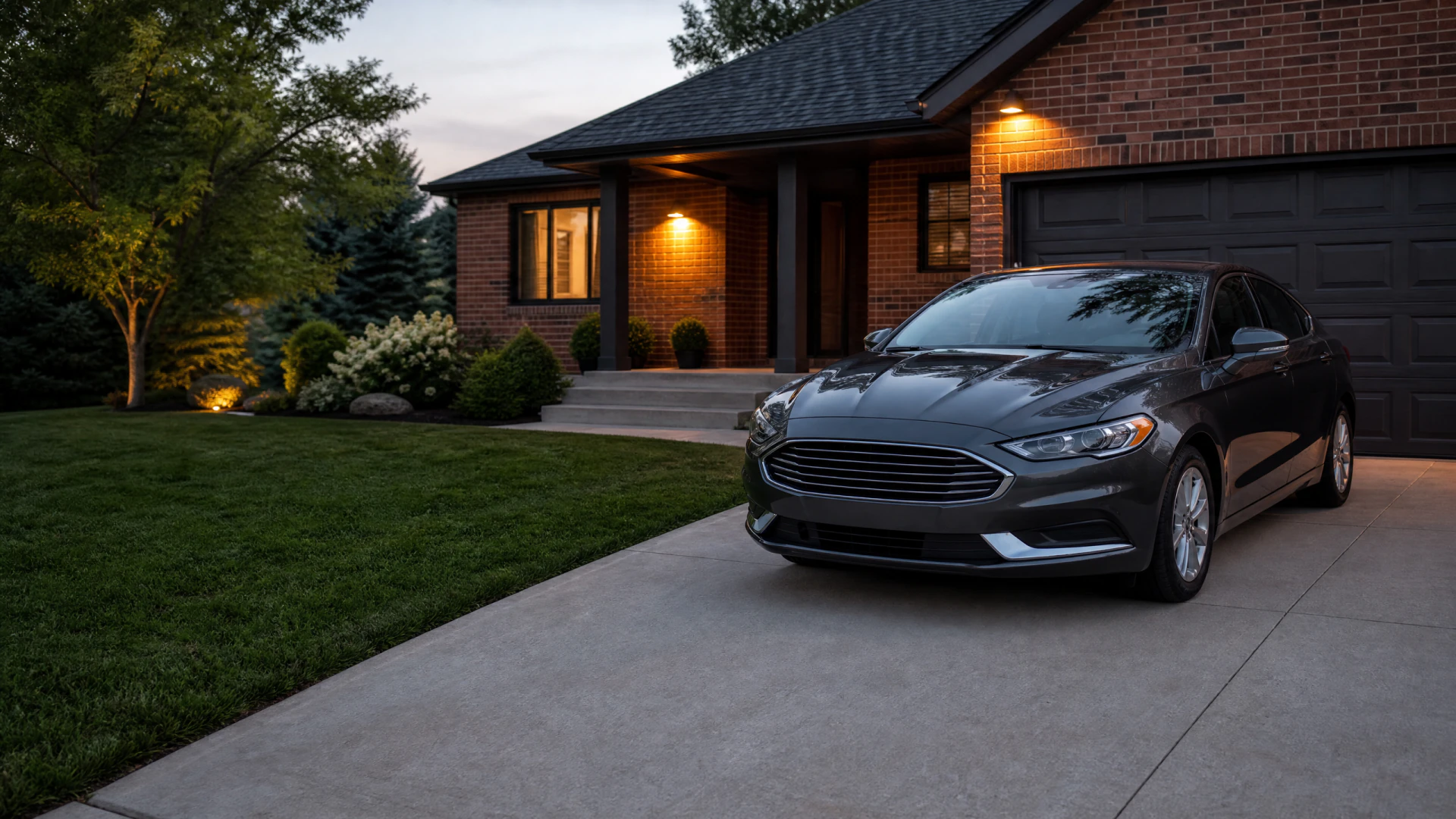
Someone owns a sedan they bought new a decade ago. The loan was paid off years back, and the car runs well but shows its age with some cosmetic wear and higher mileage. They've kept full coverage the whole time out of habit, never really revisiting it since the first year they owned the car. Each renewal they just kept the same plan without a second look.
They decided to check what the car was actually worth now and found it was worth less than two years of their comprehensive and collision premiums combined, even before counting the deductible they'd owe on any claim. With no lender requiring the coverage anymore and enough savings to replace the car if needed, they dropped comprehensive and collision and kept liability and uninsured motorist coverage. Their premium dropped noticeably, and they put the difference toward a fund earmarked for their next car, figuring that if this one were totaled, they'd rather have been saving toward a replacement than paying for coverage that wouldn't have covered much anyway.

How do I find out what my car is actually worth?
Check independent valuation guides that price cars based on year, make, model, mileage, and condition, and look at what similar cars are actually selling for in your area. Your insurer can also tell you what value they'd use to calculate a payout, which is the number that matters most for this decision. Get a few sources since estimates can vary, and lean toward the more conservative number when deciding whether coverage still makes sense.
Will dropping full coverage lower my rate a lot or just a little?
It depends on your car, your driving record, and your insurer's pricing, so the only way to know is to get a quote both ways and compare. Generally the older and lower-value the car, the smaller the portion of your premium that comprehensive and collision represent, so the savings shrink as the car ages. Ask for an itemized breakdown so you can see exactly what each coverage piece costs you before deciding.
Can I switch back to full coverage later if I change my mind?
Usually yes, you can add comprehensive and collision back at a future renewal or mid-term in most cases. Keep in mind the car's value will have likely dropped further by then, so run the same math again before switching back. Also check whether your insurer requires an inspection or has a waiting period after a lapse in that coverage, since policies differ on this.