Is It Better to Use an Insurance Agent or Go Direct
Neither is better for everyone, the right choice depends on how complicated your coverage needs are and how much guidance you want.
It comes down to who untangles things when something goes wrong
An agent works to sell you a policy, then sticks around to answer questions, help you file a claim, and adjust coverage as your life changes. Going direct, through a company's website or call center, cuts out that middleman, which often means a simpler process and sometimes a lower price, since the company isn't paying someone a commission to place your policy. Both get you a real policy from a real insurer. The difference is in what happens after you buy it.
If your situation is simple, one car, one driver, a clean record, going direct usually works fine. The questions are straightforward, the website can walk you through them, and there isn't much to get wrong. You're buying a standard product and you know roughly what you need.
If your situation has more moving parts, multiple cars, drivers with different records, a recent accident, or you're not sure how much coverage you actually need, an agent earns their keep. They can compare options across companies, catch gaps you wouldn't think to ask about, and advocate for you if a claim gets complicated. That guidance has value precisely when the decision isn't obvious.
The tradeoff isn't fixed though. Some direct insurers have strong phone support that functions a lot like an agent would. Some agents are captive to one company and can't actually shop around for you, while others are independent and can. Ask which kind you're talking to, because that changes how much real comparison you're getting.
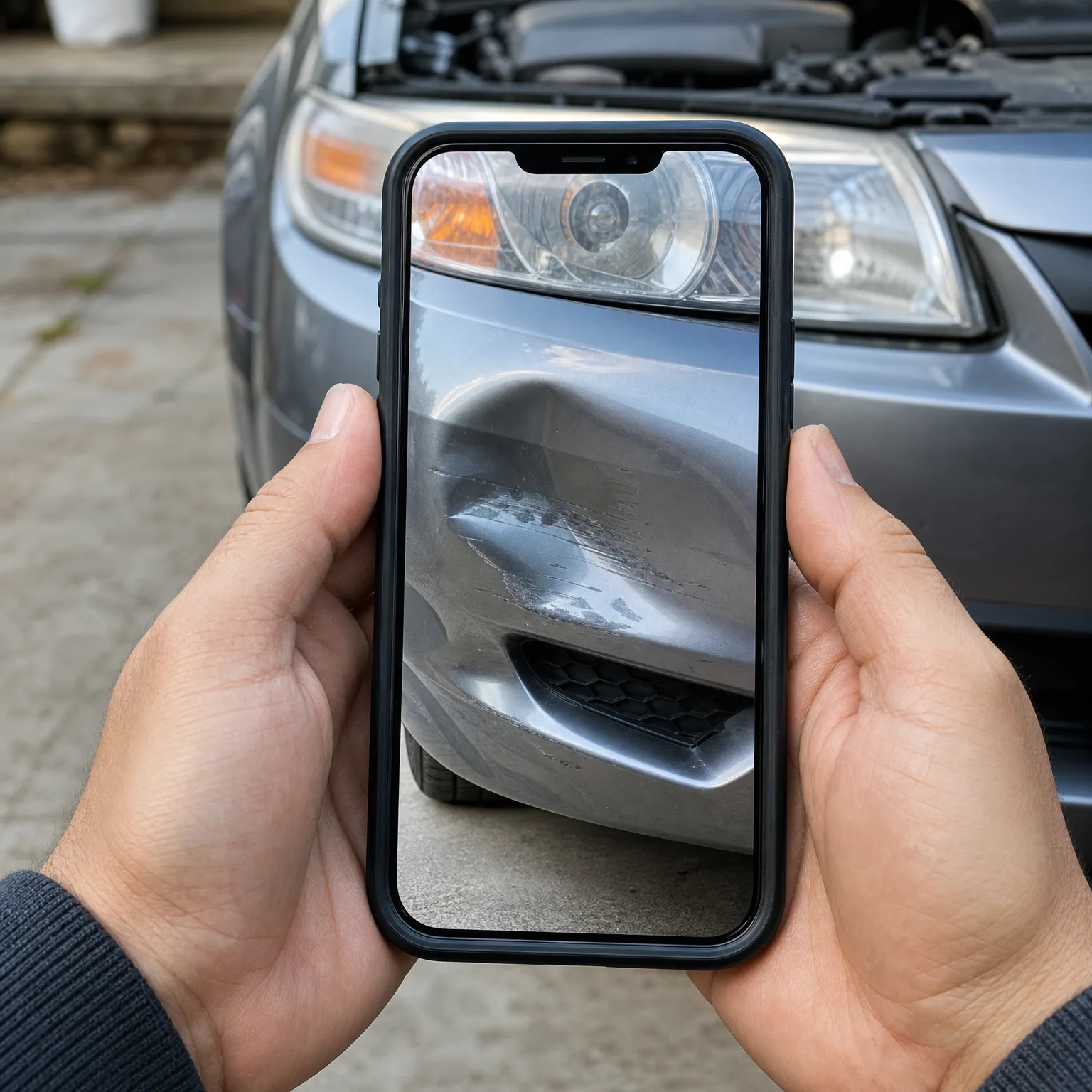
A driver with a recent accident weighing both options
Someone with a clean record for years gets into their first accident, then starts shopping for a new policy because their renewal jumped. Going direct, they find the online quote tool asks the same questions regardless of their history, and the price they're quoted doesn't explain why it's higher or whether another company would treat the accident differently. They're left guessing.
They call an independent agent instead, who pulls quotes from several companies and explains that insurers weigh at-fault accidents differently, some forgive a first one after enough clean years, others don't. The agent finds a company that prices the accident more gently and sets up the policy, then flags that the driver may qualify for a lower rate again in a couple of years and offers to revisit it then. The driver pays a similar price to what they'd have found alone, but leaves with a plan instead of just a number.
The real question isn't which is cheaper, it's who you want handling things when you need to file a claim.
Compare quotes now, whether you go through an agent or direct, so you can see the real difference for your situation.

Deciding whether to use an agent for this policy
If you do
You get someone who compares companies for you, explains why prices differ, and steps in if a claim gets messy. It takes more time upfront, maybe a call or two, but you're not left interpreting insurance language alone, useful if your situation involves more than one driver or a recent incident.
If you don't
You can usually get quoted and covered faster, often in minutes, and you skip any sales conversation. But you're responsible for comparing options yourself, and if a claim gets complicated later, you'll be navigating it through a call center instead of a person who already knows your situation.
Is it cheaper to buy car insurance through an agent or direct?
Neither is reliably cheaper, it depends on the company and your situation. Direct sometimes saves money because there's no commission built in, but agents can sometimes find a better-priced company than you'd find browsing alone, since they're comparing several at once. Check actual quotes both ways rather than assuming one route wins. What changes the answer is whether the agent is independent, meaning they can shop multiple companies, or captive, meaning they only sell one. Independent agents have more room to find you a lower price.
Can I switch from an agent to direct or back later?
Yes, you can switch anytime your policy isn't locked into a contract term, which car insurance usually isn't. You can cancel and rebuy through a different channel whenever you want, though timing it near your renewal avoids any short gap in coverage. What matters is checking for cancellation fees or earned refunds on your current policy first, and making sure new coverage starts before the old one ends. There's usually no real penalty for changing how you buy insurance, only for a lapse in having it.
Do independent agents cost extra compared to buying direct?
No, agents are typically paid a commission by the insurer, not by you, so using one doesn't add a separate fee to your bill. The price difference, if any, usually comes from which company and policy you end up with, not from the agent's involvement itself. Check your quote summary to confirm there's no broker fee listed, since a few agents do charge one separately. If a fee exists, it should be disclosed upfront before you commit.