Is It Better to File a Claim or Pay Out of Pocket
Pay out of pocket when the repair costs less than a few years of the rate increase a claim would cause, file when it doesn't.

A backed-into mailbox versus a rear-end collision
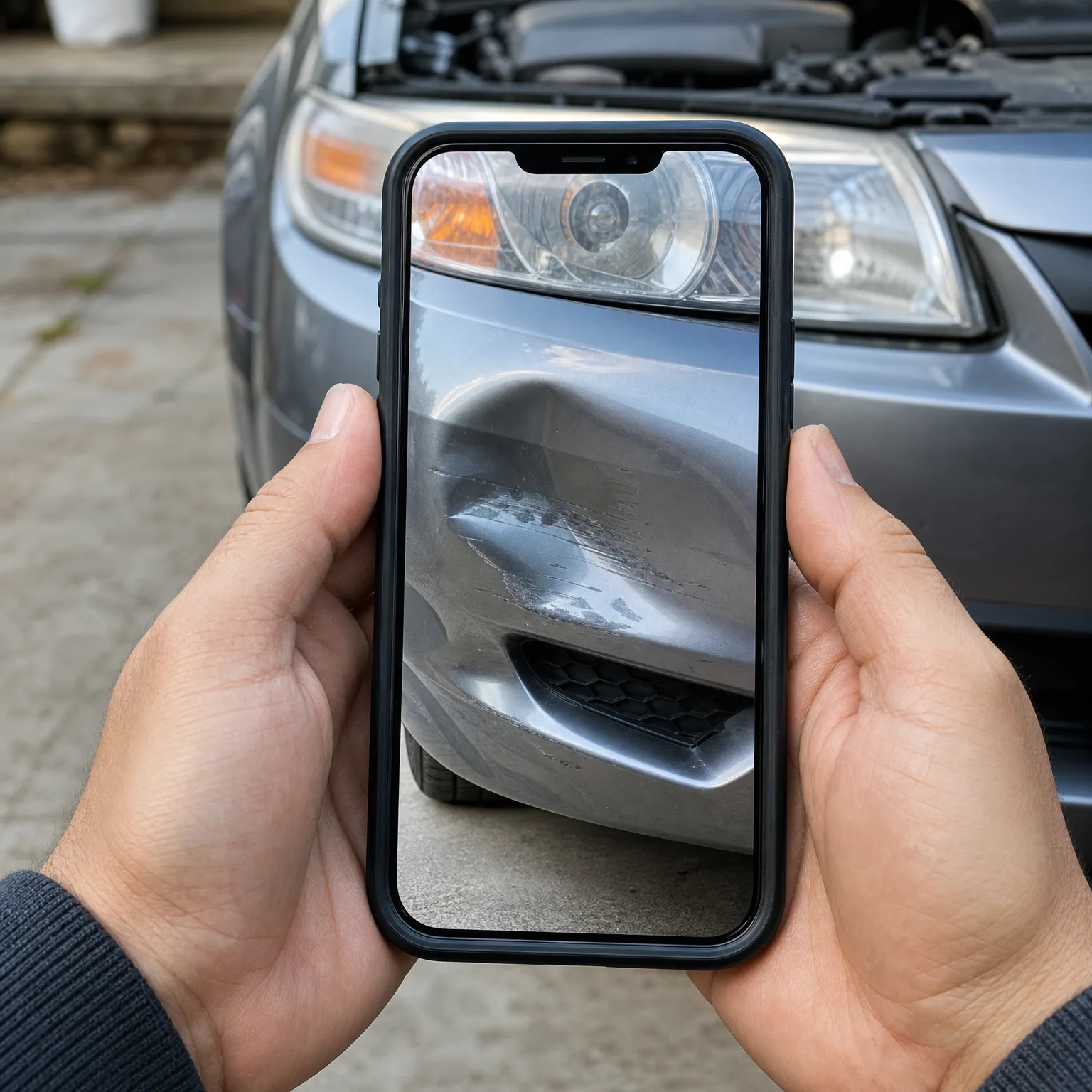
One newly married driver backed into a mailbox in a parking lot, cracking a taillight and scraping the bumper. The repair estimate came back lower than what the household would likely lose in higher premiums over the next few years if they filed. They called their insurer to ask for a rough sense of how a claim like this would affect renewal pricing, then paid the body shop directly and skipped the claim entirely.
A few months later, the same couple's other car was rear-ended at a stoplight by someone who sped off. The damage included frame work and a sensor recalibration, well beyond what either of them wanted to cover alone. They filed with their own insurer under uninsured motorist coverage, since the other driver couldn't be identified. Because the accident wasn't their fault, it was handled differently than an at-fault claim would have been, and the repair got done without draining their savings.
Will a claim after merging policies affect us both, even if only one drove?
Yes. Once you're both on the same policy, a claim tied to either driver becomes part of the shared household history that insurers look at when pricing the policy, not just the driver's individual record.
How much it matters depends on the insurer and sometimes the state, since some weigh the at-fault driver's record more heavily and others look at the policy as a whole. If you're still deciding when to combine policies, ask how claims get weighted before you merge, especially if one of you has a history of more claims than the other.

Filing a claim versus paying out of pocket yourself
If you do
You get the repair covered beyond your deductible and you're protected if costs run higher than expected, like hidden damage found mid-repair. The tradeoff is that the claim becomes part of your record, which can raise your rate at renewal and stay there for a period your insurer sets.
If you don't
You keep the claim off your record entirely, which matters most if you're close to a rate change or about to merge policies with a partner. The tradeoff is you're covering the full cost yourself, and if the damage turns out worse than it looked, there's no coverage to fall back on.
Once you know which repairs are worth filing, compare quotes to see how that choice plays out across insurers.

What actually decides whether to file
- Repair cost versus rate increase Get the repair estimate first, then ask your insurer roughly how much a claim like this would raise your rate and for how long. Compare the two numbers before deciding anything.
- Your deductible size If your deductible is close to the full repair cost, filing may barely help you financially. Check your deductible before assuming the claim is worth it.
- Who was at fault A not-at-fault claim, like being rear-ended, is often treated differently than one where you caused the damage. Ask your insurer how they handle not-at-fault claims specifically.
- Hidden damage risk Some damage looks minor until a mechanic opens things up. If there's any chance the repair cost could grow, filing protects you from paying for surprises alone.
- Timing with a merged policy A claim filed right before combining policies can follow you into the new household rate. If you're planning to merge soon, ask how recent claims factor in before you file.

Does paying out of pocket still have to be reported to my insurer?
No, in most cases you're not required to report an incident you're paying for yourself, as long as no one else is involved or injured. But check your policy's terms, since some require reporting any accident above a certain severity regardless of who pays. If another driver, pedestrian, or property owner was involved, you may have separate legal reporting obligations even if you don't file a claim with your own insurer.
How long does a claim stay on my record after I file it?
It depends on your insurer and sometimes your state, since there's no single standard timeframe. Ask your insurer directly how long a claim affects your rate and whether it's a flat period or gradually phases out. This matters most if you're weighing a small claim now against merging policies or shopping for new rates soon, since a recent claim can follow you into those decisions.
Can my partner's claim history raise my rate before we even combine policies?
No, not while you're still on separate policies with separate insurers, since each policy is priced on its own record. Once you merge, though, past claims tied to either of you typically become part of the shared pricing picture. If you're unsure how a specific past claim would factor in, ask the insurer you're considering merging with before you combine anything.