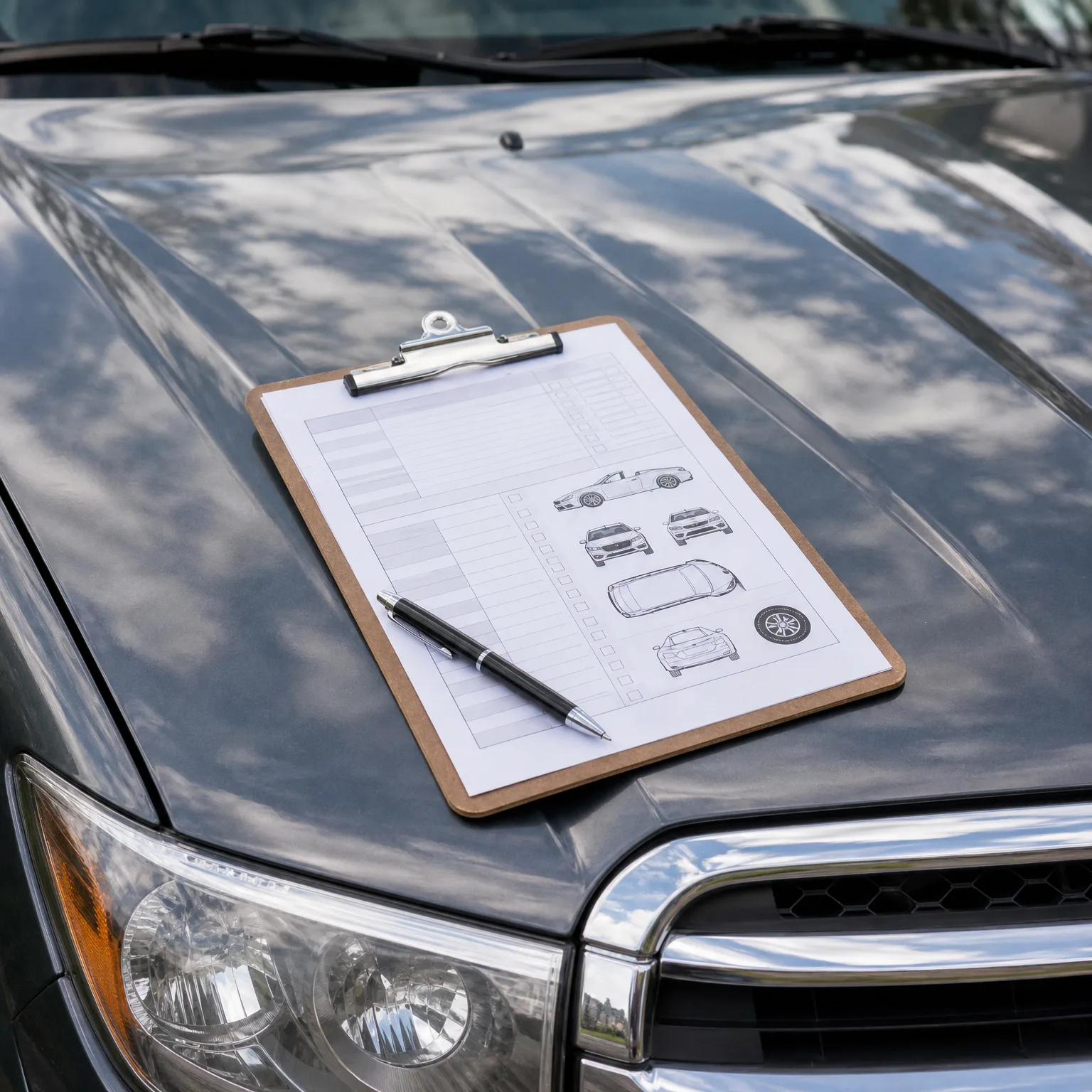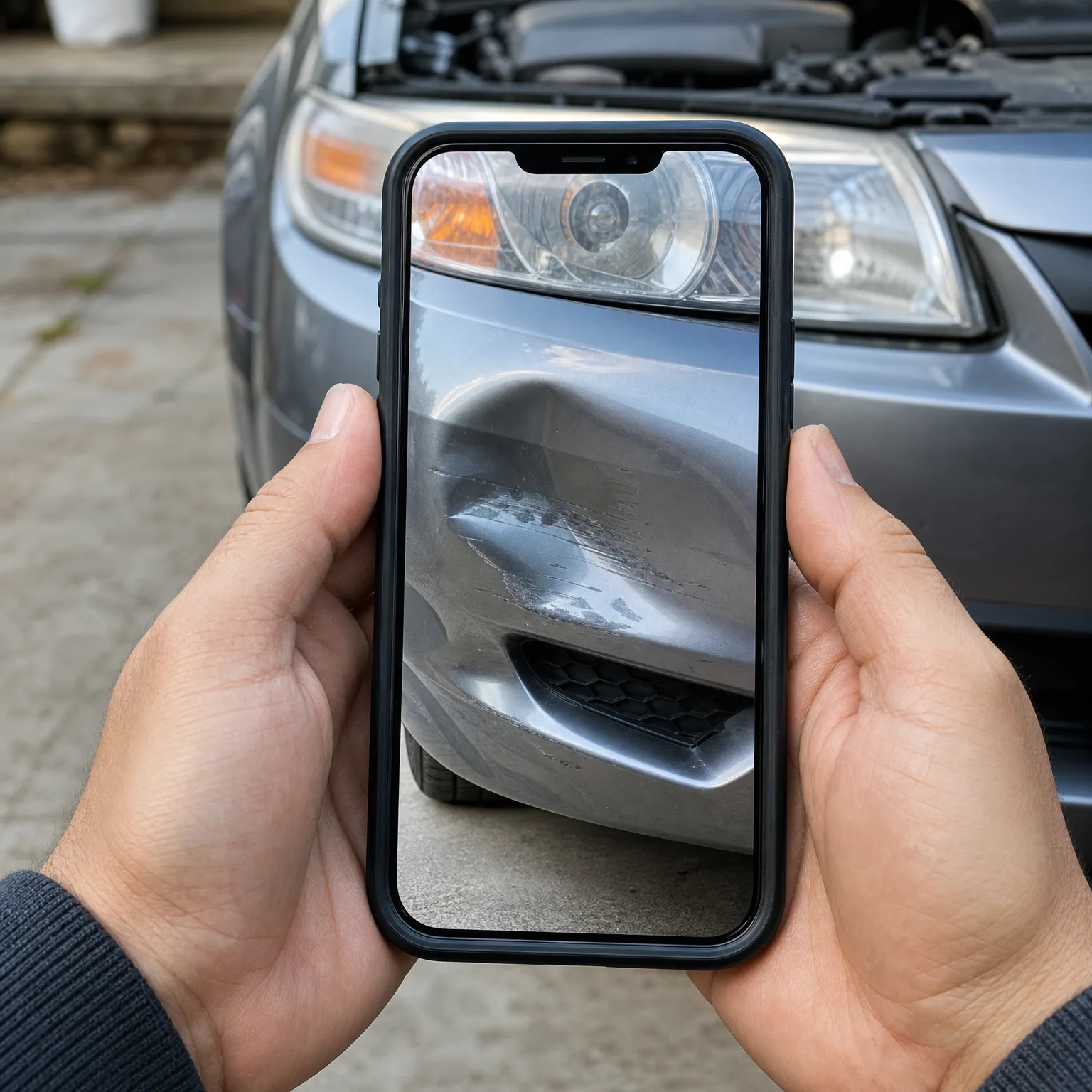
Is Filing a Police Report After a Car Accident Worth It
Yes, it's worth it, because a police report gives you an independent record of what happened before memories and stories start to shift.
Why a report protects you after the crash is over
A police report exists because insurers weren't there and can't see what happened. Without one, your claim comes down to your word against the other driver's, and adjusters have to guess who's telling the full story. A report gives them something neutral to work from, written by someone with no stake in who pays.
That neutrality matters most when the other driver changes their account later. People panic after a crash and say things like "I'm fine" or "it was my fault" out of instinct, then walk it back once they talk to their own insurer. A report made at the scene locks in details like position, damage, and admissions before anyone has time to reconsider them.
It also matters for injuries that don't show up right away. If pain or stiffness appears a day or two later, having an official record that places you at a specific crash, at a specific time, makes it far easier to connect that injury to the accident instead of defending the timeline from scratch.
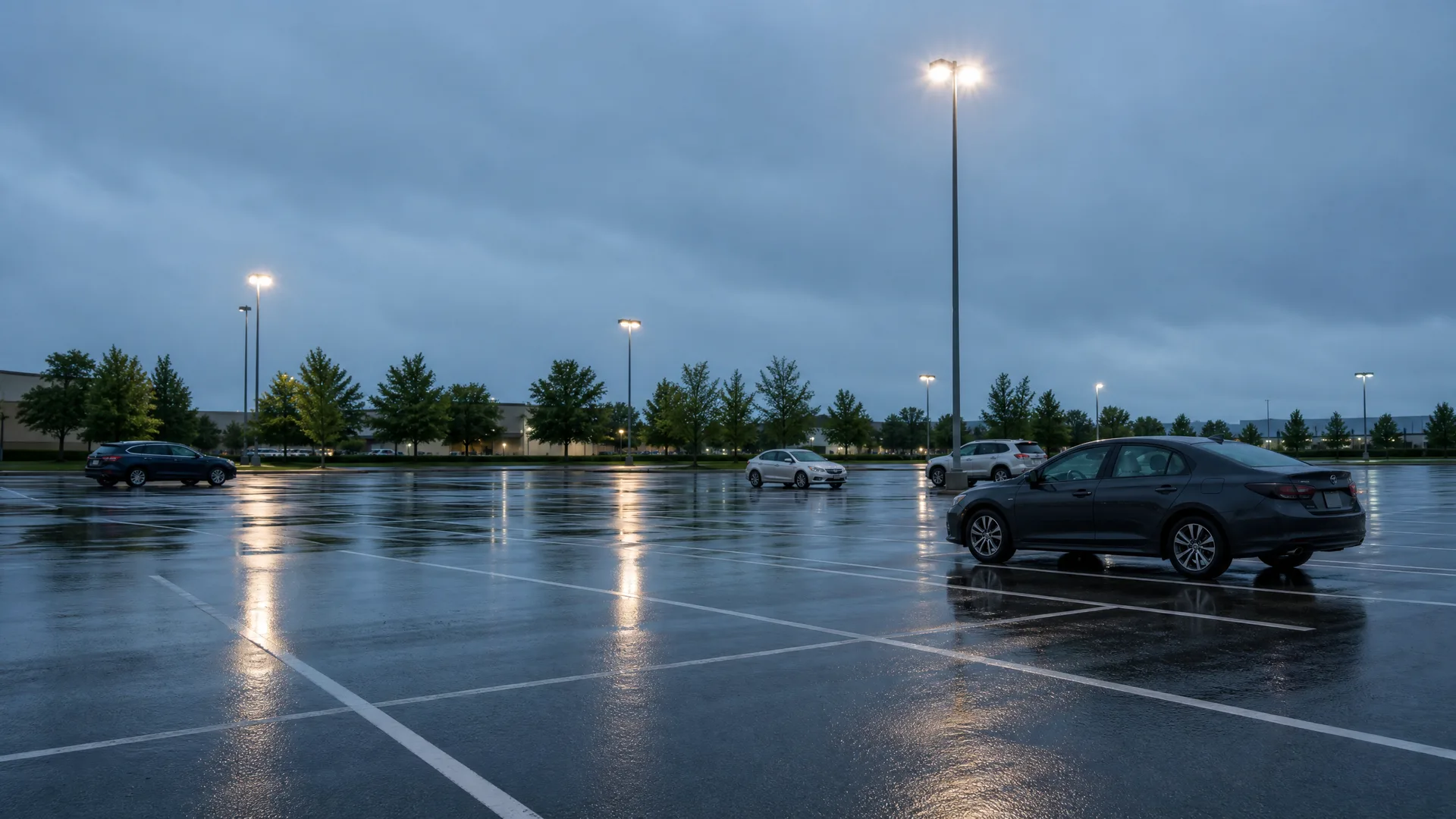
Where it works out differently is in very minor incidents, like a parking lot tap with no injuries and both drivers in full agreement about what happened. Some states and departments won't even send an officer for that. But once there's disagreement, injury, or real damage, the report stops being optional in any practical sense, even if it's optional on paper.

The short version
Filing a police report is worth it because it creates an independent record that protects you if the other driver's story changes or injuries appear later. Call it in whenever there's damage, injury, or disagreement. Skip it only for truly minor, no-dispute scrapes.
What if the other driver convinces me not to call the police?
Call anyway. A driver who pushes hard to keep police out of it is usually trying to avoid something, a suspended license, no insurance, or fault they don't want documented. Their comfort with skipping the report isn't a reason for you to skip it too.
If they talk you out of it and then deny what happened later, you're left with no official record and just your account against theirs. The call costs you a short wait at the scene. Not making it can cost you the entire claim.
Now that you know a police report backs up your claim, compare quotes with that confidence already in hand.

A rear-end tap that turned into a real claim
You're stopped at a light and get rear-ended lightly. Both bumpers look fine, the other driver seems apologetic, and they ask to just exchange numbers and skip the police so it doesn't go on their record. It feels reasonable in the moment, so you agree and drive off.
Two days later your neck starts hurting and a mechanic finds frame damage you couldn't see at the scene. You call the other driver and now they're not answering, and their insurer wants a recorded statement before they'll even open a claim. Without a report, there's no neutral record of the crash, the location, or who hit whom, so it becomes your word against a driver who's gone quiet. The claim drags for weeks and your insurer ends up covering it through your own policy, which is exactly the outcome a five-minute call would have avoided.
The report isn't paperwork for the police, it's evidence for you, made while the truth is still easy to prove.