Is Collision or Uninsured Motorist Coverage Better
They aren't competing options, collision covers damage to your car and uninsured motorist coverage covers harm from a driver who can't pay.
They answer two different questions, not the same one
Collision coverage pays to repair or replace your car after it hits another vehicle or object, regardless of who caused the crash. Uninsured motorist coverage steps in when the other driver is at fault and either carries no insurance or doesn't carry enough to cover what you lost. One is about your car, the other is about a driver who can't or won't pay.
The reason people confuse them is that both can apply after the same crash. If an uninsured driver hits your car, collision coverage can pay for the damage to your vehicle while uninsured motorist property damage, where it exists, can also apply, and uninsured motorist bodily injury can cover medical costs and lost income for you and your passengers. Which one actually pays, and how much, depends on your policy and your state, since some states fold property damage into the uninsured motorist coverage and others don't offer it at all.
Where they genuinely diverge is injuries. Collision coverage never pays for medical bills or lost wages, no matter who caused the wreck. If you're hurt by a driver with no insurance, uninsured motorist bodily injury may be the only coverage standing between you and paying those costs yourself, since your own health insurance may not cover everything and the at-fault driver has nothing to pay with.
So the honest comparison isn't which one is better. It's which gap worries you more, damage to your car or a crash with someone who can't pay for the harm they caused. Most people carrying a loan or lease need collision regardless, and most people driving where uninsured drivers are common benefit from uninsured motorist coverage regardless. Check what your state requires or offers automatically, since some states include a form of this coverage unless you reject it in writing.
The short version
Collision and uninsured motorist coverage protect against different problems, so the question isn't which is better but whether you need both. Collision pays for your car regardless of fault. Uninsured motorist coverage pays for injuries, sometimes property damage, when the at-fault driver can't cover it. Check your state's rules, then get quotes with both included.
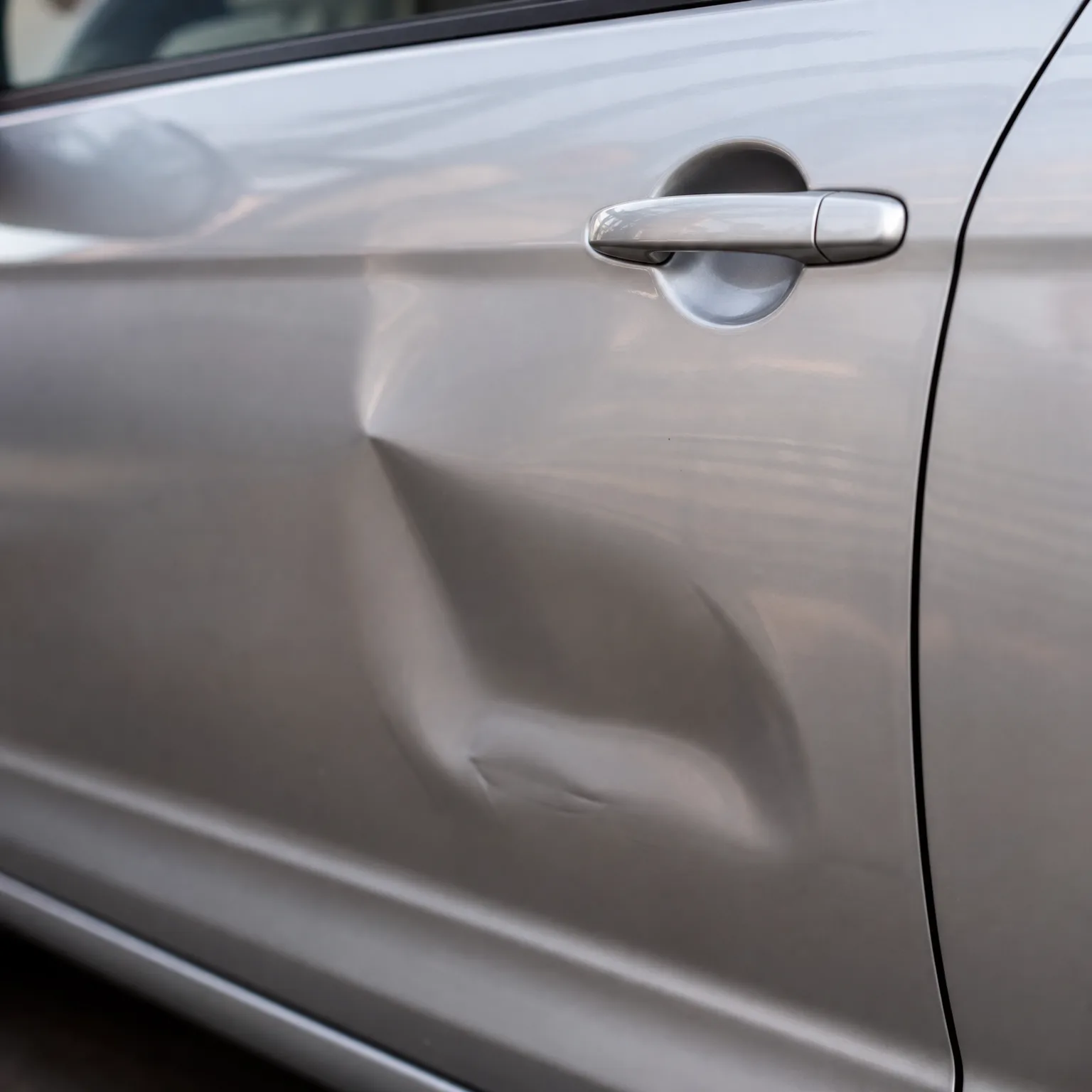
A driver with no insurance hits your car at a light
Say you're stopped at a red light and another driver rear-ends you. They hand over their information, but when you call to file a claim, their insurance has lapsed. Your car needs real repair work, and you're dealing with neck pain that sends you to urgent care. Without uninsured motorist coverage, you'd be filing against a driver with nothing to pay you, and without collision coverage, you'd be paying for the repair yourself.
In this situation, collision coverage pays for your car's damage up front, letting you get it repaired without waiting on the other driver. Uninsured motorist bodily injury coverage then pays for your medical treatment and any lost income from missing work, since the at-fault driver has no insurance to cover it. If your state includes uninsured motorist property damage, that might cover your repair costs instead of or alongside collision, depending on how your policy is written. Either way, having both meant the crash became a paperwork problem instead of a financial one.
Compare quotes that include both coverages so you can see what full protection actually costs before you decide.

Whether you carry both collision and uninsured motorist coverage
If you do
If you carry both, a crash with an uninsured driver or a crash that's your own fault gets handled the same way, your car gets repaired and your medical costs get covered without waiting on someone else's insurance that may not exist or may not pay enough to cover what happened.
If you don't
If you skip one, you're exposed on that side. Skip collision and an at-fault crash means paying for repairs yourself. Skip uninsured motorist coverage and a crash with an uninsured driver means your medical bills and lost wages may fall on you, since the other driver has nothing to pay with.
Does uninsured motorist coverage cover my car or just injuries?
It depends on your state. In some states, uninsured motorist coverage includes a property damage portion that can pay for your car, while in others it only covers bodily injury and you'd rely on collision coverage for the vehicle itself. Check how your state structures this coverage, since the terminology and what's bundled together varies. If your state doesn't offer uninsured motorist property damage, collision coverage becomes the only way to get your car repaired after a crash with an uninsured driver, which makes carrying it more important.
Is underinsured motorist coverage the same as uninsured motorist coverage?
No, they cover two related but different situations. Uninsured motorist coverage applies when the at-fault driver has no insurance at all. Underinsured motorist coverage applies when they have insurance, but their limits aren't enough to cover your medical costs or damage. Many policies bundle these together as one coverage, but some let you choose different limits for each. Check your policy to see whether both are included, since carrying uninsured coverage alone could still leave you exposed to a driver who has some insurance but not enough.
Can I drop collision coverage once my car is paid off?
Yes, but whether you should depends on your car's value and what you could afford to repair or replace out of pocket. If your car is worth very little, collision coverage might cost more over time than the payout would be worth. If a loan or lease requires it, you can't drop it until that's paid off. Check your car's current value against what you'd pay in premiums before deciding, and remember that dropping collision doesn't affect your uninsured motorist coverage at all.