Is a Multi Car Discount Worth It for an Older Car
Yes, adding your older car to one policy almost always saves money, even if that car itself carries only basic coverage.
Why the discount still pays off on an older car
Insurers give multi car discounts because bundling two cars under one household cuts their cost of doing business. One billing account, one renewal, one set of paperwork to manage instead of two. That saving exists no matter what either car is worth, so it applies even when one vehicle is old and the other is new.
The only real question is whether the older car still needs enough coverage to make combining meaningful. If that car only carries liability because it isn't worth collision or comprehensive coverage, you're still folding its liability premium into a discounted household rate. The discount applies to the policy structure, not to the value of the car sitting in the driveway.
Where it can work out differently is when the older car is driven so rarely that a separate, minimal policy or a usage based option ends up cheaper on its own. If it's a backup car, a project car, or something driven only a few times a year, it's worth comparing a bundled price against a standalone low mileage policy before assuming bundling wins automatically.
The other variable is who's driving each car and their record. Multi car discounts are calculated per insurer, and the exact savings and eligibility rules vary by state and by company. Ask directly how the discount is applied when you get quotes, since some insurers discount each car's premium and others apply one household rate.
Should I drop coverage on the older car to save more instead of bundling it?
Not automatically. Dropping collision or comprehensive on an old car can make sense if its value is low, but that's a separate decision from whether to bundle it with your other policy. You can drop extra coverage and still keep it on the same multi car policy, getting both savings at once.
The mistake is assuming you have to choose one or the other. Price it both ways, with the older car carrying liability only and bundled, versus on its own. In most cases bundled liability still costs less than a standalone policy for the same car, so there's rarely a reason to keep it separate just because it's old.

Whether to bundle the older car with your main policy
If you do
You'll likely see your overall premium drop right away, since most insurers apply the discount the moment a second car joins the policy. Paperwork simplifies to one renewal date and one bill. If the older car is rarely driven, ask about mileage based adjustments so you're not overpaying for coverage you barely use.
If you don't
You'll keep two separate policies, two renewal dates, and two full administrative fees instead of one. You lose the household discount entirely, even if the older car only needs minimal coverage. The upside is flexibility if you plan to sell or scrap the car soon and don't want to adjust a shared policy.
Compare quotes with both cars bundled to see exactly what the multi car discount saves you.

Does the older car's low value still get discount if it only has liability coverage?
Yes. The discount is based on having multiple vehicles under one policy, not on the value or coverage level of each car. An older car with liability only still qualifies as the second vehicle that unlocks the household discount. What changes is how much total premium there is to discount, since liability alone costs less than full coverage. Check with the insurer how they structure it, since some give a flat percentage off each vehicle and others blend it into one combined rate.
Will adding an old high mileage car to my policy raise my other car's rate?
It can, but usually only slightly and the bundling discount typically offsets it. Insurers look at the full household risk, so an older car with no major claims history shouldn't move the needle much. What matters more is who drives it and their record. If a driver with tickets or accidents is tied to that car, that risk gets priced in regardless of the car's age, so check how drivers are assigned to vehicles on the quote.
Is it better to insure an old car separately if I rarely drive it?
Sometimes, if a usage based or low mileage policy prices out cheaper than the bundled rate. This depends entirely on the insurer and how they price infrequent drivers. Ask for both quotes, bundled and standalone, before deciding. If the car sits most of the year, mention that mileage upfront since some insurers adjust pricing for it even within a multi car policy, which could make bundling worth it anyway.
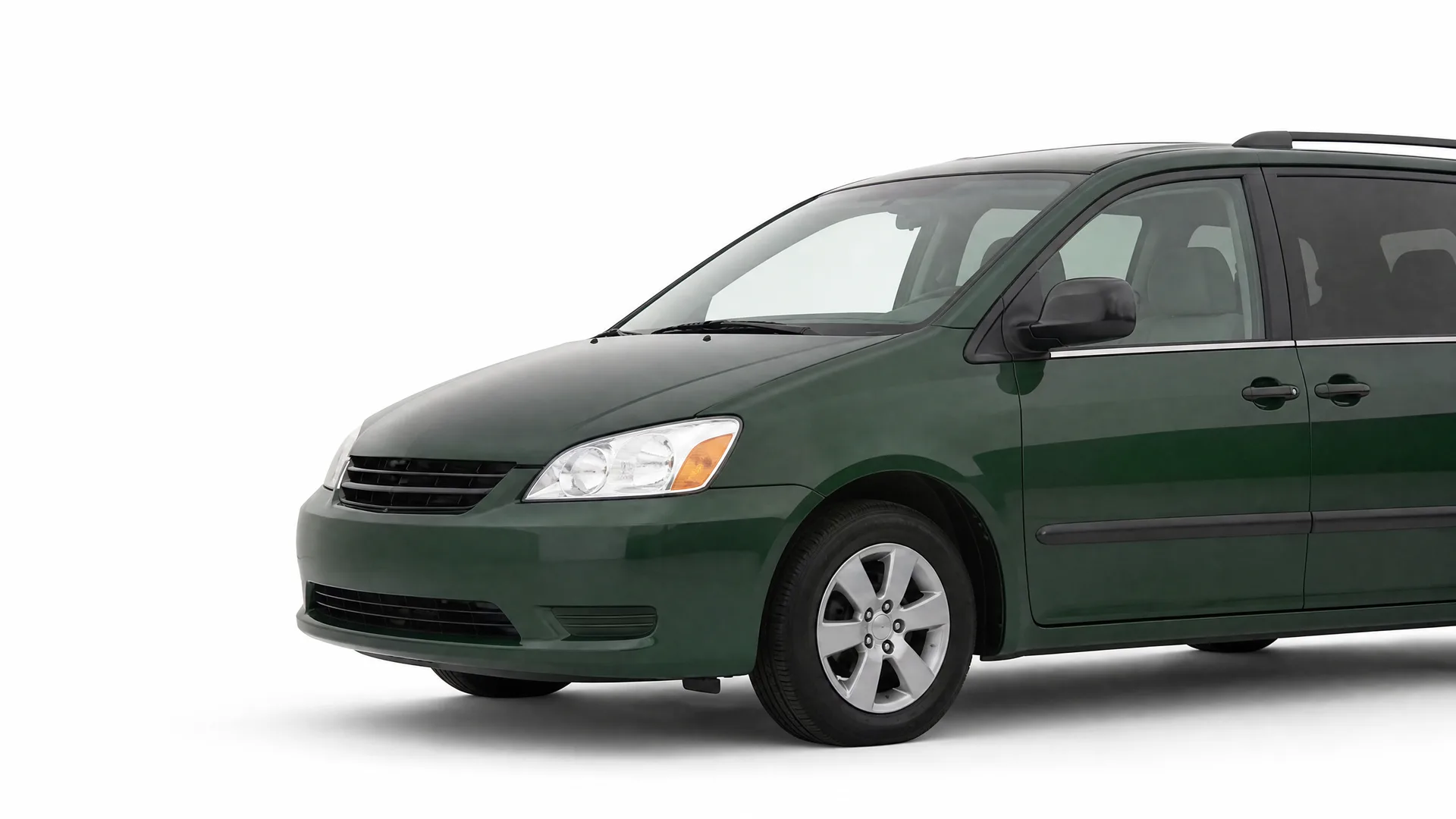
The car's age doesn't decide the discount. Whether it's still insured at all on a real policy does.