Is a 2 Million Umbrella Policy Good
For most people with a home, savings, or steady income to protect, 2 million in umbrella coverage is a solid, often sufficient, amount.

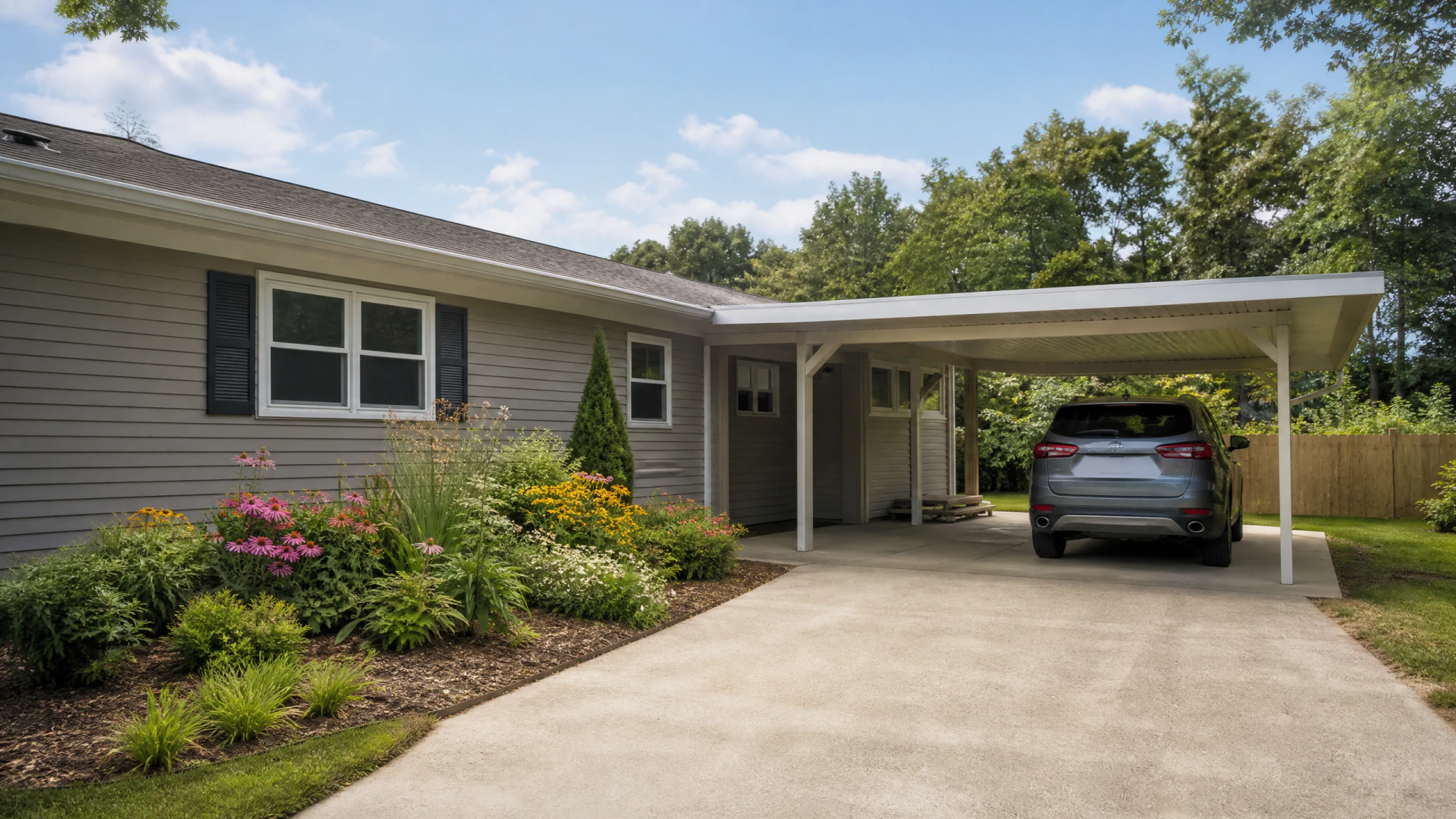
A homeowner with a pool and a teen driver
A couple owned a home with a backyard pool, had two cars, and had just added their teenage son to their auto policy. They carried standard liability limits on both the home and auto policies, but a pool and a new driver meant more ways for a lawsuit to exceed those limits after a serious accident or injury on their property. Their combined assets, including home equity and retirement savings, were worth protecting beyond what their base policies covered.
They looked at their total assets plus a chunk of future income, since a judgment can follow a person for years. That number landed comfortably under 2 million, so they added an umbrella policy at that level sitting on top of their existing home and auto coverage. The cost was modest compared to the coverage gained. Later, a neighbor's child was injured in the pool, and the family's underlying liability limits were nearly reached by medical costs alone. The umbrella picked up the rest, and the family's own savings were never touched.

The short version
A 2 million umbrella policy is good if it covers your total assets plus a reasonable stretch of future income, since that's what a lawsuit can actually reach. For many homeowners with a car, a house, and some savings, that amount fits well. Add up what you'd lose in a worst-case lawsuit, then size the policy to match.
Should I buy more than 2 million in umbrella coverage?
You should buy more if your assets, income, or risk exposure genuinely exceed what 2 million would cover. This usually means people with significant home equity, investment accounts, rental properties, a high income that could be garnished, or higher-risk features like a pool, trampoline, or dogs with a bite history.
If you're a renter with modest savings and a single car, 2 million is likely more than enough, and a smaller policy might even do. The right amount comes from totaling what you actually have to lose, not from picking a round number because it sounds safe. When in doubt, ask your insurer to walk through your specific assets and exposures so the limit matches your real risk, not just a guess.
Once you know what your assets and exposure call for, compare umbrella quotes to find that coverage at the best price.

What decides if 2 million is the right number
- Total assets exposed Add up your home equity, savings, and investments, since that's what a judgment can take. If that total is near or above 2 million, consider going higher.
- Future income at risk Courts can garnish wages after a judgment, so high earners face more exposure than their savings alone show. Factor in several years of income, not just this year's.
- Underlying policy limits Umbrella coverage sits on top of your home and auto liability limits, and insurers often require minimums on those first. Check your current limits before assuming the umbrella fills every gap.
- Risk factors at home Pools, trampolines, dogs, and teen drivers all raise the odds of a serious claim. If you have any of these, lean toward the higher end of what you're considering.
- State rules on judgments Some states protect certain assets, like retirement accounts or home equity, from judgments more than others. Check your state's exemption rules, since they affect how much coverage you actually need.
The right amount isn't a standard number, it's whatever covers everything you'd actually lose.