Is 30/60 Liability Coverage Enough
For a lot of drivers 30/60 is thin protection, enough to meet the law but not enough to cover a real crash.
What decides if 30/60 is enough for you
- What you own If you have savings, a home, or other assets, a bad crash can expose them to a lawsuit beyond your limits. Check what you'd lose if a claim went past 30/60.
- What you drive and where Newer cars, highway commutes, and crowded cities raise the odds of a costly crash. Think about how often you're in situations where a bigger accident is possible.
- Your per person limit Thirty thousand per person can run out fast if someone is seriously hurt, even if the overall crash limit seems fine. Look at the per person number, not just the total.
- What state law requires Some states set minimums higher or lower than 30/60, and some require extra coverage types. Check your state's actual minimum before assuming 30/60 is standard.
- Other coverage you hold Umbrella coverage or higher limits elsewhere can offset thin liability limits. If you don't have either, 30/60 is doing all the work by itself.
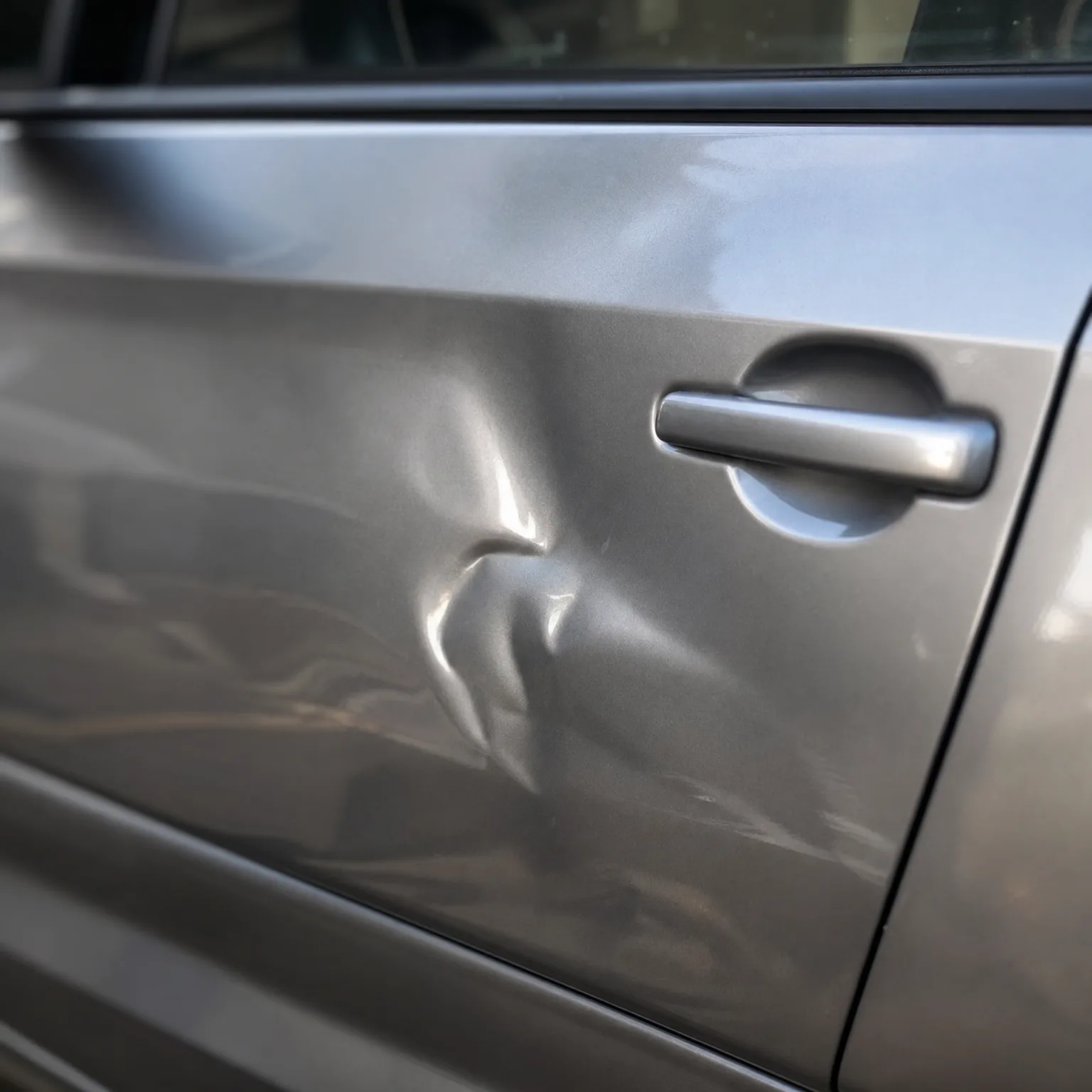
When 30/60 almost wasn't enough
A driver in their early thirties carried 30/60 because it was what their insurer first quoted them, and it matched the state minimum. They rear ended another car at a stoplight, and the other driver needed surgery and months of physical therapy. Medical bills alone passed the per person limit before lost wages and pain and suffering were even added up.
The insurer paid out the max under the policy, but the injured driver's lawyer came after the at fault driver directly for the rest. Because they didn't own a home or have much saved, the case settled for less than it might have otherwise, but it still cost them sleep for a year and nearly cost them more. After that they raised their limits and added an umbrella policy, deciding the extra cost was worth never being in that position again.

Treat 30/60 as a starting point to check against your own risk, not a number automatically right for you.
Once you know whether 30/60 fits your situation, compare quotes at higher limits and see what more coverage costs.

Should you raise your limits above 30/60
If you do
You pay a little more each month, but a serious crash won't immediately put your savings or future wages on the table. Claims adjusters and lawyers also tend to settle more reasonably when they see higher limits backing the policy, which can mean less stress and a faster resolution for you.
If you don't
You keep your premium lower now, but you're exposed if a crash causes injuries that cost more than your limits. Once the insurer pays out the max, any remaining costs can be pursued against you personally, through your income, savings, or other assets.
Why 30/60 works for some drivers and not others
Liability limits exist to cover what you owe someone else after a crash you caused, not to protect your own car or body. The state minimum, often close to 30/60 in many places, was set as a floor to make sure some money is available, not as an estimate of what a real accident actually costs. That's why it can feel adequate until the moment it isn't.
The per person limit is usually the first number to run out. Serious injuries, especially ones involving surgery, hospitalization, or long term care, can cost far more than thirty thousand for one person, let alone two or three people in the same crash. When that happens, the gap between what the policy pays and what's owed becomes the driver's personal responsibility.
Whether that risk matters to you depends on what you have to lose. A driver with few assets and low income is harder to collect from, so a lawsuit over the gap may not go very far in practice. A driver with savings, equity, or steady income is a more attractive target for a claim, which is exactly why asset level and limit level should move together.
State rules also shape the picture. Some states have no fault systems or added coverage requirements that change how much weight liability limits carry versus other parts of the policy. Check your own state's system before comparing your limits to someone else's, since the same 30/60 can mean different things depending on where you live.