If Someone Wrecks Your Car Who Is Responsible
The driver who caused the crash is responsible, and their liability insurance is what pays for your car.
What decides who pays after your car gets wrecked
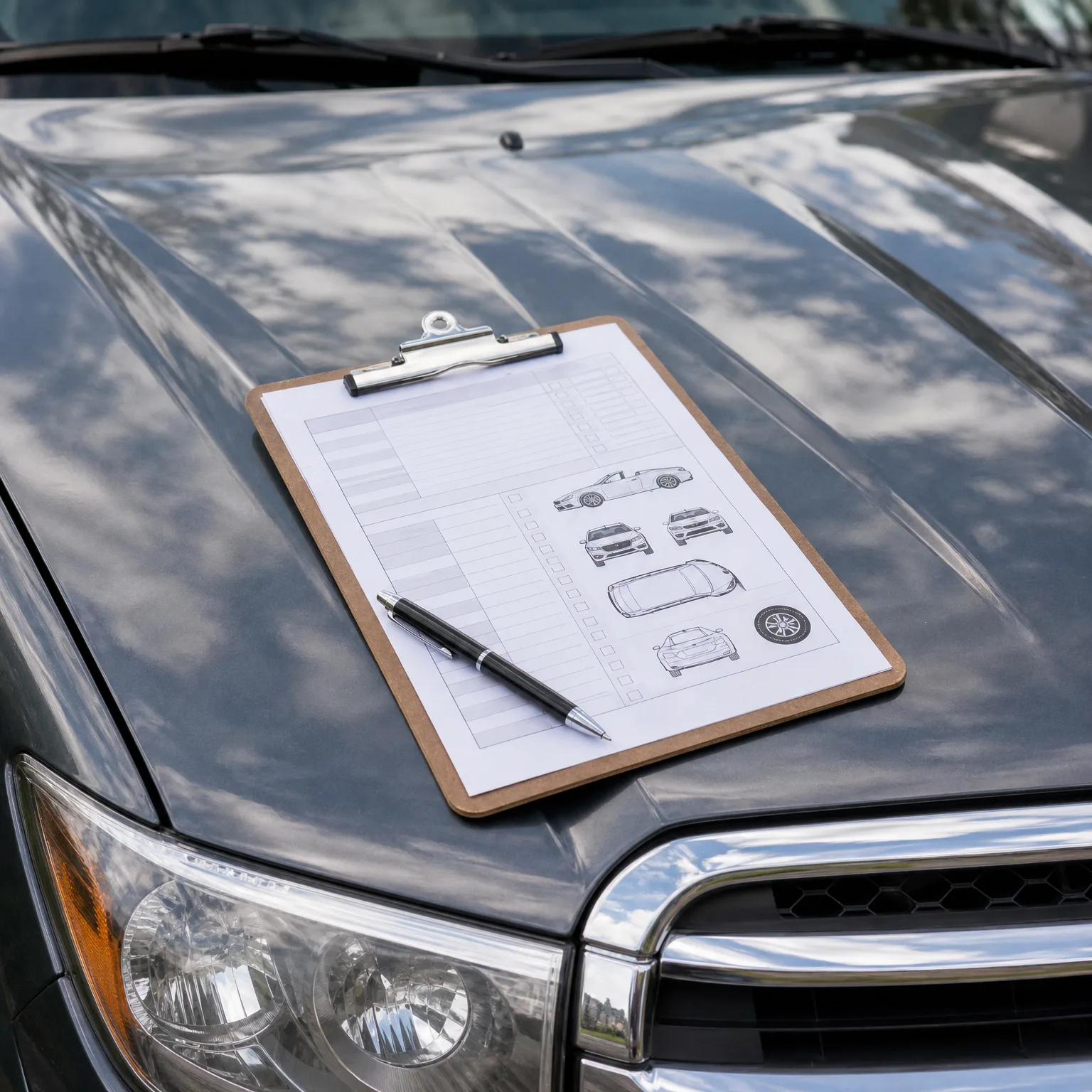
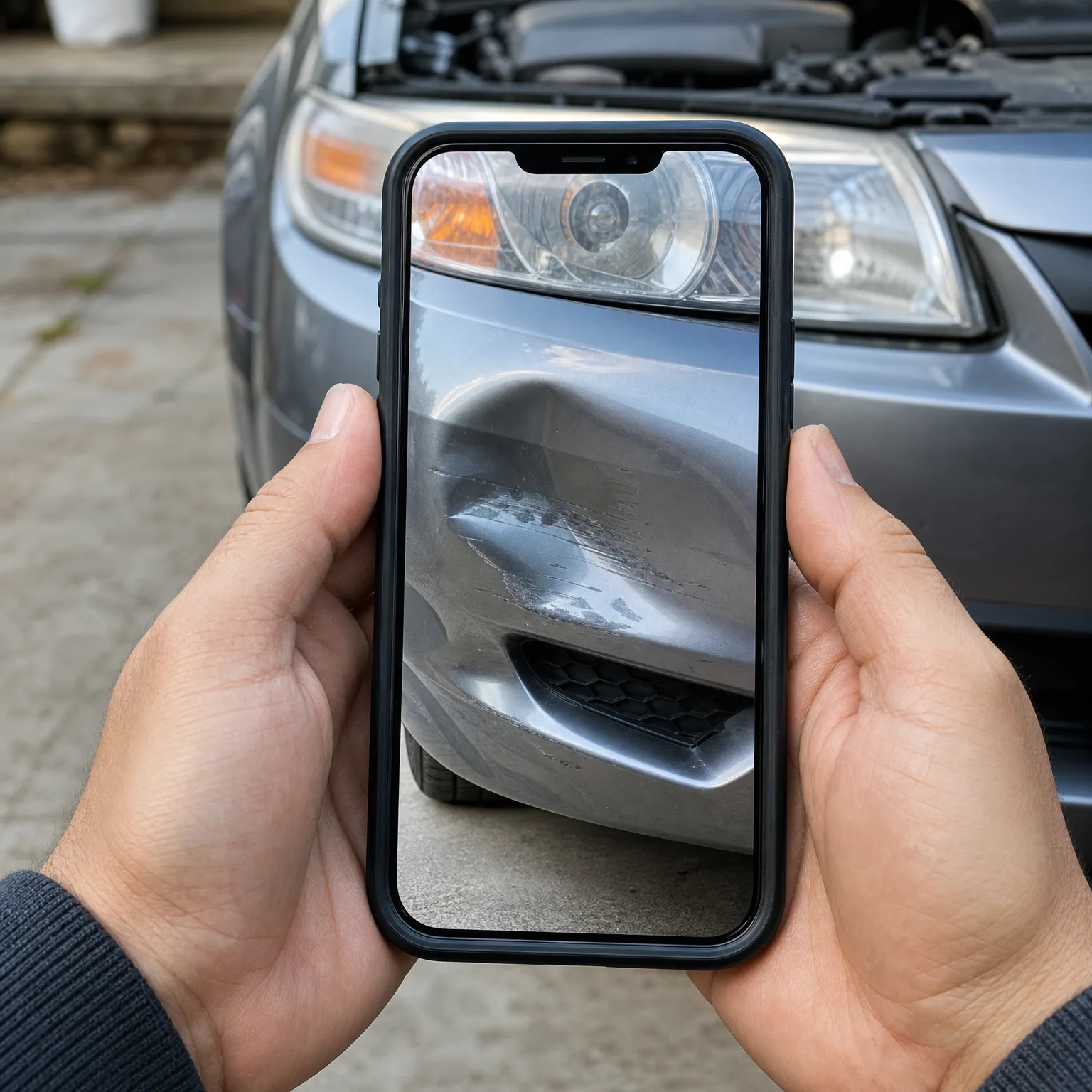
- Fault gets determined first An insurer or police report decides who caused the crash before anyone pays anything. Get a police report and photos at the scene so fault isn't just one driver's word against another's.
- Their liability coverage pays The at-fault driver's liability insurance is supposed to cover your car's damage. File a claim against their policy, not your own, unless they have no insurance or not enough.
- Collision coverage is a backup If you have collision coverage, you can use it to get your car fixed right away and let the insurers sort out fault later. You may owe your deductible upfront, but it often comes back to you once fault is confirmed.
- Uninsured drivers change things If the other driver has no insurance or too little, your own uninsured motorist coverage is what pays instead. Check your policy now to see if you even carry this coverage, since it isn't required everywhere.
- Shared fault can split the bill Some states reduce what you can recover if you're found partly at fault, even a little. Ask your insurer how your state handles shared fault before you assume you'll be covered in full.
A rear-end crash at a stoplight
You're stopped at a light and another driver rear-ends you. There's no question about who caused it, so you exchange information, take photos of both cars, and call the police to get a report filed. You contact the other driver's insurer to start a claim, since their liability coverage is meant to pay for your repairs.
The other insurer takes a few days to confirm the report and accept fault, and you don't want your car sitting damaged that whole time. You decide to use your own collision coverage instead, pay your deductible, and get the repair shop started immediately. Once the other insurer formally accepts fault, your insurer recovers the deductible from them and refunds it to you. You end up with your car fixed fast and no money permanently out of pocket, just a short wait for the paperwork to catch up.
Now that you know who's responsible, compare quotes to make sure your own coverage backs you up when you need it.

Filing through your own collision coverage first
If you do
Your car gets fixed faster since you're not waiting on another insurer to confirm fault. You may pay your deductible upfront, but it typically gets reimbursed once the other driver's insurer accepts responsibility. Your insurer handles the back-and-forth instead of you.
If you don't
You wait on the other driver's insurer to investigate and approve the claim before any repairs start. If they dispute fault or delay, your car sits damaged longer and you have no guaranteed timeline. You carry all the back-and-forth yourself.
Why the at-fault driver's insurance is supposed to cover it
Car insurance is built around the idea that whoever causes damage should pay for it. Liability coverage exists specifically for this, so when another driver causes a crash, their policy is the one that's supposed to pay for your car, not yours. This is why insurers investigate fault so carefully before paying out anything.
The complication is that confirming fault takes time, and your car doesn't stop being damaged while that happens. This is where your own collision coverage becomes useful, not because you caused the crash, but because it lets you get moving without waiting on someone else's insurer. Your insurer then steps into your shoes and seeks reimbursement from the at-fault driver's insurer, a process usually called subrogation.
Things look different when the at-fault driver has no insurance or not enough to cover your damage. In that case your own uninsured or underinsured motorist coverage, if you have it, becomes the one paying out. This coverage isn't required in every state, so whether you have it at all depends on what you selected and where you live.
Fault also isn't always a clean line. Some crashes involve shared responsibility, and how much that affects your payout depends on the rules where you live. A state that reduces your recovery for being partly at fault works very differently from one that doesn't, so it's worth checking your state's approach rather than assuming either way.
What if the other driver's insurance denies the claim?
If the other insurer denies the claim, you still have options because you're not stuck waiting on their decision. You can file through your own collision coverage if you have it, get your car repaired, and let your insurer argue the fault dispute directly with the other company on your behalf.
If you don't have collision coverage, you can also dispute the denial yourself, using the police report, photos and any witness statements to push back. Some denials get reversed once more evidence comes in. If the other driver is uninsured or the denial sticks, your uninsured motorist coverage, where you have it, becomes the next line of defense.