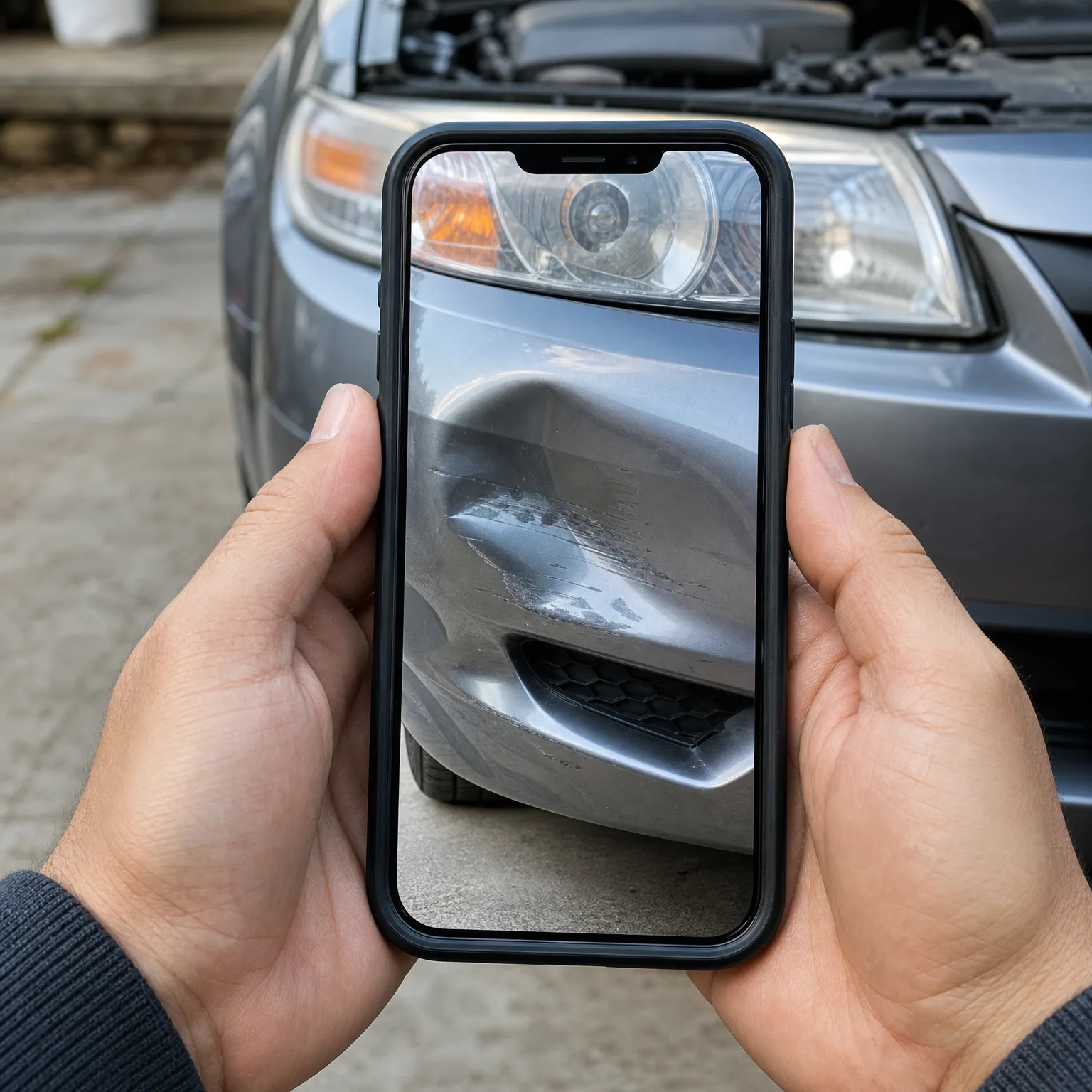
How to Avoid an Insurance Increase After an Accident
The increase depends less on the accident itself and more on what you do before and after it.
The rate reacts to fault and history, not just the crash
An accident alone doesn't set your new rate. The insurer looks at who was at fault, how much they paid out, and how that fits against your past record. A first accident with no prior marks often raises you less than a second one would, because insurers are really pricing the pattern, not the single event.
Fault matters more than almost anything else. If the accident gets recorded as not your fault, many insurers won't raise your rate for it at all, which is why disputing a wrong fault determination is worth the effort when the facts support you. If you carry accident forgiveness, built into your policy or earned through years of clean driving, that can also stop a first accident from touching your rate.
How you report the claim shapes the outcome too. Filing a claim for a small amount can cost you more in future premium than it recovers now, since insurers weigh frequency of claims as much as size. Paying a minor repair yourself, when you can afford to, sometimes protects your rate better than filing does.
State rules change the specifics. Some states limit how long an accident can affect your rate or require insurers to disclose how much a surcharge will be before you decide to file. Check what your state and insurer each allow before you assume the worst.

The short version
Your rate rises based on fault, your claims history, and whether you file at all, not the accident by itself. Fight an inaccurate fault call, consider paying small damage out of pocket, and ask your insurer what accident forgiveness or surcharge rules apply before you decide anything.
What actually determines whether your rate goes up
- Who was found at fault A not-at-fault accident usually doesn't raise your rate at all. If the fault call seems wrong, dispute it with evidence before it's finalized.
- Whether you file a claim Small repairs sometimes cost less paid out of pocket than the premium increase from filing. Compare the repair cost against what a claim could add to your rate first.
- Accident forgiveness rules Some policies protect your first accident automatically or after years of clean driving. Ask your insurer directly whether you already have it or can earn it.
- Your full claims history Insurers weigh how often you've claimed, not only how bad each incident was. Avoid filing for minor costs if you've already got other claims on record.
- State surcharge disclosure rules Some states require insurers to tell you the surcharge before you file a claim. Ask for that number before deciding, since it varies by state and insurer.
Once you know what's driving your rate, compare quotes to see what a clean strategy after an accident is really worth.

A fender bender that didn't have to cost more
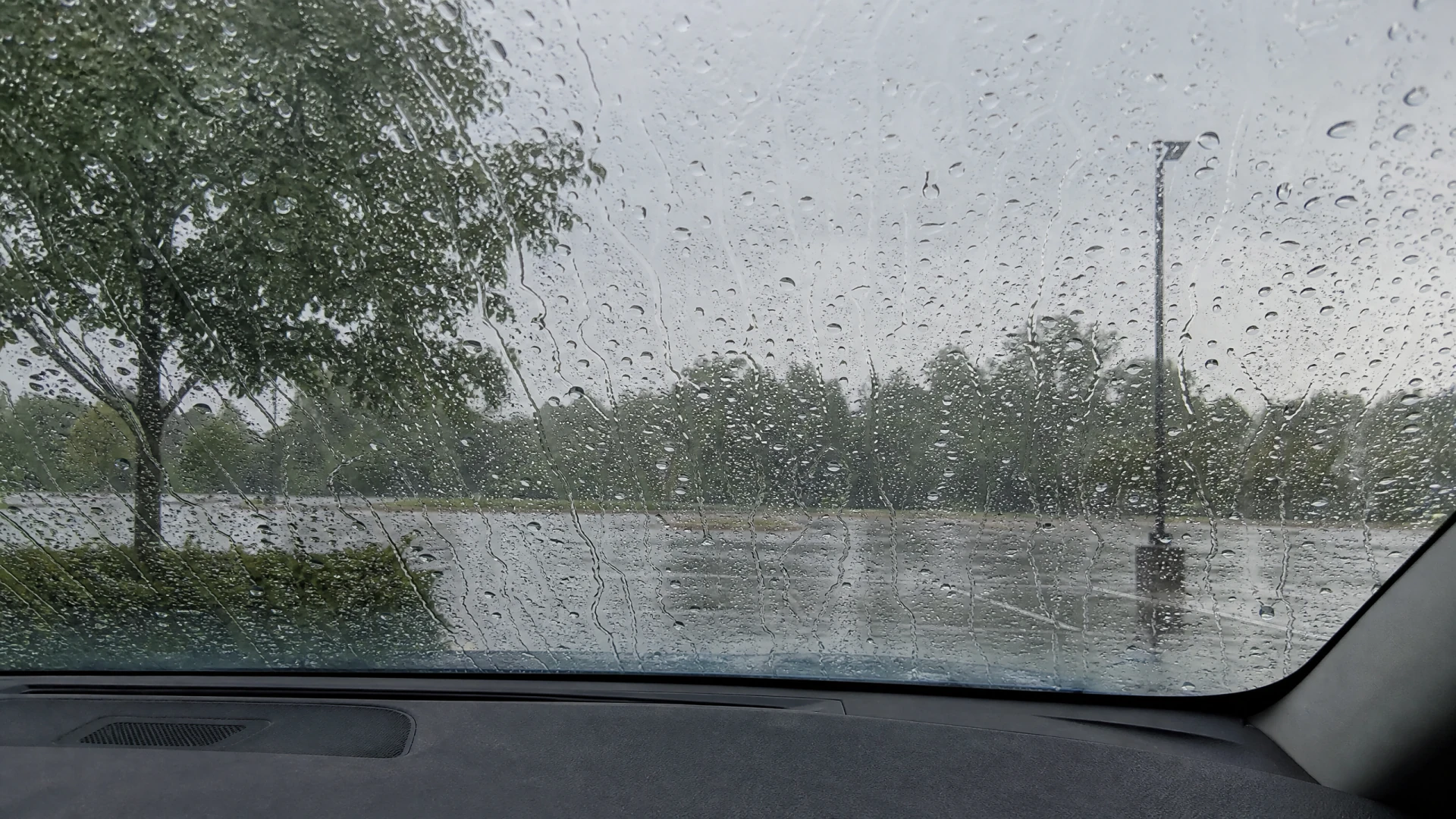
You're rear ended at a stoplight. The damage to your bumper is minor, maybe a dent and a scratch, and the other driver admits fault to the police on scene. Instead of filing right away, you first get a repair estimate and call your insurer to ask how a not at fault claim would affect your record in your state.
Your insurer confirms the other driver's insurance will cover it, and because you weren't at fault, it won't surcharge your policy either way. You file through the other driver's insurer instead of your own, so it never touches your claims history at all. Your rate stays exactly where it was at renewal, because the one factor that mattered, fault, was never in question once you checked before acting.

The accident doesn't set your rate. Fault, your claims history, and whether you file do.