How Does Car Insurance Liability Coverage Work
Liability coverage pays for the other person's damage and injuries when you're at fault, up to limits you chose, nothing beyond.
It only pays for the other side, and only up to your limit
Liability coverage exists because every state wants a driver who causes a crash to be able to pay for the harm they caused. It splits into two pieces, one for the other person's injuries and one for their car or property. When you cause an accident, your insurer uses this coverage to pay the other driver, their passengers, or whatever you hit. It never pays for your own car or your own injuries, that's a separate kind of coverage entirely.
The limit you pick is the most your insurer will pay out for a single accident, split across the injury and property pieces. If the damage costs more than your limit, you're personally on the hook for the rest. This is the part people misunderstand most, they think buying insurance means they're covered for anything that happens, but liability only covers what you did to someone else, capped at a number you chose.
What counts as adequate varies by state, since each one sets its own minimum limits and its own rules about how fault gets decided. Some states also use a different system entirely where your own insurer pays your bills regardless of fault, and liability works alongside that rather than instead of it. Check what your state requires and how fault is determined there, because it changes how much this coverage actually protects you.
Where people get surprised is in the gap between the legal minimum and what a real accident costs. Minimums are often set low, and a serious injury or a multi-car pileup can exceed them fast. The coverage still works exactly as designed, it just may not be enough, which is a decision about your limit, not a flaw in how liability functions.
What to check before you assume you're covered
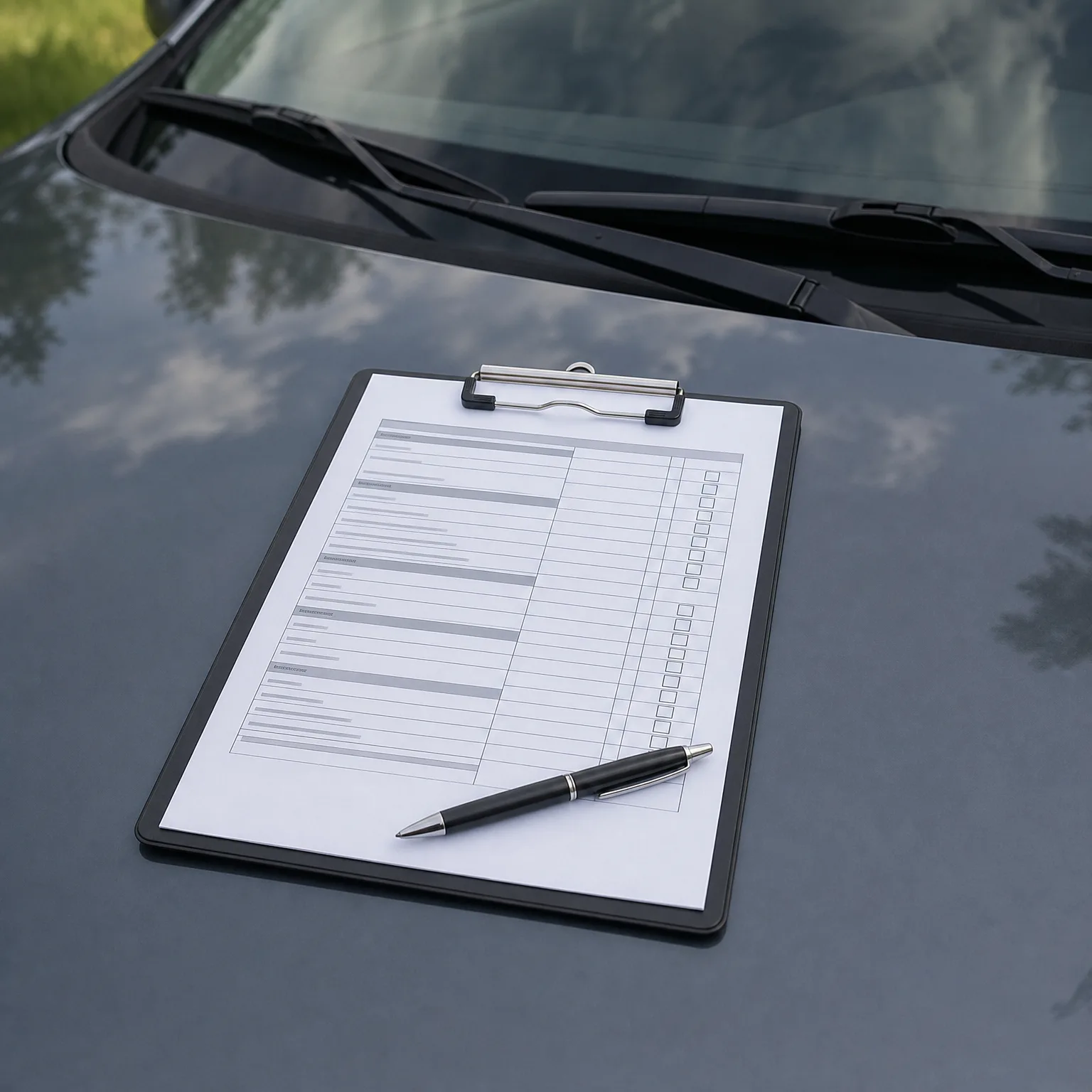
- Two separate limits Your policy has one limit for injuries and another for property damage, and they don't share space. Check both numbers, not just the total, since one can run out while the other still has room.
- It doesn't touch your car Liability pays the other driver, never your own vehicle or your own medical bills. If you want those covered, that's a different coverage, so know what you're actually carrying.
- State minimums are a floor The number your state requires is the least you're allowed to carry, not a safe amount. Compare it to what a real injury or totaled car costs in your area before deciding it's enough.
- Fault decides who pays How fault gets assigned varies by state, and in some states your own insurer pays first regardless of blame. Check how your state handles this, since it changes how liability actually plays out.
- Excess damage is yours If the accident costs more than your limit, you personally owe the difference. Raising your limit is usually the cheapest way to close that gap before it becomes a real bill.
The number on your policy isn't what you're protected against, it's the ceiling on what your insurer will pay.
Now that you know what your limit actually covers, compare quotes to see what raising it would cost.

Should you raise your liability limit above the state minimum
If you do
You pay a bit more, but a serious accident won't leave you personally owing the difference. Your insurer covers more of the cost before any lands on you directly. Most people find the added cost small next to what one bad accident could cost out of pocket.
If you don't
You pay less now, but you're exposed to anything above your limit if you cause a serious accident. A bad injury claim or a multi-car crash can exceed a low limit fast, and whatever's left becomes your personal debt. You're betting that you won't be the one who causes the expensive accident.
Does liability cover my car if someone else hits me?
No, liability coverage only pays for damage you cause to others. If someone else hits you, their liability coverage should pay for your damage, assuming they carry enough and are found at fault. If they don't have enough coverage or any at all, your own policy would need a separate protection built for that situation. Check whether you carry that, since liability alone won't help you in this case.
What happens if the damage I cause is more than my limit?
You become personally responsible for whatever amount goes over your limit. Your insurer pays up to the number on your policy and stops there, and the other party can pursue you directly for the rest. This is the main reason people choose a limit higher than their state's minimum, since a serious crash can easily cost more than a low limit covers. Check what similar accidents typically cost in your area before picking a number.
Do I need liability coverage if I only drive occasionally?
Yes, in almost every state liability is required anytime you're legally driving, regardless of how often. Driving rarely doesn't lower the potential cost of an accident you cause, it only lowers the odds of it happening. Check your state's specific requirement for how coverage applies to infrequent or occasional drivers, since some have separate policy types built for that.