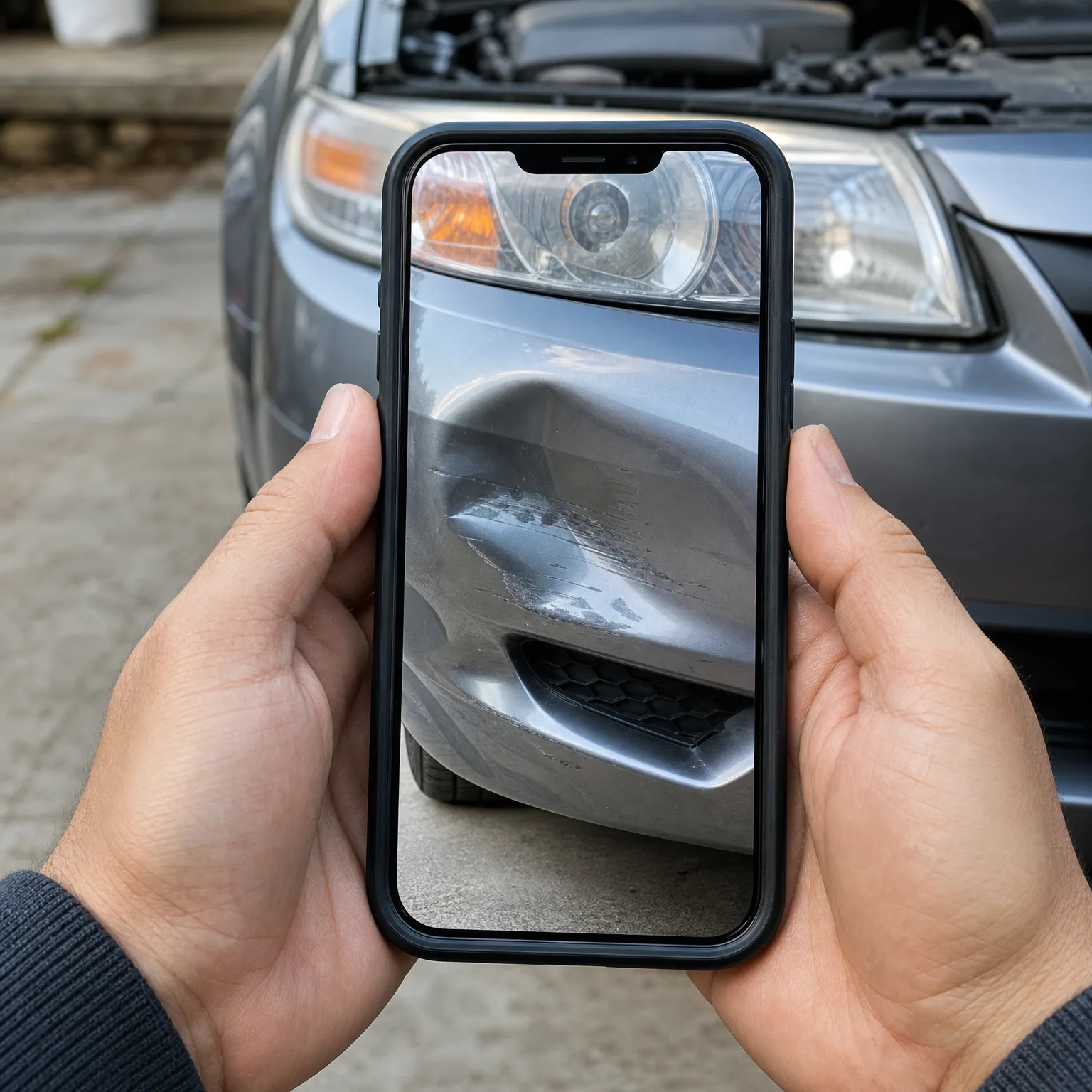
How Do Split Liability Limits Work
Split liability limits are three caps, one per injured person, one per accident, and one for property damage.
Three numbers because injuries and damage are priced separately
Split limits break your liability coverage into three buckets. The first number is the most your insurer pays for one person's injuries in an accident. The second is the most it pays in total for everyone injured in that same accident, no matter how many people that is. The third is the most it pays for damage you cause to someone else's car or property. Insurers write it this way because a single bad accident can involve several hurt people, and they want a separate ceiling on the whole injury payout, not just on each person.
This matters most when more than one person is hurt. If your middle number isn't high enough to cover everyone's medical bills once you add them up, the shortfall is yours to pay, even if each individual claim was under your per-person limit. A policy with a high per-person number but a low combined number can still leave you exposed in a multi-car pileup or a crash with several passengers.
For one couple with one car at fault and one other person hurt, split limits and a single combined limit of similar total size often behave about the same. The difference shows up in less common but more expensive situations, which is exactly when having the right number matters most.
How these three numbers are labeled, and whether your state sets minimums for each one, varies by state and by insurer. Check your declarations page for the exact order and meaning of your numbers before assuming what they cover.

When one driver caused a crash that hurt two people
A newly married couple carried separate policies before the wedding, each with modest split limits from their single days. After combining cars onto one policy, they had to decide what limits to carry for two drivers instead of one. One spouse had a longer commute and drove more often, so they looked at what would happen if that spouse caused an accident with a passenger in the other car, plus a driver in a third car, both hurt.
They raised their per-person and per-accident numbers rather than leaving the old, lower limits in place, because two people hurt meant two claims stacking up against that middle number. They kept the property damage number closer to what it had been, since neither of them drove an expensive car. When they ran the numbers with an agent, the small increase in premium looked worth it next to what a shortfall would have cost them out of pocket. They made the change before combining policies fully, so there was no gap between the old and new coverage.
The number that protects you most isn't per person, it's the combined limit when more than one person is hurt.
Compare quotes now that you know which limit actually needs to be higher for your household.

Raising your combined per-accident limit before you need it
If you do
You pay a bit more each term, but if you cause a crash that hurts more than one person, your policy covers more of the total bill. You avoid a lawsuit or a personal payment gap between what the old limit covered and what the claims added up to.
If you don't
You keep your current premium, but if two or more people are hurt in a crash you cause, your per-accident limit may run out before every claim is paid. You become personally responsible for the rest, and that can mean a lawsuit against you or your spouse directly.
Should we pick split limits or a single combined limit instead?
Either structure can work well, and the right choice depends on what your insurer offers and how the two compare in total dollars available. A single combined limit pools everything, injury and sometimes property damage, into one number you can apply flexibly across a claim. Split limits separate the buckets, which can be clearer but also stricter if one bucket runs out while another has room left.
What matters more than the structure is the total amount of coverage behind it. Compare the combined limit option and the split limit option at similar total dollar amounts, then check how each would respond to a multi-person injury claim. Ask your agent to walk through a two-injury and a three-injury scenario under each structure so you can see where the money would actually go before you decide which one to carry.