How Do Insurance Companies Decide Who Is at Fault
Insurers decide fault by reconstructing events with evidence and state law, not by who you are or who else is on the policy.
Fault comes from evidence, not opinion
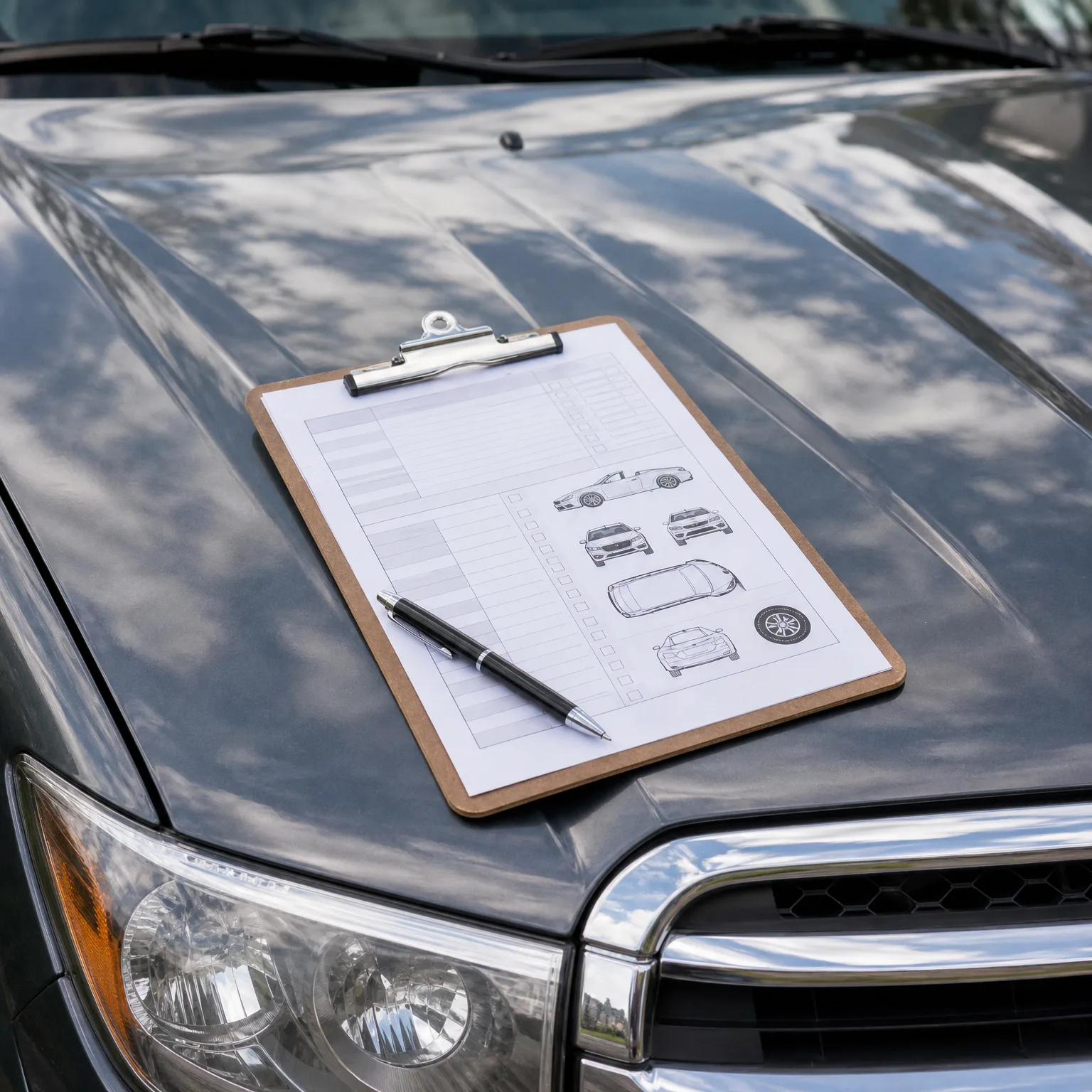
When a claim comes in, the insurer assigns an adjuster to figure out what actually happened. That adjuster looks at the police report, photos of the damage, statements from both drivers and any witnesses, and sometimes traffic camera or dashcam footage. They compare all of that against the traffic laws of the state where the crash happened, since those laws define things like who had the right of way or who was following too closely. The goal is to match the physical facts to a legal standard, not to guess based on character or history.
Most states use a system where fault can be split between both drivers by share, so one person might be found mostly at fault and the other only partly responsible. A few states use a rule where only one driver can be at fault at all. Which system applies depends entirely on where you live, so it's worth checking your state's rule if you want to understand how a specific claim might be scored.
For a married couple with separate policies, this matters because fault determination happens per incident, not per household. Your partner's driving record or past claims don't get factored into how an adjuster reads the evidence from a crash you were in. What can change after marriage is how the insurer prices your combined risk going forward, since some insurers average household risk or let one driver's history influence shared discounts once policies are linked.
The exception worth knowing is that if you combine policies under one account, a future claim involving either of you becomes part of the same claims history that insurer sees. That's a pricing decision, separate from how fault itself gets decided in the moment.
The short version
Fault is decided by adjusters matching evidence, like police reports and damage patterns, to your state's traffic laws, not by anyone's driving history or marital status. Combining policies after marriage doesn't change how a specific crash gets scored. It can change how future claims affect your shared rate, so decide that separately from worrying about fault.

What actually determines fault in a claim
- Police report Officers document the scene and often note contributing factors. This report carries real weight, so request a copy and review it for accuracy before the claim moves forward.
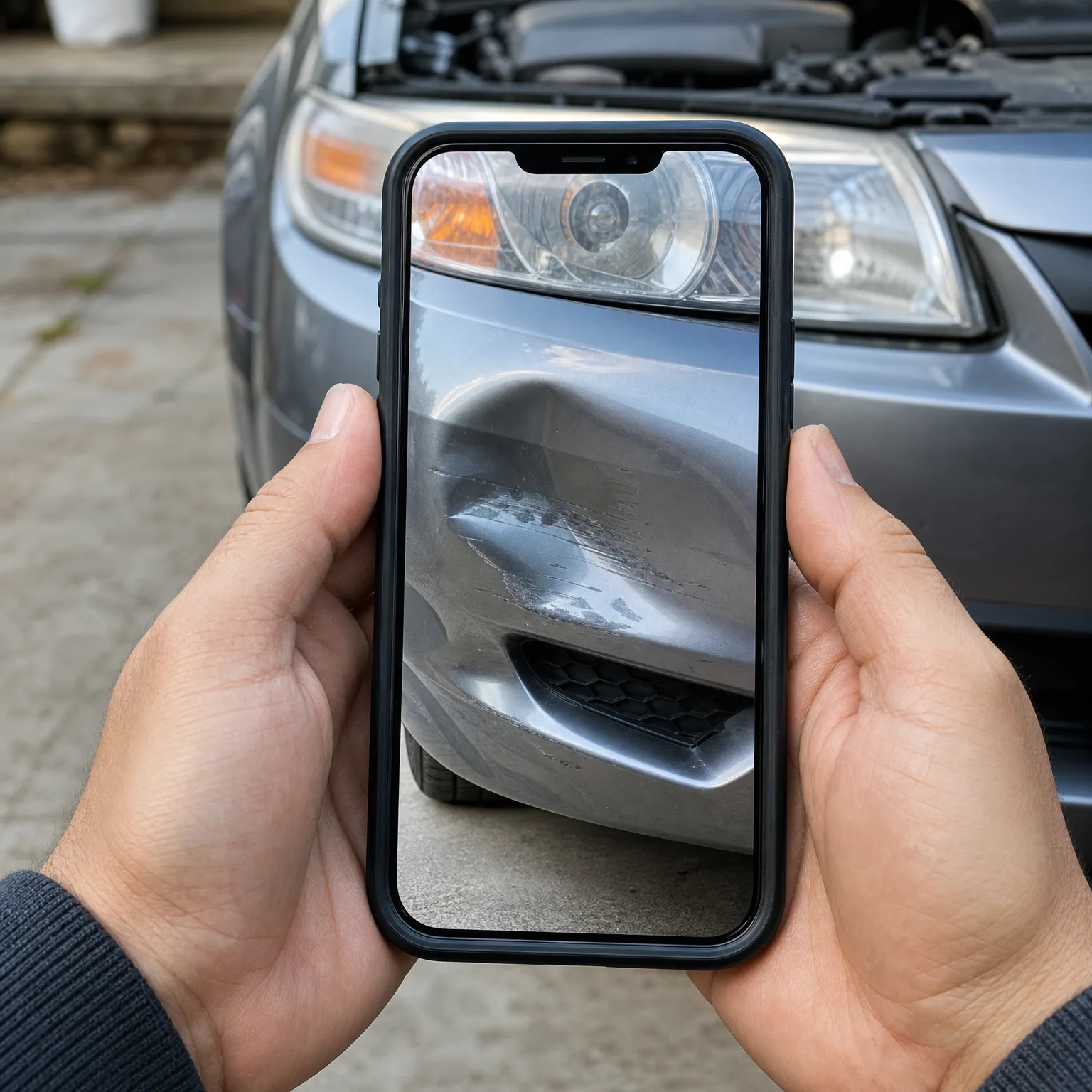
- Physical evidence Damage location, skid marks and debris patterns tell adjusters what happened mechanically. Take photos immediately if you're ever in a crash, since this evidence disappears fast.
- State traffic law Fault depends on which rules applied where the crash happened, like right of way or following distance. Check your state's specific fault system, since it shapes how blame gets split.
- Witness statements Independent accounts can confirm or contradict either driver's version. Get contact information from any witnesses on scene, because insurers may not reach them later.
- Your account matters less alone What you say is recorded but rarely decides fault by itself. Stick to facts when giving your statement and avoid guessing or apologizing, since that can be read as admitting blame.
Now that you know fault is decided per incident, compare quotes knowing exactly what combining policies will change.

Whether to combine policies before your next claim
If you do
If you combine policies now, both of you share one claims history going forward. A future crash, no matter who's at fault, becomes part of the record that insurer uses to price your household. You'll likely get a combined-policy discount, but you're also linking your risk profiles for any claims from this point on.
If you don't
If you keep separate policies, each of your claims histories stays independent. A crash on your partner's policy won't touch your rate at all. You may miss a possible household discount, but you keep full separation if one of you has a record or a ticket you don't want affecting the other's premium.
Does a shared fault split affect both of our rates if we're on one policy?
Yes, once you're on one combined policy, any claim involving either driver becomes part of the shared history the insurer sees. A split fault finding still counts as a claim with some responsibility assigned to each side, and both can factor into future pricing for the household. If you're on separate policies, only the driver involved sees an effect. Check with your insurer about how they weigh partial fault specifically, since some treat a smaller share differently than a majority fault finding.
Can I dispute a fault determination I think is wrong?
Yes, you can request a review or appeal with the insurer, and provide additional evidence like photos, witness statements or an independent accident reconstruction if you have access to one. Start by asking the adjuster exactly what evidence led to their decision, since sometimes a missing piece of information is the reason. If the other driver's insurer made the determination, your own insurer can sometimes advocate on your behalf. Timing matters here, so do this quickly, before evidence or memories fade.
Does the person who called the insurance company first get blamed less?
No, calling first doesn't influence fault at all. Fault comes from evidence and traffic law, not from who reported the incident first. What matters is reporting promptly so the details are fresh and the adjuster can start gathering evidence while it's still available. Waiting too long to report can hurt your case, but it's about evidence quality, not about being first to speak. Check your policy's reporting deadline, since missing it can create separate problems.
Fault comes from one incident's evidence, not your marriage. Decide the policy question on its own terms.