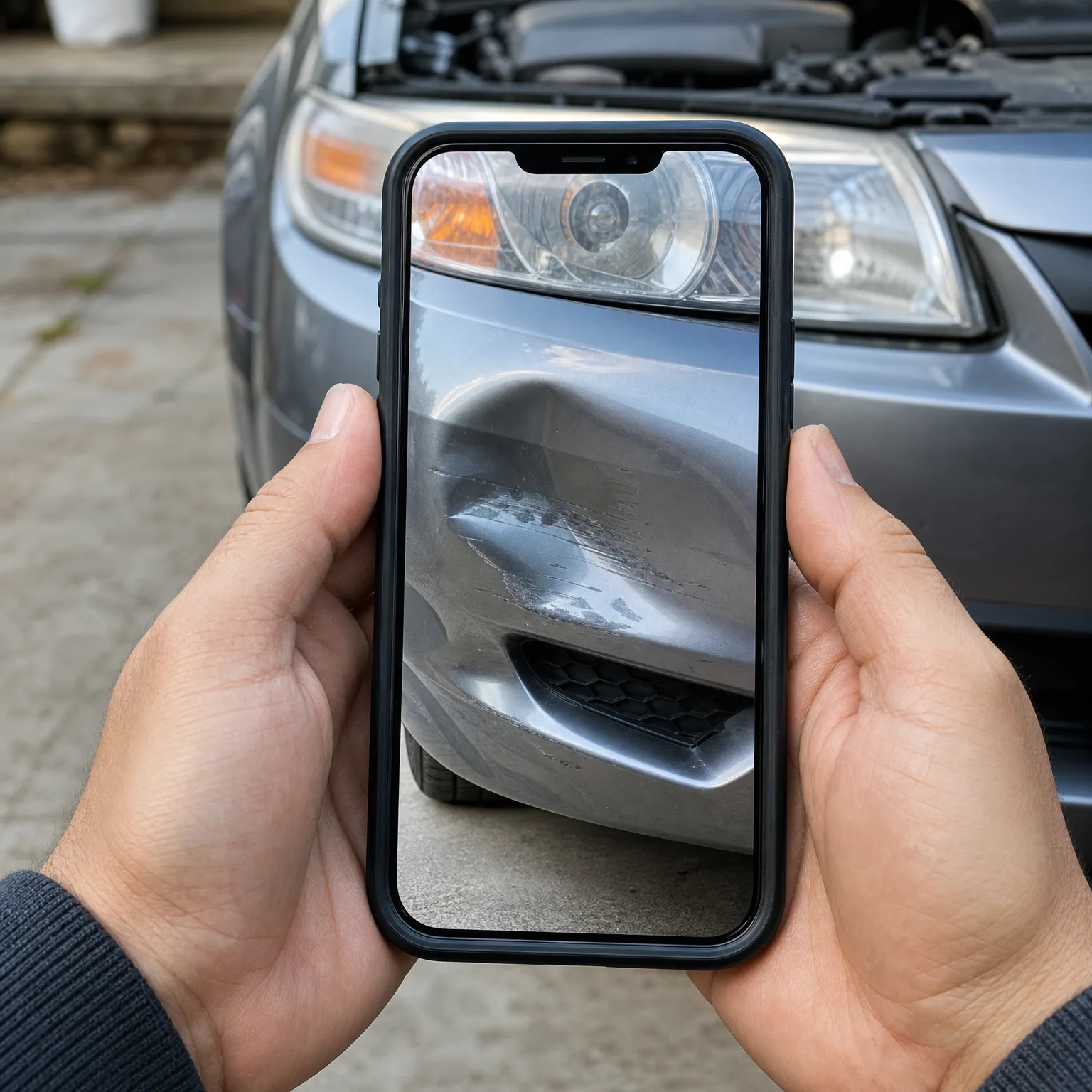
How Do I Update My Car Insurance Details
You update it by contacting your insurer directly about the change, before deciding whether to combine policies with a spouse.
What to update and in what order
- Address first If either of you moved, update addresses before anything else. Insurers price heavily by location, so this changes rates on its own.
- Name changes separately A legal name change needs documentation, usually a marriage certificate, sent to the insurer directly. Do this before trying to combine policies.
- Title and registration Your insurance policy doesn't change who owns the car. If you want to add a spouse to the title, that's a separate step through your state's vehicle agency.
- Report the marriage itself Tell your insurer you're married even if you're not combining policies yet. It can affect your rate on its own, sometimes for the better.
- Decide on combining later Don't rush to merge policies the same week you update your name. Get the easy changes done first, then shop combined quotes once the paperwork settles.
Will updating my details raise my rate before I even combine policies?
It can, but not always, and the direction depends on what changed. Reporting marriage alone sometimes lowers your rate, since insurers often see married drivers as lower risk. Reporting a new address can raise or lower it depending on where you moved. Adding a spouse's name to your policy without merging coverage usually doesn't change price by itself.
What actually moves the number is whether the insurer now sees a new driver, a new address, or a new household risk profile. A name change alone, correcting spelling or updating after marriage, typically doesn't touch your rate at all.
If you're worried about an increase, ask your insurer directly what triggered any change before you assume it was the update itself. Sometimes it's a routine rate adjustment that would have happened anyway, unrelated to what you reported.

Once your details are updated and correct, compare quotes to see what a combined policy would actually cost you.

Updating now versus waiting until you combine policies
If you do
You report the change today. Your insurer corrects your file, your name and address match your license, and any claim you file later goes smoothly. You're also in a clean position to request combined quotes whenever you're ready, with no outdated information complicating the comparison.
If you don't
Your policy still shows your old name or address. A claim could get delayed while the insurer verifies who you are. If you wait and then try to combine policies, you'll be fixing two things at once, which makes it harder to tell what actually changed your rate.
Why insurers need this updated separately from everything else
Insurance pricing is built on specific facts about you, where you live, your name as it appears on your license, who's listed as a driver. When one of those facts changes, the insurer needs the new version on file so your coverage actually matches reality. This isn't optional paperwork. If you're in an accident and your policy still has your maiden name or an old address, the claims process can slow down while the insurer confirms your identity and verifies the details match your documentation.
The reason this is separate from the decision to combine policies is that they solve different problems. Updating your details keeps your existing, separate policies accurate and valid. Combining policies is a pricing decision about whether merging your coverage with your spouse's saves money overall. You can update your name and address today and still keep two completely separate policies for months while you figure out the second question.
This matters more when one partner has a driving record the other doesn't want attached to their rate. Updating your own details never exposes you to a partner's violations or accidents. Only combining onto one shared policy does that, and even then, insurers vary in how much one driver's history affects a shared rate. Some weigh the household average, others weigh the worse record more heavily. Check with the specific insurer before combining, since this varies and isn't something you can assume.
The order protects you either way. Clean, accurate individual policies mean you're never caught with a lapse or a mismatch while you take your time deciding whether merging makes financial sense. Rushing the merge before the basic details are correct just means untangling more things later if you decide to switch insurers or revert to separate policies.
Do I have to change my name on my license before my insurance?
Generally yes, your insurer wants your policy name to match your driver's license. Update your license through your state's motor vehicle agency first, since that's the document insurers typically ask for to confirm the change. Once your license reflects your new name, send that documentation to your insurer. Doing it in this order avoids a mismatch between your license and policy, which can complicate things if you ever file a claim. Check your state's specific process, since the agency and required documents differ by location.
Can I keep my maiden name on my car insurance after marriage?
Yes, nothing requires you to change your name on your insurance policy just because you got married. Your policy name only needs to match whatever name is legally on your driver's license. If you haven't changed your license, there's no reason to change your insurance either. Combining policies with a spouse is a completely separate decision from any name change, and you can merge coverage while keeping your own name throughout.
What happens to my insurance if I add my spouse to the title but not the policy?
Your insurance coverage doesn't automatically change based on who's on the title. The title determines legal ownership of the vehicle, while the policy determines who's covered and whose driving record affects the rate. If your spouse is on the title but not listed as a driver on your policy and they drive the car regularly, tell your insurer directly, since an unlisted regular driver can be a problem if there's ever a claim.