How Do Adjusters Determine Who Is at Fault
Adjusters reconstruct the accident from evidence and state fault rules, then assign a percentage of blame to each driver.
Fault comes from evidence and rules, not opinions
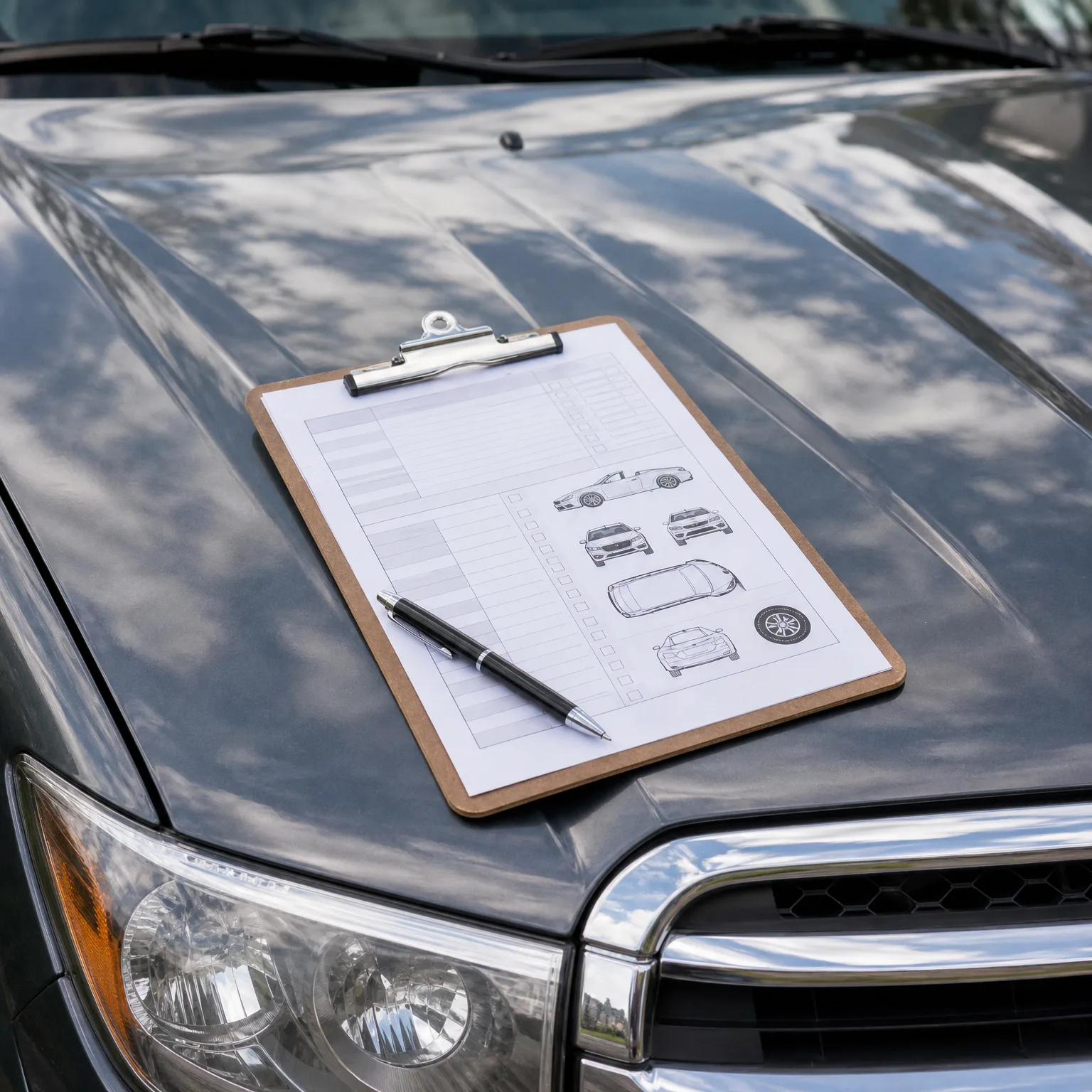
An adjuster's job is to rebuild what happened using facts rather than what either driver says happened. They pull the police report, photos, vehicle damage patterns, witness statements, and sometimes traffic camera or dashcam footage. From that, they apply the traffic laws of the state where the crash happened, because those laws define things like who had the right of way or who was following too closely.
Most states use a comparative negligence system, which means fault doesn't have to be all or nothing. Two drivers can each carry a share of the blame, and your payout or liability shifts with that percentage. A few states still use a stricter rule where any fault on your part can block you from recovering anything, so it matters which system your state follows.
Damage patterns often carry more weight than statements, because metal doesn't lie the way memory does. The angle of impact, the direction cars were pushed, and where the damage sits on each vehicle all tell a story about speed and position. Adjusters are trained to read that story and compare it against what each driver reported happened.
This process plays out differently depending on who's involved. If both drivers have the same insurer, one company handles the whole fault determination internally. If insurers differ, each company's adjuster investigates independently, and they can disagree. When that happens, the companies negotiate, or the dispute moves toward arbitration or even court, which is why documentation from the scene matters so much.

What actually shapes the fault decision
- The police report If officers responded, their report is often the first document adjusters read. It records statements, citations, and the officer's initial read on fault, so request a copy for your records.
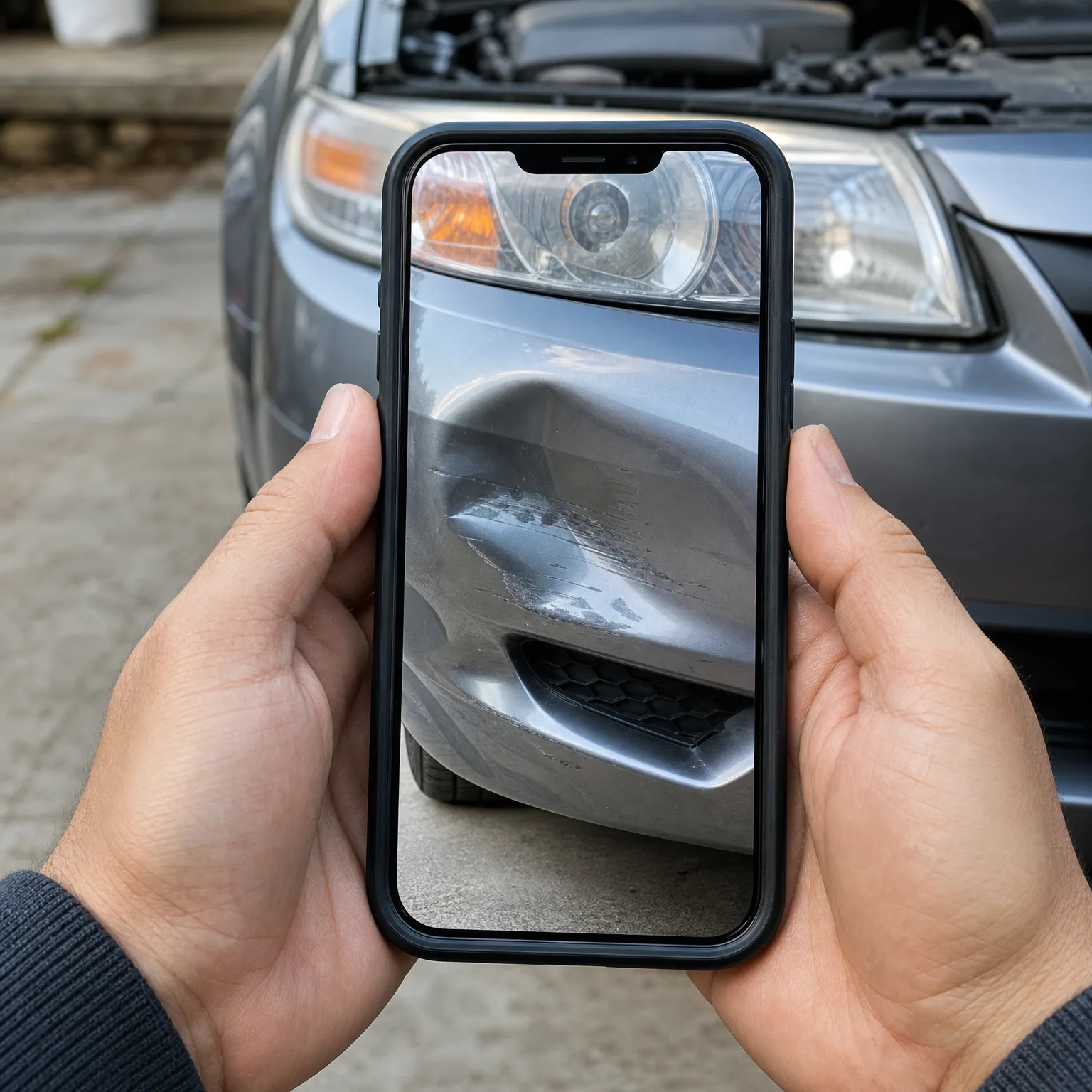
- Photos and scene evidence Pictures of damage, skid marks, and vehicle position are hard to dispute later. Take photos from multiple angles immediately, before vehicles are moved or weather changes anything.
- Witness statements A neutral bystander's account can confirm or contradict either driver's version. Get names and contact information at the scene, because witnesses are hard to track down afterward.
- State traffic laws Right-of-way rules, following distance, and lane change laws vary by state and decide who technically violated the law. Check your state's specific rules if you're unsure who had the right of way.
- Your own recorded statement What you tell the adjuster becomes part of the record and can be used to assign partial fault. Stick to facts, avoid guessing or apologizing, and don't speculate about things you didn't see.
Whether you document the scene before leaving it
If you do
You walk away with photos, witness contacts, and a clear timeline while details are still fresh. If the other driver's story shifts later, or their insurer disputes fault, you have evidence that supports your version and speeds up the claim.
If you don't
You're left relying on memory, the other driver's account, and whatever the police report happened to capture. If fault is contested, you have less to push back with, and the claim can stall or settle in a way that costs you more.
Once you understand how fault gets assigned, compare quotes to see how your record and claim history affect your rate.
What if the other driver lies about what happened?
This is common, and adjusters expect some disagreement between drivers. It's exactly why physical evidence carries more weight than statements. Damage patterns, skid marks, and vehicle positions are harder to fake than a story, and adjusters are trained to notice when a driver's account doesn't match the physical evidence.
If you have photos, witness contacts, or a dashcam, those tip the evidence back in your favor even against a confident false statement. If it comes down to your word against theirs with no other evidence, the adjuster may split fault or lean on whichever account better fits the damage. This is the main reason to document everything at the scene rather than assuming the truth will simply be obvious later.
A rear-end crash that wasn't as simple as it looked
You're stopped at a light when the car behind you taps your bumper. It seems like an obvious case, rear driver at fault, and you assume the claim will be straightforward. But when you file, the other driver claims you reversed into them, and now it's your word against theirs with no police report because you both agreed to skip calling it in.
Luckily you had taken photos right after the crash, showing your car in drive with your foot still on the brake reflected in the dash, and a witness from the sidewalk had given you her number. The adjuster compared the damage pattern, consistent with a rear-end hit, against the other driver's claim and found it didn't match his version. Fault landed fully on the other driver, and your claim moved forward without a fight. Without those photos and that witness, it likely would have been split fault, which would have raised your rates even though you did nothing wrong.
Can I dispute a fault decision I disagree with?
Yes, you can appeal to your insurer with new evidence, and if that fails, escalate to your state's insurance department or pursue it in small claims court. Gather anything you didn't initially submit, like additional photos, a witness statement, or a repair estimate showing damage inconsistent with their version. Check your state's deadline for filing disputes, since waiting too long can close that option.
Does fault percentage affect how much my rate goes up?
Yes, in most cases a higher percentage of fault means a bigger impact on your rate at renewal. Some insurers only raise rates if you're found more than half at fault, while others adjust proportionally to any share of blame. Check your policy or ask your insurer directly how they handle partial fault, since this varies by company.
What happens if the two insurers can't agree on fault?
They typically negotiate between themselves, and if that fails, the dispute goes to arbitration between the companies or sometimes to court. This process can delay your claim significantly, so ask your adjuster for a timeline. In the meantime, your own insurer may pay your claim under your policy and then seek reimbursement later.