How Can I Have Two Cars but Insure One
If both cars are driven, both need coverage; you can't legally insure just one and skip the other.
One Driver, One Car Actually Parked
A newly married couple owned two cars. One partner had a long commute and drove daily. The other had taken a job within walking distance and left their older car parked in the driveway, unused for months. They wondered if they could drop coverage on the parked car and save money by insuring only the car in daily use.
They called their insurer and asked directly. The answer depended on whether the parked car was registered and where it sat. Because it stayed on private property and they were willing to turn in the plates and file the car as not in use with their state, the insurer allowed a lapse in coverage on that one car without penalty. They kept full coverage on the commuter car, stored the second one properly, and revisited the decision each time they considered driving it again. If they had kept it registered and parked on the street, the insurer would have required coverage regardless of use.
The short version
You can only skip insuring a car if it's truly not driven and not registered for road use. If both cars are driven, even occasionally, both need their own policy or need to be listed as occasional drivers. Check with your state's DMV about filing the unused car as off-road before dropping coverage.
What happens if I get caught driving the uninsured car just once?
If you're caught driving a car that isn't insured, even once and even if it's usually parked, you can face fines, a suspended registration, or a suspended license depending on your state. Some states also charge a reinstatement fee or require you to file proof of future insurance for a set period, which can follow you even after you fix the problem.
Insurers find out too. If that car is ever in an accident while uninsured, you're personally on the hook for damages and injuries, which can be far more expensive than a policy would have been. The small savings from skipping coverage rarely make sense once you weigh what a single incident could cost.
Once you know which car actually needs coverage, compare quotes to insure it the right way.
What Decides Whether You Can Skip Insuring a Car
- Is it actually driven If anyone drives the car at all, even rarely, it needs insurance. Be honest about this before deciding to drop coverage.
- Is it still registered A registered car usually must carry at least minimum coverage in most states. Check with your DMV about filing it as off-road or surrendering plates if you want to stop insuring it.
- Where is it parked Street parking often triggers mandatory coverage rules even for unused cars. Private property, like a garage or driveway, gives you more flexibility.
- Can you list it as occasional Some insurers let you keep a car on your policy at a lower rate if it's driven rarely, instead of dropping it completely. Ask your insurer if this option exists before canceling coverage outright.
- What your lender requires If the second car is financed or leased, your lender likely requires continuous full coverage regardless of use. Check your loan agreement before making any changes.
Can I insure just one car if we only have one driver?
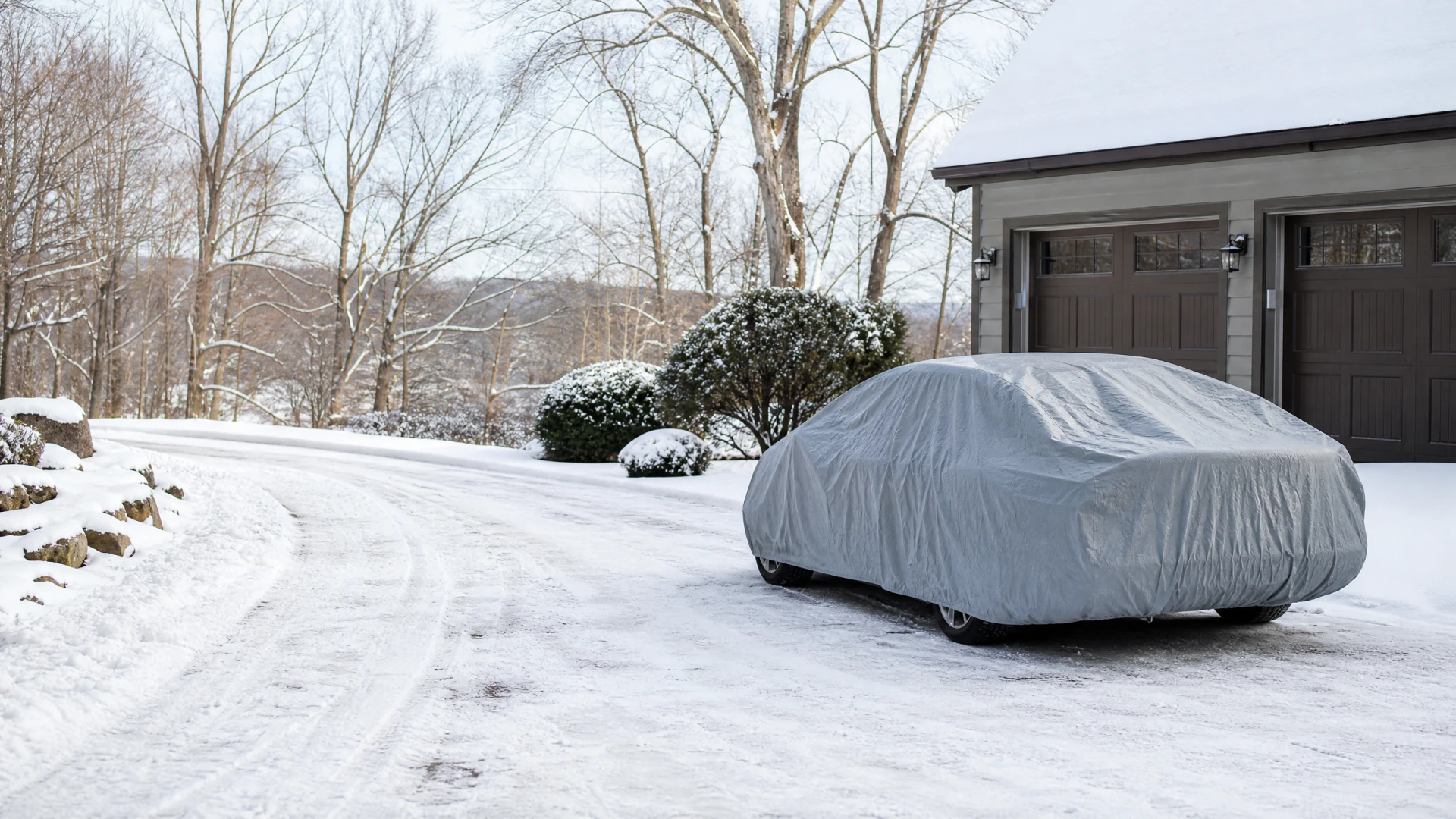
Yes, if the second car is never driven and properly taken off the road. You'll need to check with your state about filing it as non-operational and possibly surrendering its plates, since just leaving it parked with active registration usually isn't enough. If anyone in the household could reasonably drive it, insurers expect it to be covered, so this works best when the car is truly out of use, not just low use.
Does my insurer need to know if a car isn't being driven?
Yes, you should tell them directly rather than just letting coverage lapse. Insurers can flag silent lapses as a red flag and it may affect your rate later or cause confusion if the car is ever in an incident. Calling ahead lets you document the car's status properly and avoid surprises, and some insurers offer a reduced storage-only policy instead of dropping coverage entirely.
Can I switch which car is insured depending on who's driving that week?
Not easily, and most insurers don't support swapping day to day. Coverage is usually tied to the vehicle itself, so the car being driven needs to be the one insured at that time, which means constant switching creates gaps and paperwork delays. If driving responsibilities shift often, it's usually simpler and safer to insure both cars, even at a lower occasional-driver rate, than to try to switch coverage back and forth.