Follow-Up Tasks After a Car Accident
The real work of an accident happens after the tow truck leaves, in the follow-up calls and paperwork that decide your claim.
Why the days after the accident matter as much as the crash itself
An insurer builds your claim out of documents, not memory. The adjuster assigned to your case wasn't there when it happened, so everything they decide comes from what you and the other driver submit afterward. If you let follow-up slide, the file fills in with whatever the other side provides, and that version becomes the default.
Timing also affects your leverage. Repair estimates, medical visits and witness statements all carry more weight close to the event. Wait a few weeks and an insurer can argue that a symptom appeared later for unrelated reasons, or that a repair shop's estimate reflects wear and tear instead of the crash. None of that is personal, it's just how claims get evaluated.
There are cases where the order of steps changes. If you were hurt, medical follow-up comes before anything involving the vehicle, even if that means the claim moves slower. If the other driver was clearly at fault and their insurer is handling it, your own insurer may still want a report on file, since fault determinations get appealed and you want your side documented regardless of who pays.
State rules affect some of this too, including how long you have to file and what your insurer requires if you want coverage for a rental or diminished value. Check your policy and your state's deadlines rather than assuming they match someone else's experience.
The short version
After an accident, document everything, follow up with both insurers until the claim moves, and get medical and repair records locked in early. The biggest risk isn't the crash, it's letting the file go quiet while the other side's version becomes the only one on record. Start follow-up within a day or two.
What to track down after the accident
- Claim number and adjuster Get this from your insurer within a day or two, even if you're not sure who's at fault. Without it, you can't check status or push anything forward.
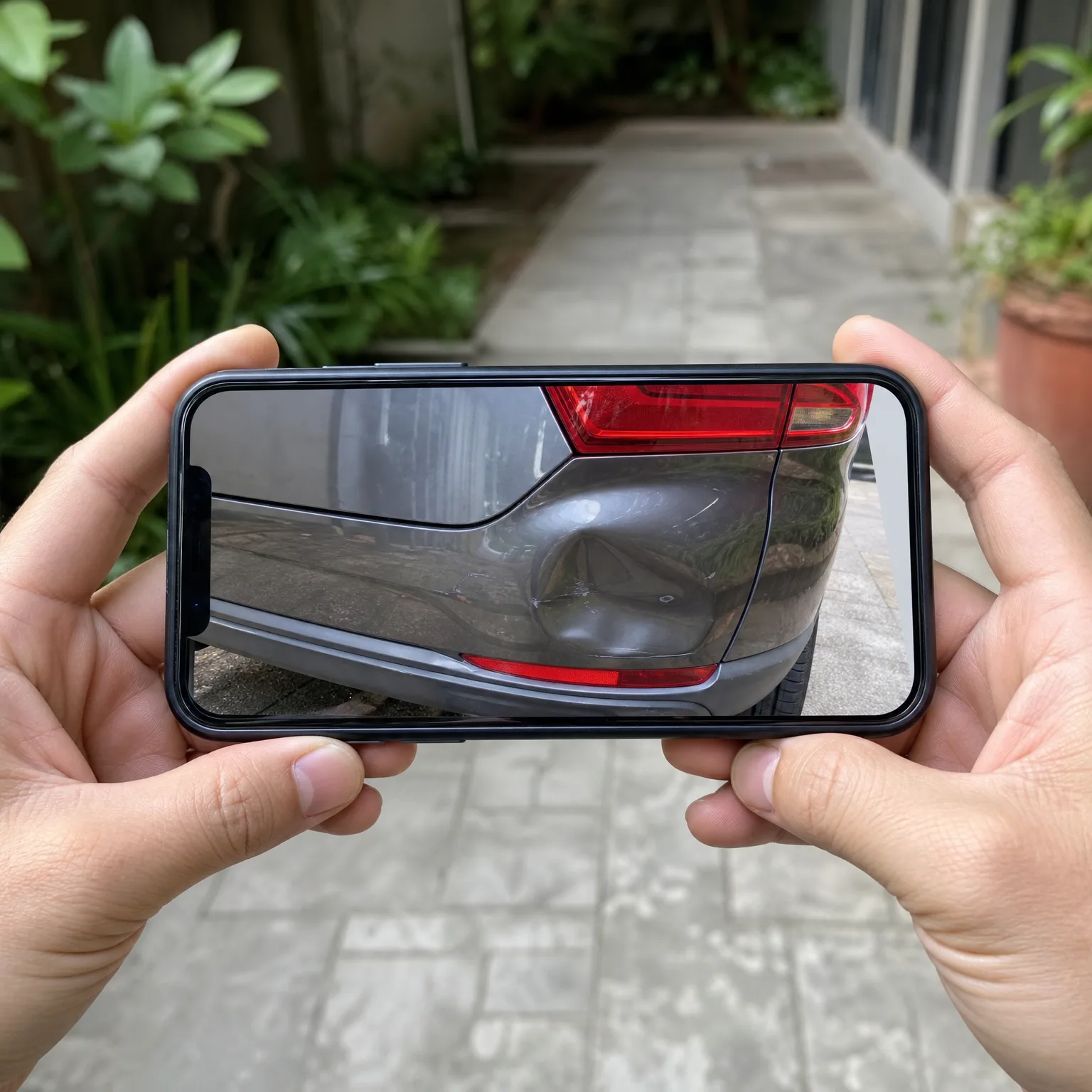
- Other driver's info and photos Confirm you have clear photos, their insurance details and a police report number if one exists. Missing pieces here slow everything down later.
- Medical follow-up See a doctor even if you feel fine, since some injuries show up days later. A gap in medical records lets an insurer question whether the accident caused them.
- Repair estimates in writing Get at least one shop estimate before agreeing to anything the insurer proposes. This gives you a number to compare against and protects you from a lowball offer.
- Rate and coverage check Ask your insurer directly whether this claim will affect your rate and how. Rules vary by insurer and by state, so don't assume it will or won't.
Once you know what to track and follow up on, compare quotes to see how this claim might affect your rate going forward.
Will this accident raise my rate even if it wasn't my fault?
It depends on your insurer and your state, so don't assume either way. Some insurers only raise rates for at-fault accidents, others weigh any claim regardless of fault, and a few states limit how fault can factor into pricing at all.
The clearest way to find out is to ask your insurer directly once the claim is open, since they can tell you how this specific accident is being coded. If you have accident forgiveness or a claims-free history, ask whether that protects you here specifically, because those protections sometimes have conditions attached.
If you're worried about the increase, that's a reasonable moment to compare quotes once the claim is settled, since you'll have real numbers instead of guesses.

How long do I have to file a claim after a car accident?
This depends entirely on your state and your insurer's policy terms, so check both rather than assuming a standard window. Some states set legal deadlines for filing, separate from whatever your insurer requires. Missing either one can limit your options, so call your insurer early even if you're still gathering information, just to get the claim open.
Should I get a second repair estimate before agreeing to the insurer's number?
Yes, a second estimate gives you something to compare against if the first one seems low. Shops vary in what they catch, especially with hidden damage, so one estimate alone isn't always complete. If the two estimates differ significantly, bring both to your adjuster and ask them to explain the gap before you agree to anything.
What happens if the other driver's insurance is slow to respond?
You can usually file through your own insurer and let them pursue reimbursement from the other side later. This keeps your repairs and medical care moving instead of waiting on another company's timeline. Ask your insurer about this option directly, since it depends on your coverage and the process can vary by state.