Does Insurance Cover a Non-Listed Driver
Most policies cover an occasional non-listed driver with your permission, but a regular driver needs to be added by name.

What decides whether coverage applies
- Permission to drive If you handed over the keys and said yes, most insurers treat that as permissive use. Make sure the driver knows your policy's limits before they borrow the car.
- How often they drive Occasional use is usually fine, but regular or routine use often needs to be disclosed. If someone drives your car weekly, call your insurer and ask whether they need to be listed.
- Same household or not Anyone living with you is typically expected to be listed, even if they rarely drive. Check your policy's definition of household member so you're not caught off guard.
- Whose policy pays first When a non-listed driver causes an accident, your policy usually pays first since it's attached to the car. Confirm this with your insurer so you know what you're exposed to.
- Excluded drivers are different If someone was named and excluded, there is no coverage for them at all, even with permission. Never let an excluded driver use the car under any circumstance.
What happens if a non-listed driver crashes my car?
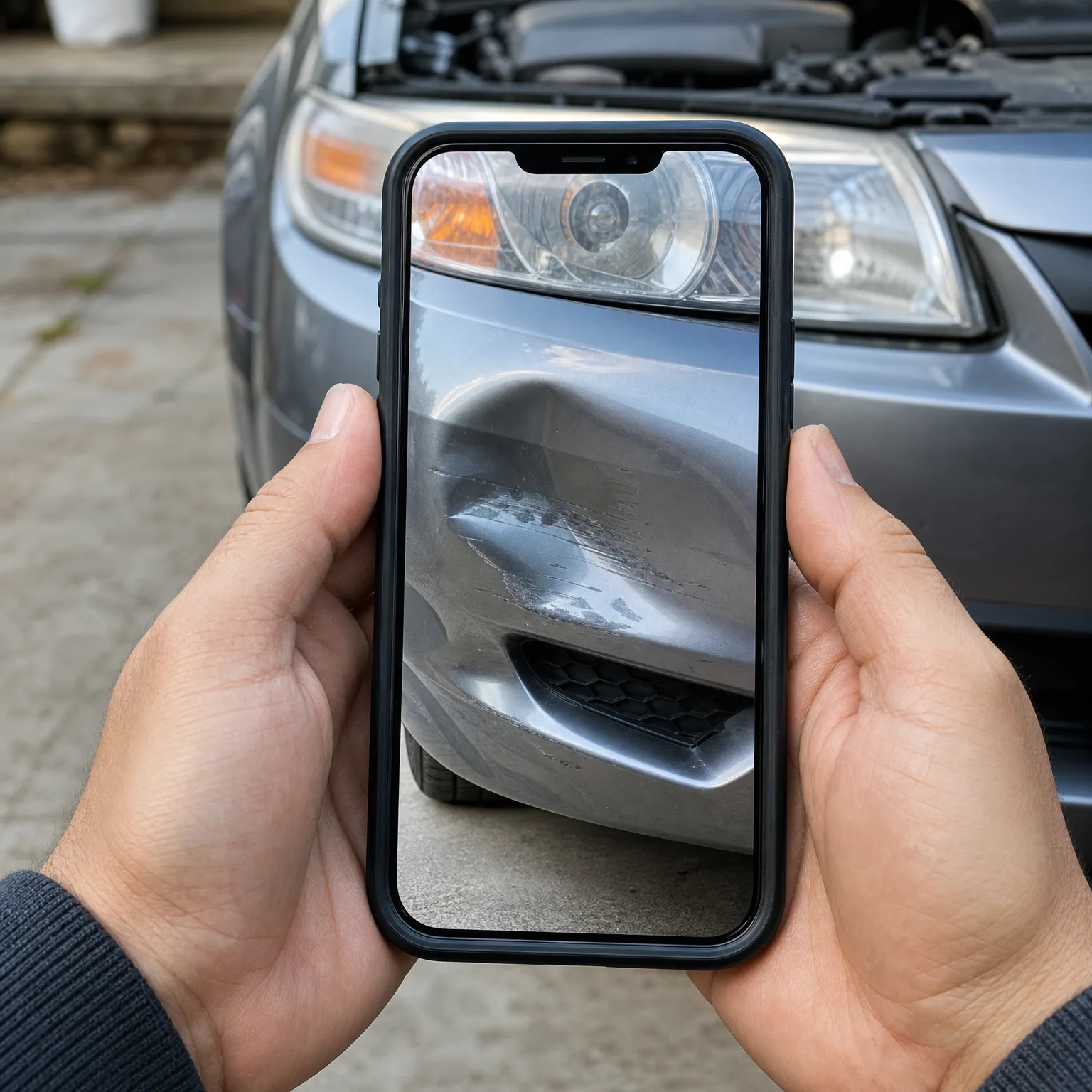
If the driver had your permission and wasn't excluded, your policy typically responds the same way it would if you'd been driving. Your liability coverage pays for damage or injuries to others, and your collision coverage can pay for your car, subject to your deductible.
What changes is the aftermath. The claim goes on your record, not theirs, because the policy is tied to the vehicle. If this happens more than once, or if the insurer learns the person drives your car regularly without being listed, they can question why that driver wasn't disclosed. That can affect your rate at renewal or, in some cases, how the claim is handled. This is why occasional use is treated differently from a pattern, and why calling your insurer before it becomes a pattern is the safer move.
Once you know who needs to be listed, compare quotes to see what adding or adjusting drivers actually costs.

When a friend borrows the car for a weekend
Say a friend is visiting and borrows your car to run errands while they're in town. They're not on your policy, they don't live with you, and this is the only time they'll drive it. You hand over the keys, they drive carefully, and nothing happens. If something had gone wrong, your policy would likely have covered it, because this is exactly the kind of occasional, permitted use insurers expect to happen from time to time.
Now say that same friend moves in with you for a few months and starts using the car to commute to work. That's a different situation, even though it started the same way. The frequency changed and so did their connection to the household, and both of those are things insurers care about. The right move here is to call your insurer once the arrangement becomes regular, explain what's changed, and ask whether the friend needs to be added. Doing it before an accident happens means there's no question later about whether the coverage was ever in doubt.
Coverage depends less on who's listed and more on how often they actually drive your car.
Does my insurance go up if someone else crashes my car?
It can, because the claim is tied to your policy regardless of who was driving. Insurers look at claim frequency on the vehicle, not just who caused it. If this is a one-time event with a permitted driver, many insurers won't treat it differently from an accident you caused yourself. Check your insurer's policy on accident forgiveness or surcharge rules, since that's what actually determines the impact on your rate.
Can I let someone drive my car if they have bad credit or a bad record?
Yes, their record doesn't affect your coverage unless you add them to your policy. Permissive use coverage follows the car and your policy terms, not the driver's personal history. The exception is if that person lives with you or drives regularly, in which case the insurer may expect them listed regardless of their driving record. Ask your insurer directly if you're unsure where the line is for your situation.
Do I need to list my roommate if they never drive my car?
Possibly, since some insurers ask about everyone in the household regardless of whether they drive. The reasoning is that access to the car matters, not just intent to use it. Check how your specific policy defines a household member, because this varies by insurer. If your roommate truly never drives and never will, say so clearly when asked, since that can change what's required.