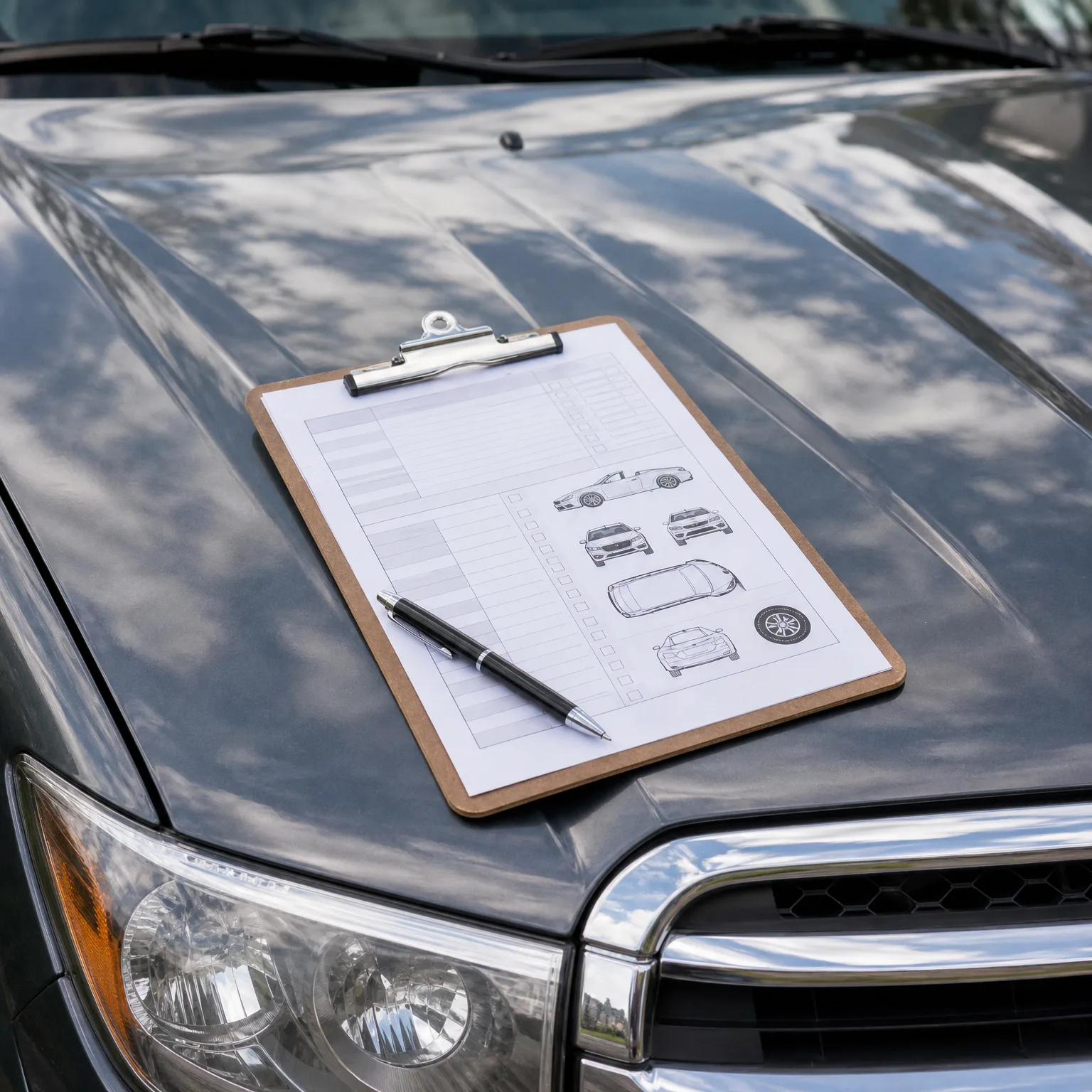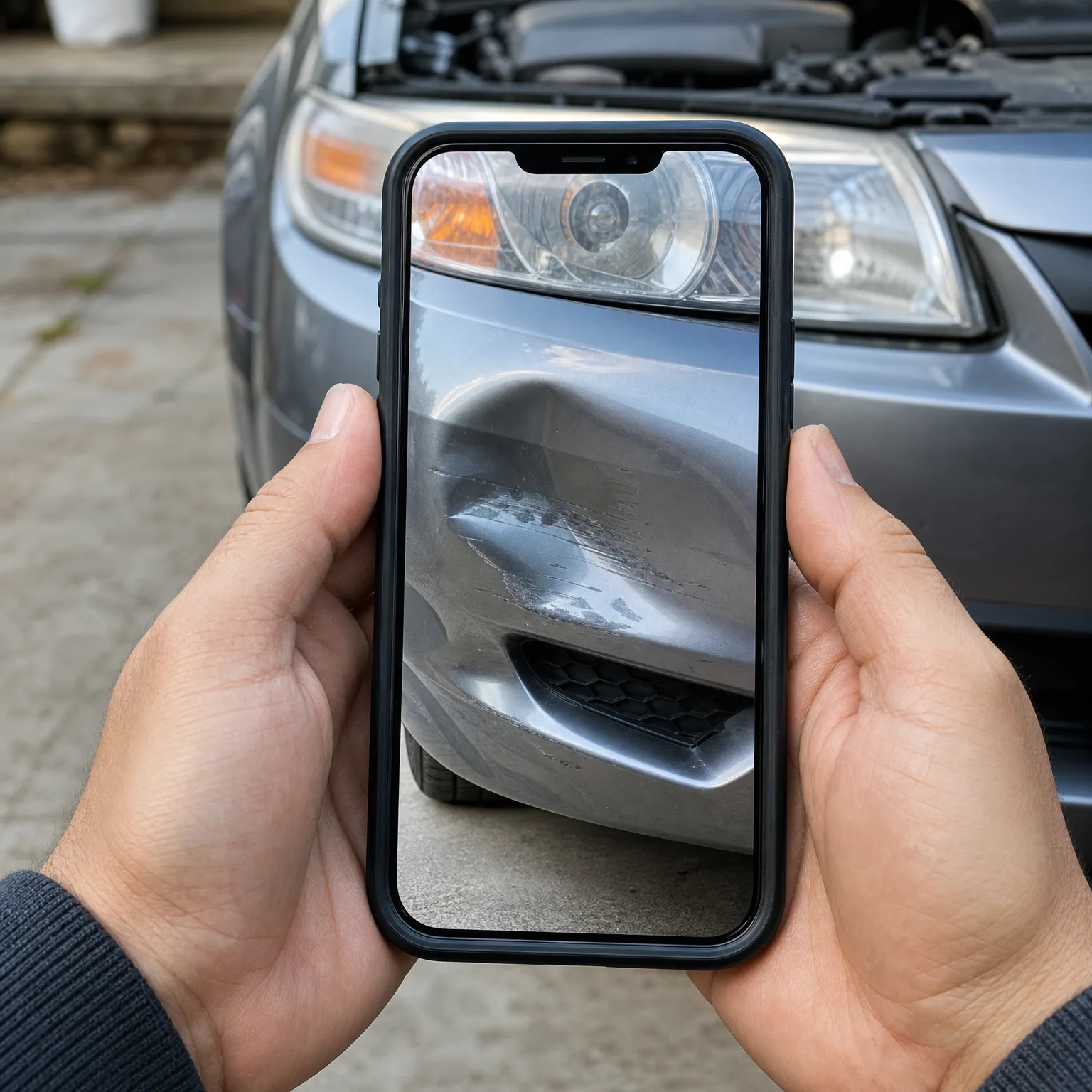
Does Filing a Police Report Stay on Your Record
The report itself becomes a permanent police record, but it only affects your insurance or license if it says you caused the crash.
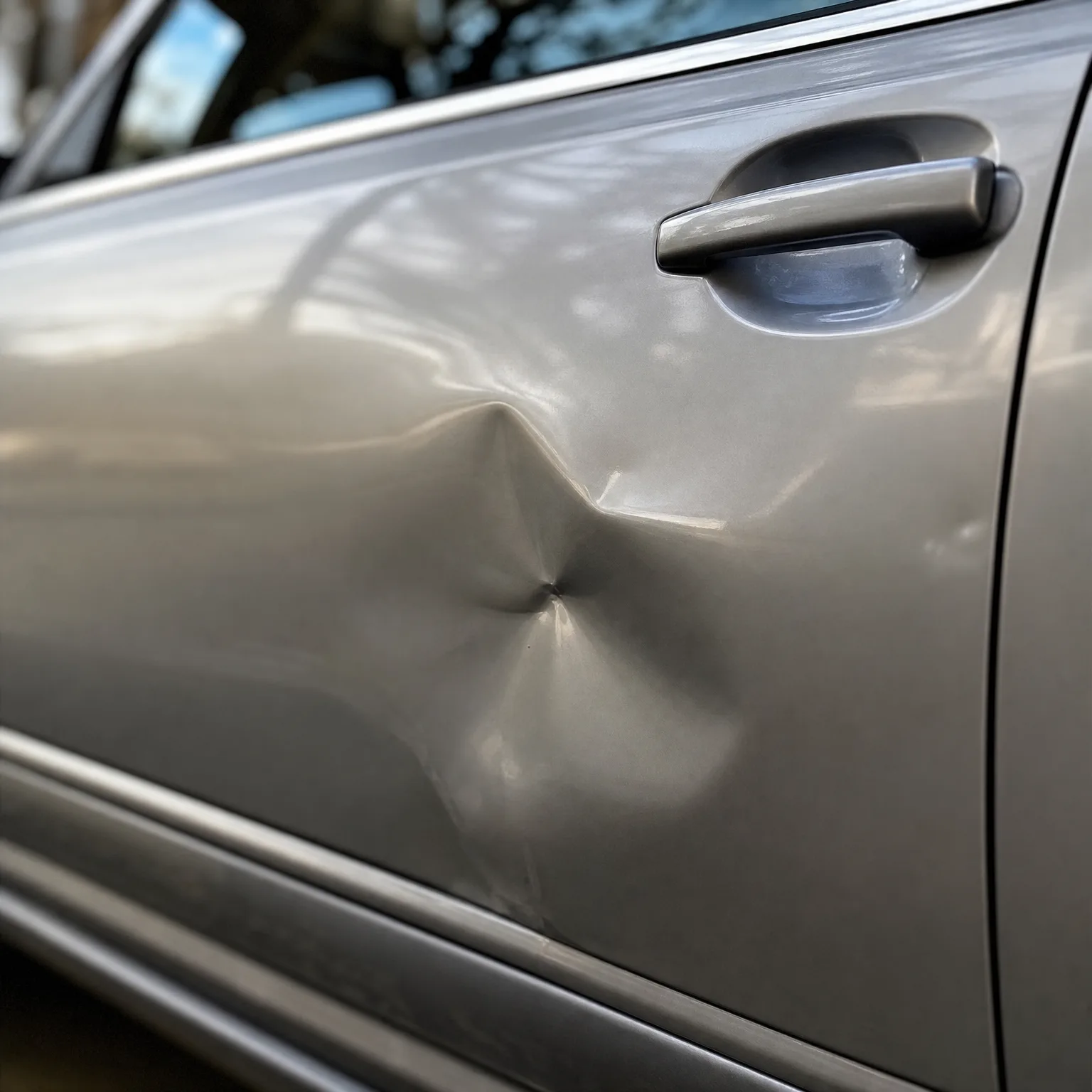
A fender bender with a report but no fault
You were stopped at a light when another driver rear ended you. The responding officer wrote up a report, listed the other driver's insurance information, and noted that the other car struck yours from behind. You filed a claim with your own insurer so you'd have a record and a reference number, even though you weren't at fault.
A few months later you checked your driving record out of curiosity. The accident didn't appear on it because the report named the other driver at fault. Your insurance rate didn't move at renewal either. The only trace of the incident was the claim history on your insurer's file, which showed you as the not at fault party. The police report existed, and anyone could request a copy from the department, but it never became a mark against you because it never said you caused anything.
Will filing a police report raise my insurance rate?
Not by itself. A police report is a record of what happened, not a penalty. Your insurer only raises your rate if the report, combined with your claim, shows you were at fault or cited for something like speeding or running a light.
If the report puts the blame on the other driver, filing it usually works in your favor. It gives your insurer independent documentation to support your side, which can speed up your claim and protect you from being blamed unfairly. The report matters because of what it says, not because it exists.

Once you know what your report actually says about fault, compare quotes to see how it's really affecting your rate.

Should you file a police report after an accident
If you do
You get an official record of what happened, who was involved, and often who the officer believes was at fault. This protects you if the other driver later changes their story. Your insurer can use it to process your claim faster and more accurately, whether or not it favors you.
If you don't
You're left with only your account and the other driver's account, with no neutral record to settle disagreements. If the other driver disputes what happened later, you have less to point to. Your insurer may still accept your claim, but without a report, resolving fault can take longer.

What actually determines whether this follows you
- Who the report blames If the report says you caused the crash or cites you for a violation, that's what affects your insurance and license, not the fact that a report exists.
- Where it's stored Police reports live with the police department, separate from your DMV driving record and separate from your insurance file. Check with your state DMV to see what actually appears there.
- How long it's kept Police departments keep accident reports on file for years, often well beyond when your insurer or DMV stops factoring the incident into your rate or record.
- What your insurer sees Your insurer sees the claim and any citation tied to it, not necessarily the full report. Ask your agent what specifically shows up on your loss history.
- Whether you were cited A citation is a separate legal action from the report itself. You can be in a reported accident with no citation, or cited without ever filing a report.
Why the report and the consequence are two different things
A police report is just documentation. An officer arrives, gathers statements, looks at the scene, and writes down what seems to have happened. That document goes into the police department's files and stays there, often for many years, simply as a record that an incident occurred. It doesn't automatically trigger points on your license or a surcharge on your policy.
What actually follows you is the finding inside the report, or any citation that comes with it. If the officer determines you ran a stop sign or were following too closely, that citation goes to the DMV and typically does affect your driving record. Your insurer also learns about the accident through your claim, and factors in fault when deciding whether your rate changes at renewal. The report is the paper trail. The fault determination and citation are the consequences.
This is why two people can file reports for the same accident and come away with completely different outcomes. The driver found at fault may see their rate increase and points added to their license. The other driver often sees nothing change, because the report cleared them. The existence of a report is neutral. Its contents are not.
There are exceptions worth checking on your own. Some states handle minor accidents differently, and some insurers look at claims history even without fault, especially if you've had multiple claims in a short period. If you're ever unsure what a report means for you specifically, ask the police department for a copy and ask your insurer how they're treating the claim before you assume either way.